1887 Penny Error List with Pictures

A tiny repeated feather can matter more than a large scratch. An unworn 1887 penny with doubled front details sold for $1,380 in June 2025.
This 1887 Indian Head penny error list covers estimated whole-coin values of $5–$6,000. The examples include extra date strokes, incomplete edges, weak lettering, and a second strike that barely caught the coin.
Look at the shape and position of each feature before comparing its price. Different mistakes can leave similar-looking marks.
1. 1887 Indian Head Penny Weak Letters and Missing Date Detail
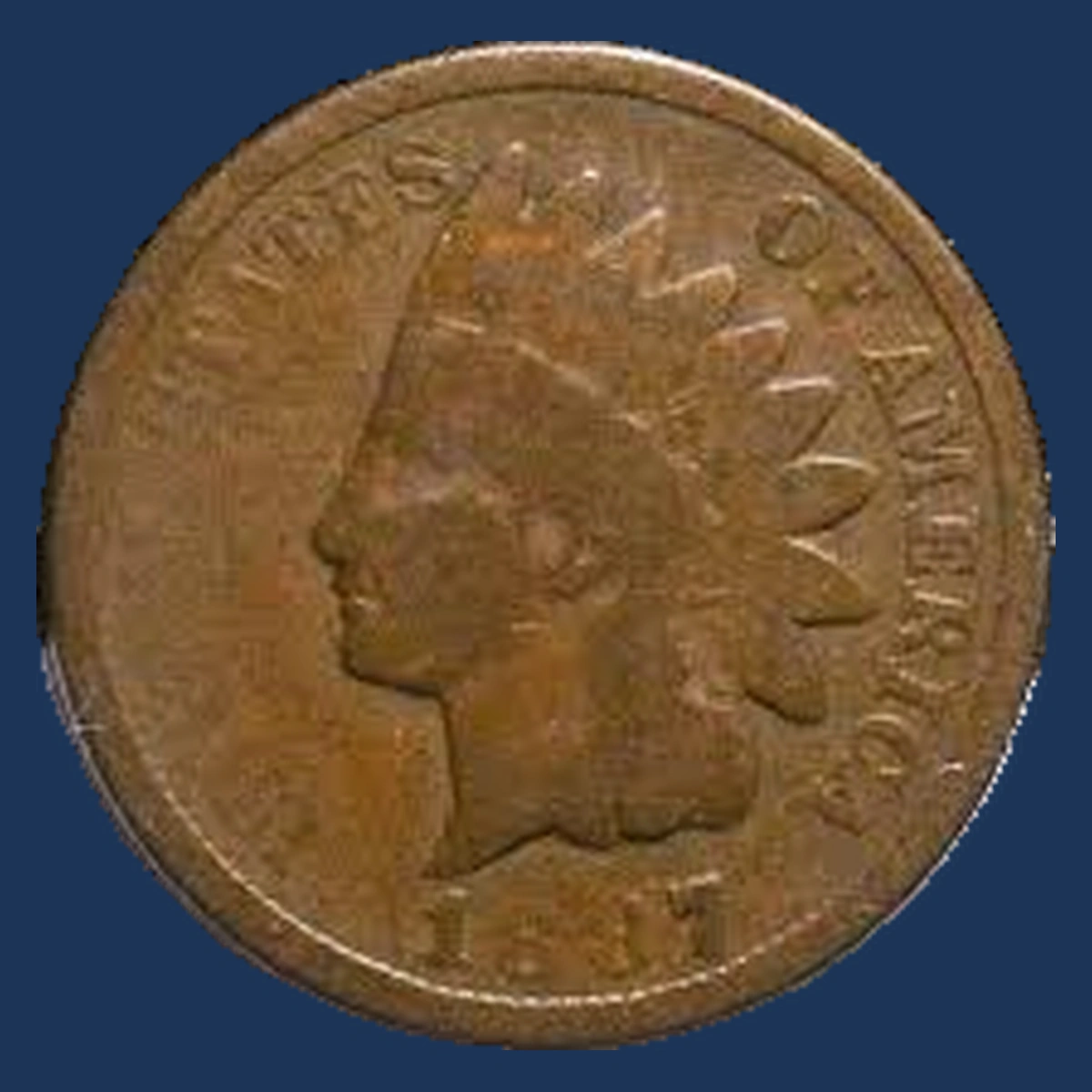
The second 8 can become weak enough that a date is described as 18-7. A 1989 Stack’s catalog recorded an 1887 penny with blocked front lettering and date detail.
The coin had light to moderate wear, described as Extremely Fine to About Uncirculated. The catalog attributed the missing detail to filled stamping tools.
A die is the steel tool that stamps a coin. Grease or other packed material can block its recessed details.
The missing digit does not create a different year. Wear and deliberate removal can also weaken a numeral, but those changes happen after the coin is struck.
Estimated Value
Estimate $5–$250 for recognizable 1887 filled-tool errors on circulated coins. The underlying penny and its condition remain part of that whole-coin range.
The 1989 example appeared in a six-coin lot, so a group price would not establish its individual value. No separate auction amount is assigned to it here.
A broad, clearly mint-made weak area may attract more interest than a faint letter. Smoothing or scraping a finished date places the coin outside this error comparison.
How to Identify
Start with the remaining date strokes and the surrounding lettering under a 10× magnifier. Compare the weak second 8 with nearby details that should have stood at similar heights.
Look for fine grinding lines, a flattened patch, or pushed metal around the missing digit. General wear should also affect exposed parts of the portrait.
For a loose bronze cent, use a scale against 3.11 grams and calipers against 19.05 millimeters. Inspect its plain edge for alteration.
The old description includes weakened lettering as well as the date. Photograph both areas together so the explanation accounts for more than an isolated missing number.
2. 1887 Indian Head Penny Clash Marks among the Feathers
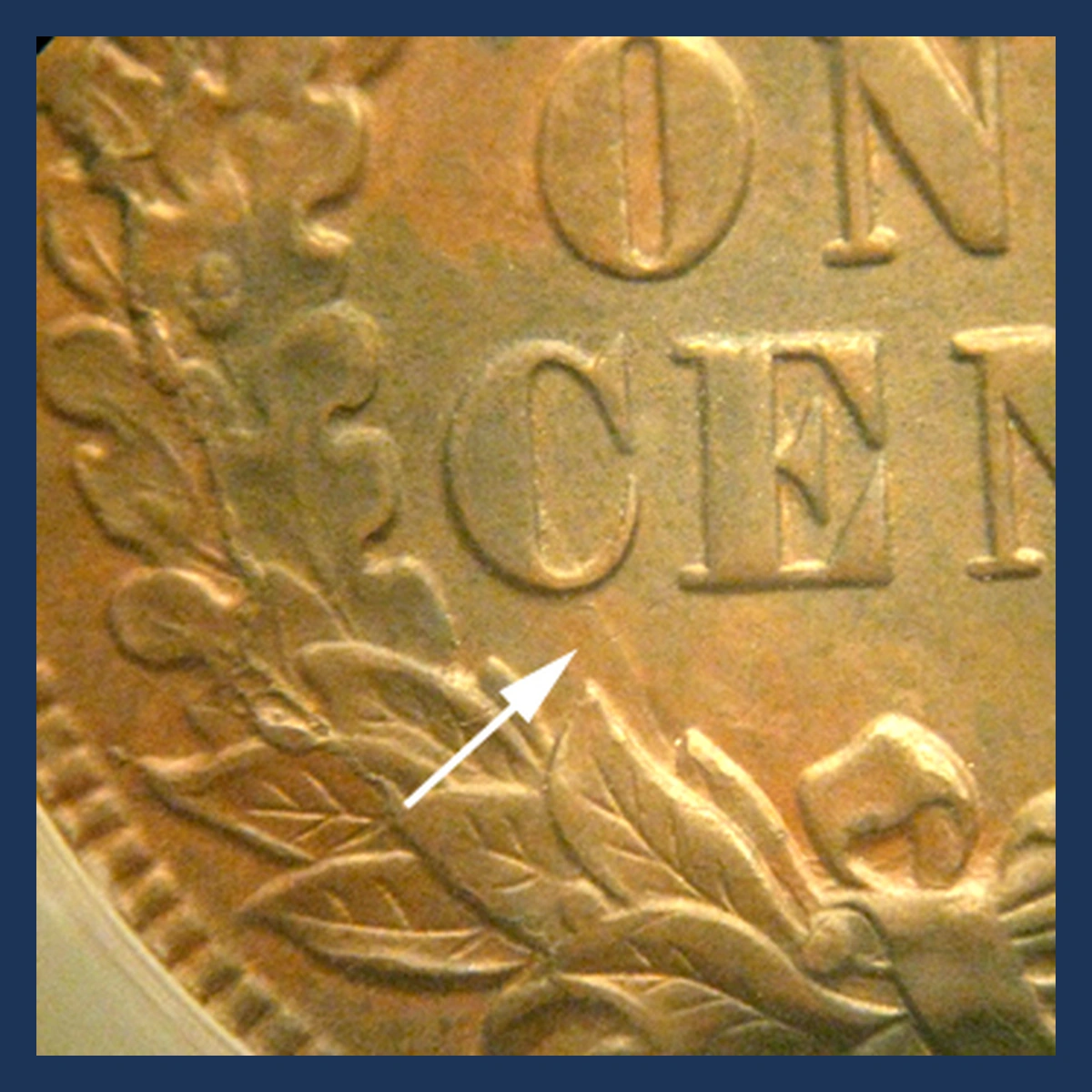
Unexpected outlines can appear in the narrow spaces between the lower feathers. One 1887 tool pair left strong clash marks between feathers seven, eight, and nine.
The front and back stamping tools touched when no blank stood between them. Each could pick up parts of the other design and copy those traces onto later coins.
Collectors call these transferred outlines a die clash. The penny itself did not need another strike.
The outlines should resemble the opposite design. Random scratches through the feathers have a different origin.
Estimated Value
For readable 1887 clash marks, estimate $5–$300 across worn and better-preserved coins. Strong recognizable transferred detail provides a better comparison than an unexplained line.
The variety catalog identifies the feather-area pattern without supplying a sale result used here. A faint clash on a heavily worn cent may add little beyond its normal collector value.
The complete coin still determines the price. Scratches, corrosion, and cleaning can outweigh the appeal of an otherwise visible clash.
How to Identify
Use equally sized front and back photographs to compare a suspected outline with the opposite design. Different magnification can make two unrelated curves seem to fit.
Under a 10× magnifier, examine the spaces between feathers seven through nine. Change the light to separate fine scratches from traces that follow the opposite design.
A small sunken mirror portrait would suggest contact with another coin during striking. A clash instead copies parts of the opposite stamping tool’s design.
For a loose coin, use a scale and calipers to check 3.11 grams and 19.05 millimeters. Inspect its plain edge, then photograph the feather spaces large enough to compare each surviving curve.
3. 1887 Indian Head Penny Thread-Shaped Struck-Through Mark
A narrow impression may record a piece of soft material caught during the strike. Collector Charmy Harker presented an 1887 penny that other collectors thought had encountered a thread from a cleaning cloth.
The proposed thread lay between the coin blank and the stamping tool. Pressure could press its outline into the metal while interrupting the design.
That identifies a possible explanation for the shape, not a laboratory identification of the material. The report does not establish an exact clock position.
A scratch or a separating metal layer can leave a line too. The surface must support the striking explanation.
Estimated Value
For an authenticated thread-shaped strike-through, estimate $40–$600, depending on preservation and how clearly the impressed shape survives. This range assumes the mark formed during striking.
A 1920 cent struck through a metal fragment sold for $134 in March 2025. That different obstruction offers broad context, rather than a sale for the 1887 collector’s piece.
The reported thread remains a proposed material. A later scratch should not receive the estimate simply because it follows a curved path.
How to Identify
Leave any lifting metal alone. A thin flake with an open edge points toward separation inside the copper rather than a thread pressed into it.
Follow a recessed line under a 10× magnifier, using light from the side. Check whether it interrupts the design or cuts across already completed letters.
A later scratch may leave pushed-up metal beside its groove. Compare these details with the collector’s example, whose proposed cloth thread remains an explanation for the shape.
For a loose coin, use a scale to check 3.11 grams and calipers to check 19.05 millimeters. Inspect the plain edge without cleaning; a light thread need not change the coin’s weight or width.
4. 1887 Indian Head Penny Cracks, Chips, and Rim Breaks
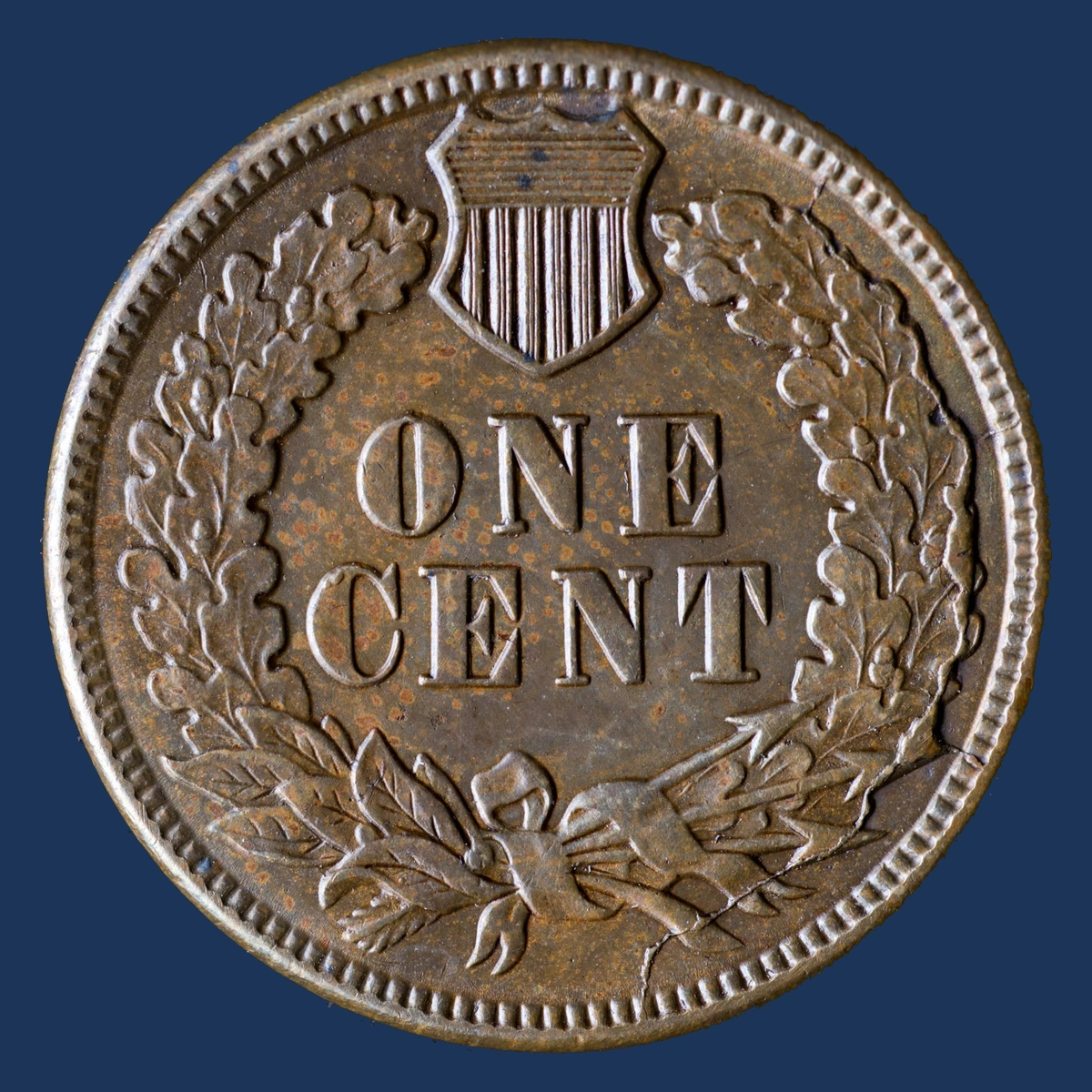
Thin raised lines can join the date or run through lettering and wreath details. Copper entered cracks in the stamping tools, leaving ridges on the finished penny.
If a piece broke away at the tool’s rim, it could leave a larger raised patch called a cud. One back example extends from about two-thirty to four-thirty.
A separate lower-left retained break lies from seven to eight-thirty. The broken steel remained in place, allowing some design to survive inside its boundary.
Other breaks remain inside the wreath or near the arrows. Their locations belong to different coins, not one required pattern.
Estimated Value
Small 1887 cracks can fit an estimated $5–$150, while clear chips, cuds, and retained breaks can range around $30–$1,500. Condition and the visible extent of damage affect the complete price.
An unworn 1866 penny with a back cud sold for $504 in March 2021. That comparison concerns a substantial break on a different date.
A retained area with surviving leaves differs from a smooth patch left by missing steel. Compare the appropriate shape rather than pricing every raised mark alike.
How to Identify
Check the rim connection before calling a raised patch a cud. Under a 10× magnifier, look for a folded edge, attached metal, or a seam that could explain the lump.
The right-side full cud and lower-left retained break need different reference photographs. Examine surviving design inside the retained area rather than expecting a completely featureless patch.
On a loose coin, a scale and calipers check the normal 3.11 grams and 19.05 millimeters. Inspect its plain edge from the side.
Then trace any thin line into nearby lettering or leaves. Tool cracks produce raised ridges, whereas scratches cut into the surface and may leave narrow displaced lips beside them.
5. 1887 Indian Head Penny Repunched Date Strokes
The foot of the first 1 can show a small earlier date stroke below it. Another part of that pattern survives inside the upper loop of the first 8.
The date punch entered the stamping tool more than once at slightly different positions. Coins later copied the surviving earlier strokes together with the final date.
Other 1887 patterns repeat the 7 downward or leave an earlier curve inside the second 8. Each arrangement needs its own matching photograph.
The year remains 1887. The famous 1888/7 is a different coin dated 1888 and does not belong to this year’s list.
Estimated Value
Estimate $15–$2,000 for identified 1887 repunched dates, ranging from worn readable examples to attractive unworn coins. The size and clarity of the earlier strokes affect comparisons.
An 1895 Snow-1 repunched-date penny graded MS64 Brown sold for $264 in November 2022. That unworn same-series coin provides context without setting the price of a different 1887 pattern.
An extra curve needs a correct match. Thick normal numerals or a scratch near the 7 do not qualify for the variety range.
How to Identify
For a loose penny, use a scale and calipers to check the usual 3.11 grams and 19.05 millimeters. Inspect the plain edge and the date for cuts or other signs of alteration.
Next enlarge the whole date, keeping both 8s in view. Mixing up the first and second 8 can send you to the wrong comparison photograph.
The lower stroke on the 7 and the curve inside an 8 belong to different patterns. Under a 10× magnifier, follow the actual surviving curve rather than imagining a complete numeral.
A flat shelf can result from movement during striking. Compare the shape and direction of the raised earlier stroke with the matching 1887 date photograph.
6. 1887 Indian Head Penny Extra Digits in the Border
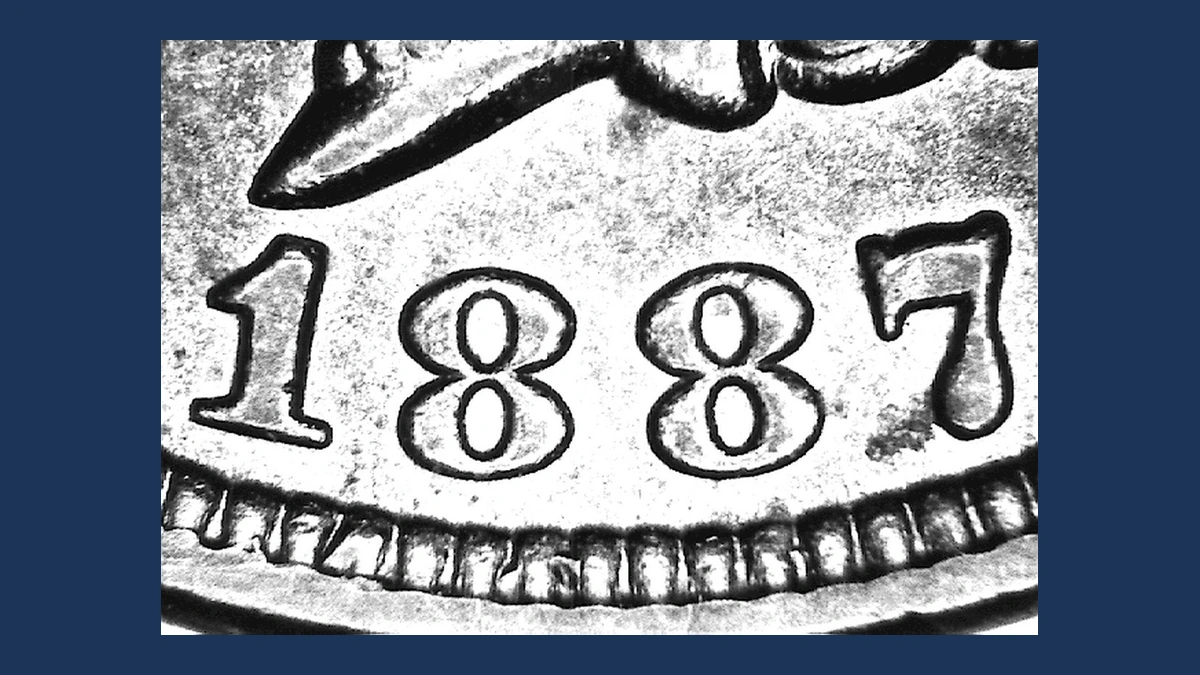
The little teeth beneath the date can contain parts of numerals that should not be there. One 1887 pattern shows the tops of an extra 1 and both 8s in that border.
A separate tool has a misplaced 7 among the teeth. The date punch contacted the steel below its intended position before the correct date was completed.
The surviving fragments then appeared on pennies struck from that tool. Collectors call them misplaced dates.
These low pieces differ from closely repunched numerals beside the final date. Normal border teeth and small tool chips can also resemble short digit strokes.
Estimated Value
Use an estimated $20–$2,500 for matched 1887 misplaced dates across different conditions. A clear original fragment makes a stronger comparison than a rough corner among worn teeth.
An 1878 Snow-2 penny with misplaced 78 fragments brought $1,920 in October 2019 at MS65 Red. Its unworn condition and original copper color were substantial parts of the price.
That is a different date and pattern. The 1887 tops of 188 and the separate misplaced 7 should each be compared with their photographs.
How to Identify
The 1887 variety photographs show two different arrangements below the date. Choose the extra 188 or the separate 7 before comparing tiny details.
With a 10× magnifier, keep ordinary border teeth visible beside the suspected fragment. A numeral top should have its own shape rather than simply continuing the row of teeth.
For a loose coin, use a scale and calipers to check 3.11 grams and 19.05 millimeters. Examine the plain edge for filing or a folded area near the date.
Return to the enlarged border photograph and trace only the visible parts. A lump in the right general area does not establish a misplaced digit unless its outline matches the known fragment.
7. 1887 Indian Head Penny Expanded Outline from a Broadstrike
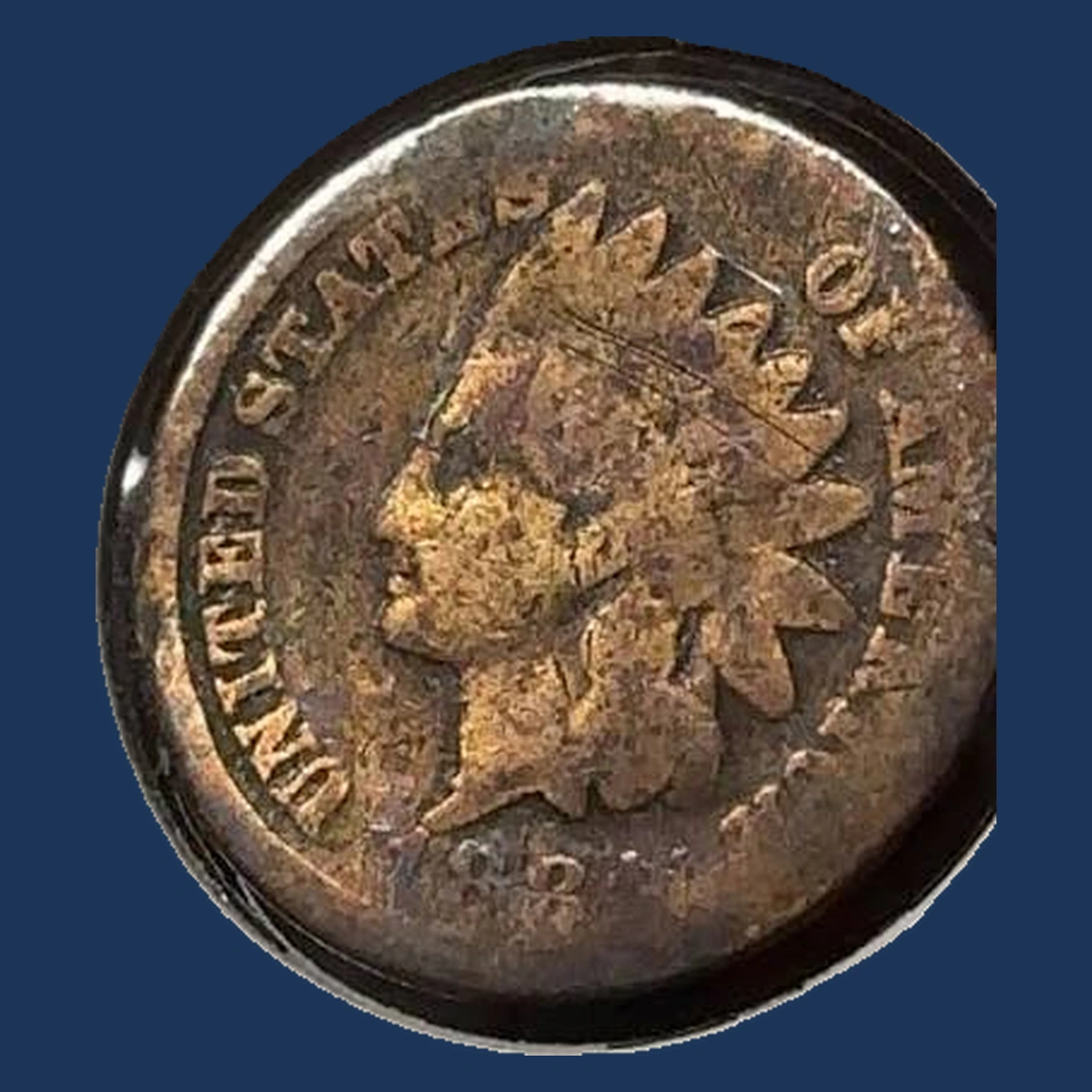
An expanded rim can surround a design that still fits entirely on the coin. The blank spread outward because the surrounding steel ring did not contain it normally during the blow.
That ring is called the collar, and the resulting error is a broadstrike. It does not require a second impression of the design.
PCGS records an eBay listing for an 1887 broadstrike described as NGC VF30 Brown. VF30 means moderate wear with clear main details.
The listing supplies no exact diameter or direction of expansion. An unusually wide rim should be judged alongside both complete faces, not alone.
Estimated Value
The recorded eBay sale brought $26.01 in October 2019. Its title describes a broadstrike, but the archive price alone does not establish the degree of expansion.
Estimate $25–$3,000 for genuine 1887 broadstrikes across worn modest examples and much clearer unworn pieces. Compare the actual expansion and preservation before using the upper range.
A nearby-year 1893 broadstrike with very little wear brought $414.80 in March 2026. Neither result prices a coin flattened after leaving the Mint.
How to Identify
Measure more than one span with calipers and compare the results with the usual 19.05 millimeters. A scale checks whether a loose coin remains near its original 3.11 grams.
Then follow the outside lettering around both faces. A broadstrike should retain the complete intended design, even if it sits unevenly within the expanded outline.
Under a 10× magnifier, examine the central portrait for crushing and the plain edge for tool marks. Squeezing can widen a finished coin while flattening its details.
The reported VF30 coin offers a worn comparison. Its grade or archived sale title cannot replace the physical evidence of original outward metal movement on another penny.
8. 1887 Indian Head Penny Straight Clipped Blank
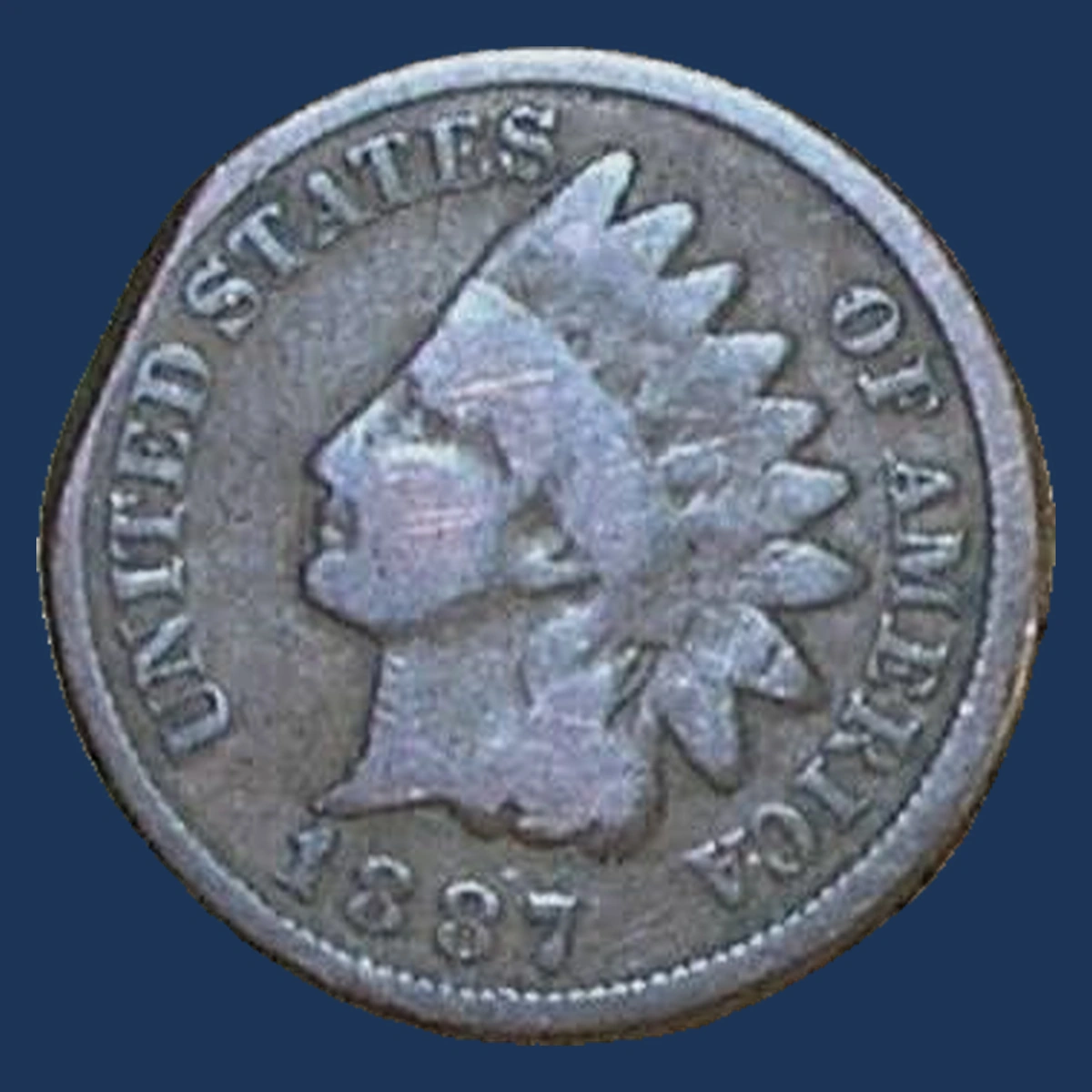
A straight missing section can begin where a round blank was cut across the end of the metal strip. The incomplete disc then received the Indian cent design.
A dealer’s 1984 catalog described an 1887 cent with a large straight clip. It called the coin Brilliant Uncirculated, meaning unworn, without naming a numerical certified grade.
The outline differs from a curved bite made when a punch overlaps an earlier round hole. Both involve metal absent before striking.
The old listing gives no clock position for the straight section. A later saw cut can imitate the same simple outline.
Estimated Value
The old catalog asked $85 for its unworn straight-clip example in 1984. That historical asking price is not a completed auction result or a current quote.
For genuine 1887 straight clips, estimate $40–$3,000, depending on wear, the missing section, and original edge formation. A clear unworn example needs a different comparison from a damaged circulated penny.
The gap should preserve enough design to establish the date. A dramatic cut made after striking does not belong in this range.
How to Identify
Calipers across intact spans should approach the ordinary 19.05-millimeter width. For a loose coin, use a scale to compare its remaining weight with the normal 3.11 grams.
Missing copper can lower the weight, but that happens after a later cut too. The edge must explain when the metal disappeared.
View the straight boundary directly under a 10× magnifier. Saw grooves, filing, or a fresh cut through finished design can reveal later work.
Inspect both ends where the struck rim approaches the missing section, then follow the remaining plain edge. Look for rim and design that formed beside an already incomplete blank, rather than an intact design sliced off afterward.
9. 1887 Indian Head Penny Ten-Percent Off-Center Strike
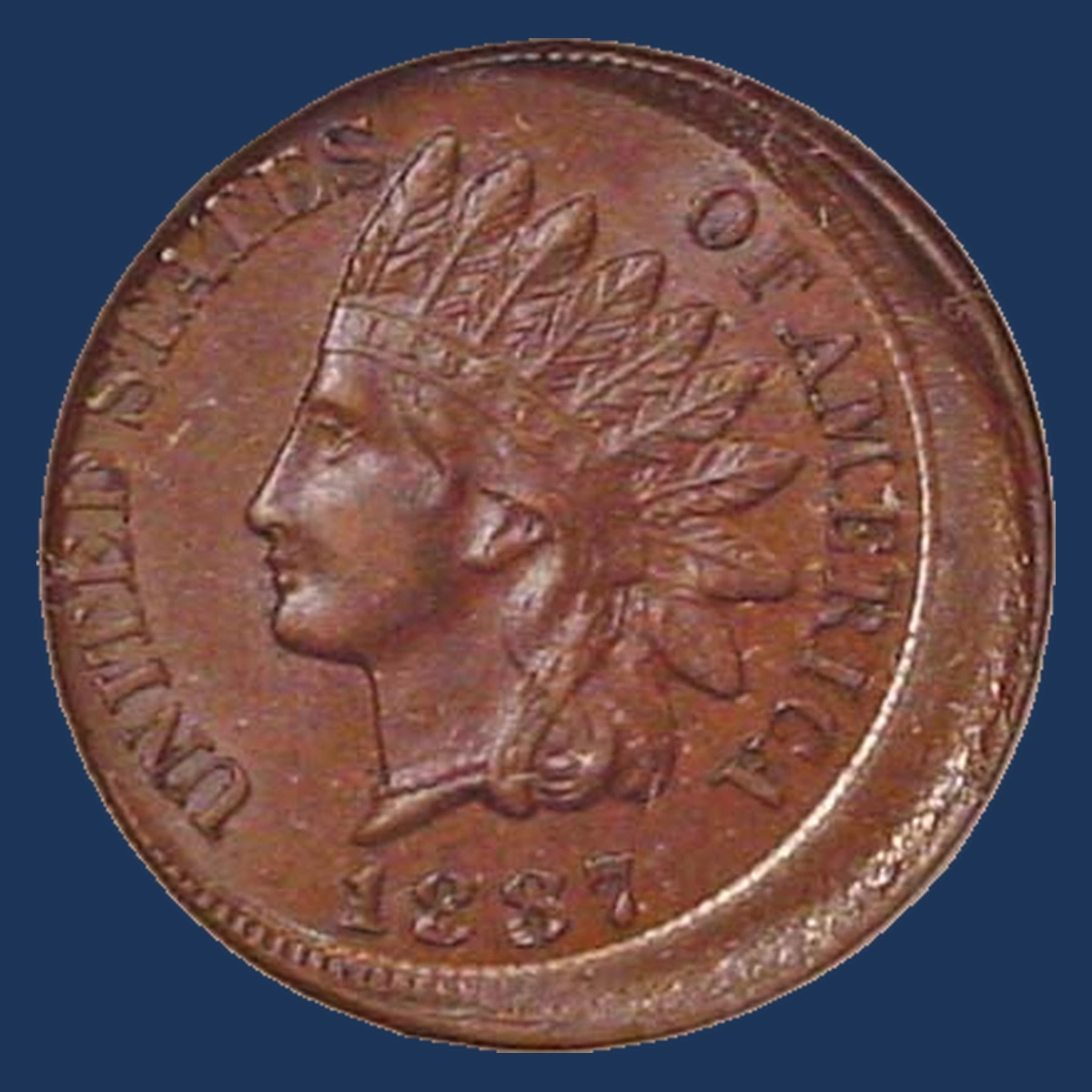
The recorded collection coin carries its design toward nine o’clock, leaving an unused crescent on the opposite side. Its published description identifies a ten-percent off-center strike.
NGC graded it MS62 Brown, meaning unworn with noticeable marks and brown surfaces. That condition is separate from the amount of displacement.
The blank was misplaced when a single blow formed the design. Part of the intended outer detail therefore missed the metal.
This collection also contains a different 1887 penny struck twice toward three o’clock. Its small second impression must not supply the direction or percentage for this single strike.
Estimated Value
Estimate $100–$4,000 for genuine dated 1887 off-center strikes, from worn modest shifts to stronger unworn examples. The collection’s MS62 coin has no auction result assigned here.
An 1895 cent struck 10% off center sold for $231.80 in March 2026 at AU58, meaning very little circulation wear. That nearby-year example offers a useful comparison for a similar amount of displacement.
The remaining date and surface quality matter alongside the percentage. Original unstruck metal is more useful than an artificially enlarged border.
How to Identify
Put the date upright before locating nine o’clock on the full coin. Look for lost design on that side and the original bare crescent opposite it.
Compare the back in a full photograph, then inspect the design boundary under a magnifier. Both faces should fit the same displaced blank.
For a loose coin, use a scale against 3.11 grams and record its outline with calipers beside the normal 19.05-millimeter size.
A single misplaced blow need not remove metal.
Inspect the plain edge and bare area for grinding. If the apparent shift affects only one face while the other remains centered, investigate a misplaced stamping tool rather than assigning an off-center strike.
10. 1887 Indian Head Penny Doubled Lettering and Feathers
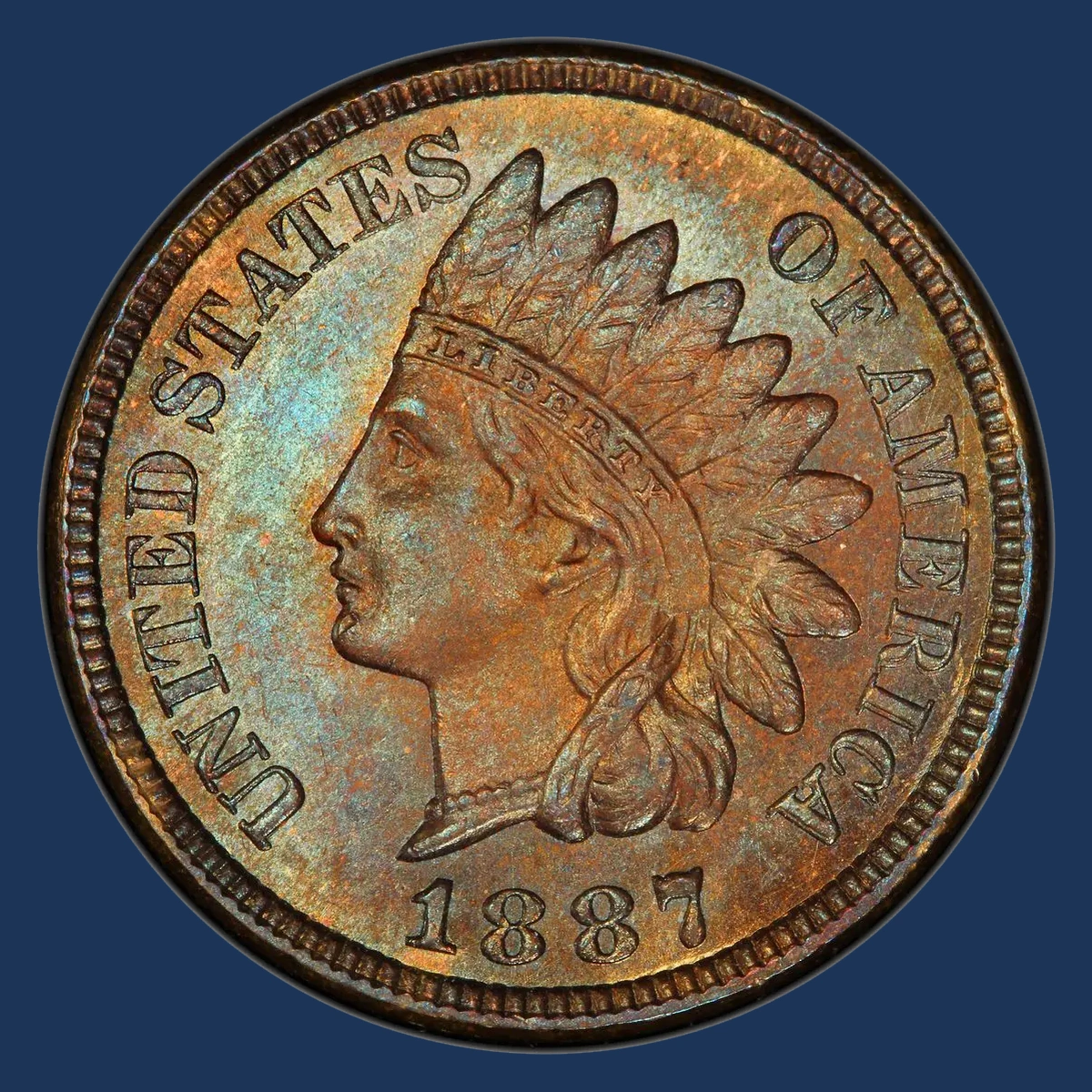
An extra feather edge can be easier to see than a crowded letter. The recorded Snow-1 front has repeated details in feathers three through nine, along with parts of OF AMERICA.
The small designer’s initial and parts of LIBERTY also show the pattern. Seeing repeated outlines in several places helps distinguish this variety from a damaged feather.
The tool received slightly shifted design impressions while being prepared. Each ordinary coin strike could then copy the repeated outlines.
A coin struck twice has a different history. Flat shelf-like edges caused by movement during a single blow can also imitate doubling.
Estimated Value
A PCGS MS63 Brown example sold for $1,380 in June 2025. It had no circulation wear, although marks remained visible on its brown surfaces.
For identified 1887 doubled fronts, estimate $25–$5,000 across worn examples and better-preserved coins. Clear matching detail and surface quality guide the comparison.
The auction result concerns the recognized doubled pattern, not any thick-looking lettering. If a later crack appears on the same tool variety, value the complete coin once rather than adding another full price.
How to Identify
An extra edge on one letter is not enough. Movement during striking can leave a flat shelf that makes the original letter narrower.
Under a 10× magnifier, compare a clear feather with the same feather on a normal 1887 penny. Tilt the light to make sure its extra outline is raised metal rather than a reflected highlight.
For a loose coin, use a scale and calipers to check 3.11 grams and 19.05 millimeters. Inspect the plain edge for alteration.
Now compare OF AMERICA and the small designer’s initial with photographs of the doubled variety. The feather, letters, and initial should repeat the same arrangement shown there, instead of relying on one thick corner.
11. 1887 Indian Head Penny Centered Strike Followed by an Edge Strike
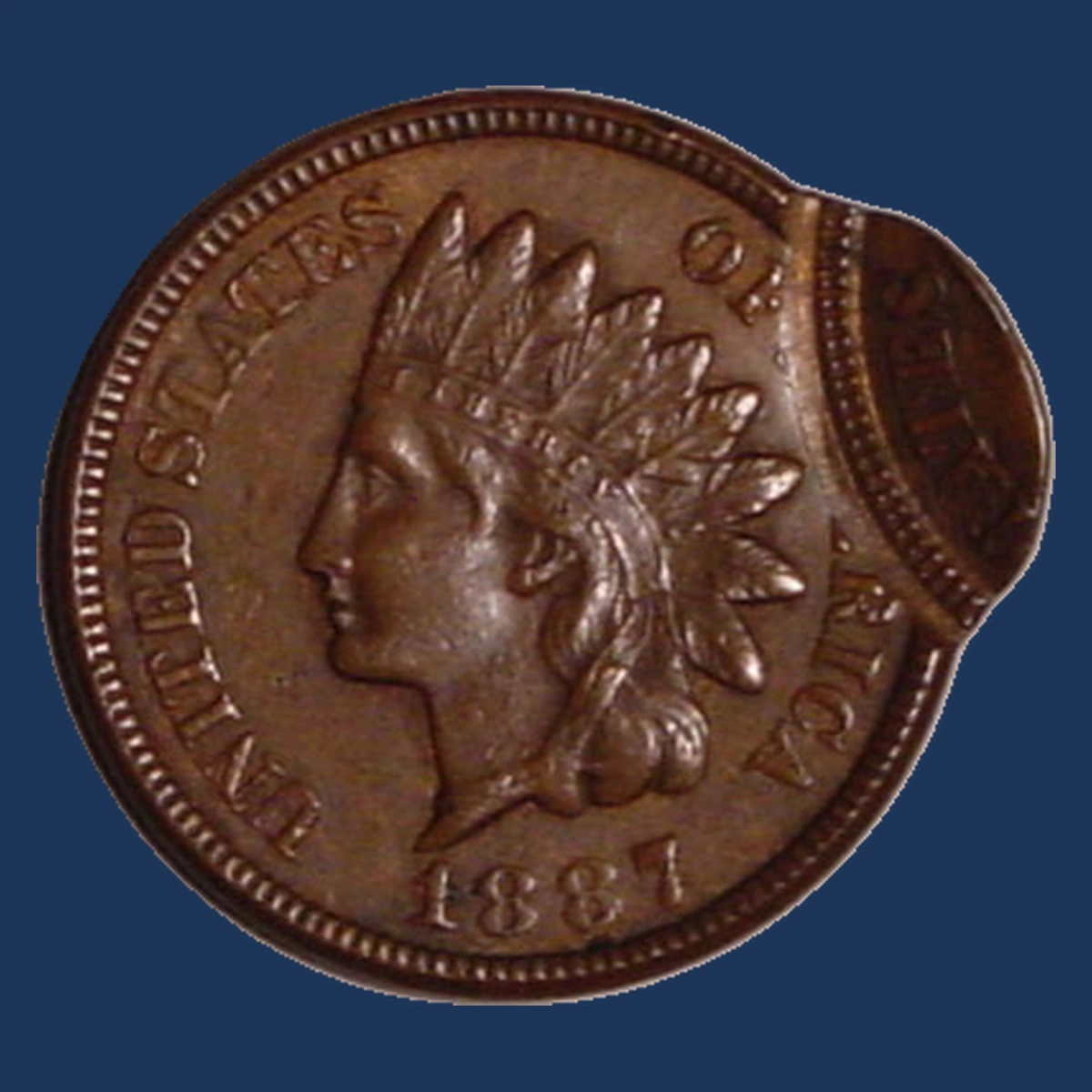
Only a small right-side area received the second blow on this collection coin. Its first strike was centered, while the next was eighty-five percent off center toward three o’clock.
The large percentage describes how far the second blow missed the coin. It does not mean eighty-five percent of the original penny broke away.
NGC graded the example MS62 Brown, identifying unworn brown surfaces with noticeable marks. Its overlapping impressions record the coin moving before it left the press.
The separate ten-percent off-center 1887 coin received a different striking error. Two readable design positions are needed to establish this repeated-strike case.
Estimated Value
For identifiable 1887 double strikes, estimate $300–$6,000, depending on condition and the visibility of both impressions. The collection photograph is not itself an auction result.
An 1899 penny with an 85% off-center second strike sold for $632.50 in July 2007. That lightly worn coin had a one-sided second impression and is a different example.
Do not transfer its extra characteristics to the 1887 piece. Price the complete double strike once, rather than adding the value of two independent off-center coins.
How to Identify
Trace the centered design first, then find recognizable parts of the small second impression at the right. A magnifier should reveal actual letters, border, or portrait detail rather than a simple dent.
At the overlap, check how the later blow flattened the earlier design. Photograph both faces without cropping away the original outline.
For a loose coin, a scale compares 3.11 grams, while calipers record the altered outline against 19.05 millimeters. Inspect the plain edge for a join or later crushing.
The collection description identifies the centered first blow and right-side second one. Keep those two impressions together when comparing the separate single-strike example.
Conclusion
An extra 8 near the date, a faint trace between feathers, and a small second impression at the edge have different causes. Start with the complete coin, then compare the particular detail that explains the error.
Estimated whole-coin values span $5–$6,000. Keep the two collection strikes separate, distinguish an old asking price from a sale, and compare preservation as carefully as the unusual feature.