1900 Penny Error List with Pictures

The most surprising metal in a 1900 Indian Head penny is gold. A certified example struck on a $2.50 gold disc sold for $141,000 at Heritage in April 2015.
Most 1900 penny errors are far more modest: extra date strokes, damaged-tool marks, or displaced designs. Estimated values below span $5–$180,000, with precious-metal rarities accounting for the extreme upper end.
Continue through the examples to see which physical clues matter before a price enters the picture.
1. 1900 Indian Head Penny Die Clash (Estimated Up to $300)
A faint extra outline near the eye can come from the design on the other side of the coin. It forms after the two stamping tools collide with no metal disc between them.
The tools, called dies, can mark each other during that collision. Their unwanted impressions then appear on coins struck afterward.
One 1900 variety shows marks before the eye and beside the C in CENT. Another develops traces near the feathers and around ONE and CENT.
These coins also have repunched dates. The date strokes and clash outlines came from different events.
Estimated Value
An estimated $5–$300 covers worn through attractive examples with visible clash traces. The condition of the penny and its accompanying date variety contribute to that whole-coin figure.
Faint traces may add very little. Clear outlines that a collector can recognize without guessing are more appealing.
This range estimates minor Indian cent clashes; it is not a separate transaction price for each 1900 tool. A random scratch near the eye should not receive the same treatment.
How to Identify
Find the normal portrait’s eye, then examine the open area in front of it with a 10× magnifier. A curved transferred outline is more useful than an isolated straight scratch.
The usual coin weighs 3.11 g and measures 19.05 mm, with a plain edge. Check these with a scale and calipers if the coin shows signs of pressing or reshaping.
A clash can develop after a tool has already made many coins, so choose a photograph from the matching stage. For the variety with marks before the eye, turn to the back and check beside the C in CENT for its companion trace.
2. 1900 Indian Head Penny Die Marks at the Chin and Nose (Estimated Up to $500)
A thin raised spur extends from the chin on the variety called Snow 20. A gouge in the stamping tool produced the extra copper line on finished coins.
This spur begins at the chin itself. It differs from the separate rim break below the chin on Snow 14.
Another variety, Snow 28, develops a raised mark at the bridge of the nose on later coins. Its earlier examples lack that feature.
Both can help identify particular tools, but neither should automatically be read as a misplaced date digit. Their positions and development matter.
Estimated Value
For these recognizable tool marks, allow an estimated $10–$500 across worn and attractive unworn coins. The clear chin spur generally offers an easier feature to show than a faint nose mark.
This is a whole-coin estimate that also allows for the associated date varieties. It is not a separate auction result for either mark.
A seller’s use of “spiked chin” is insufficient by itself. Check whether the feature actually begins at the chin or at the rim.
How to Identify
Locate the feature’s starting point before using its nickname. A spur connected to the chin and a lump rising from the rim below it are different marks.
Under a 10× magnifier, follow the Snow 20 spur outward from the chin. For Snow 28, compare early and late photographs because the nose mark developed later.
Check 3.11 g and 19.05 mm with a scale and calipers, then inspect the plain edge for squeezed metal. A matching weight cannot show whether a small raised line was added.
Light the feature from the side to see its attachment. At the chin, look for an uninterrupted raised line continuing from the portrait into the surrounding open surface.
3. 1900 Indian Head Penny Die Cracks and Rim Breaks (Estimated Up to $750)
A raised triangle near the rim below the chin is one of this year’s more distinctive tool failures. It becomes more pronounced as the damaged stamping tool continues to wear.
The variety is Snow 14 and also shows extra date strokes below the 1 and 9. Its rim feature is separate from the chin spur on Snow 20.
Another 1900 variety has rim breaks around 8:30 to 9:30 and fine cracks on the back. Copper entering cracks or missing areas in the tool creates these raised shapes on the coin.
Estimated Value
Small cracks fit an estimated $5–$75, while clear rim-break examples can reach an estimated $75–$750. Condition and the associated date variety remain part of the total.
The developed triangle gives collectors a more obvious feature than a fine line alone. It should not be priced as though every earlier, weaker stage looks equally dramatic.
These are estimates for the complete coins, not recorded sales of the two specific 1900 tool states.
How to Identify
Place a normal 1900 cent beside the coin to compare rim height and shape. A 10× magnifier should show the suspected break rising from the original struck surface.
Use a scale and calipers for the ordinary 3.11 g and 19.05 mm. An impact that pushed the plain edge inward can also produce a raised lump, so examine the edge beside it.
For Snow 14, keep the chin and lower rim in the same view. The triangular feature belongs to the rim; a line beginning directly at the chin points to a different variety.
To support Snow 14, inspect beneath the bases of the 1 and 9 for the accompanying earlier date strokes.
4. 1900 Indian Head Penny Retained Lamination (Estimated Up to $750)
A small layer of metal lifts near the right corner of the back shield on the documented coin. The layer remains attached, so collectors describe it as retained lamination.
The separation starts within weak metal. It is not a crack in the steel tool that stamped the design.
This particular coin also has an expanded, slightly displaced strike. Those two features can coexist without sharing the same cause.
Leaving the layer attached preserves its shape and the way it joins the rest of the coin. Pulling it away would permanently change the example.
Estimated Value
For a 1900 penny with retained lamination, an estimated $20–$750 allows for the size of the layer and the coin’s condition. The high end favors clear, attractive examples.
The unworn MS64 Red and Brown coin brought $207 at Heritage in June 2006. That total also included its expanded strike and extra date stroke, so it is not a price for the lamination alone.
A loose layer should be preserved, rather than removed to improve appearance.
How to Identify
Do not test the flap with a fingernail. Hold the coin by its plain edge and inspect the upper-right shield area with a 10× magnifier.
A real layer has a boundary where thin metal separates from the body of the penny. Compare this with a gouge, which removes or pushes aside metal without leaving the same layered structure.
Because the layer remains attached, the scale can still read close to 3.11 g. Use calipers gently, allowing for this coin’s expanded outline relative to the normal 19.05 mm.
Change the lighting rather than touching the flap. Look beneath its free edge for the separation between the thin layer and the solid copper below.
5. 1900 Indian Head Penny Doubled Die Reverse (Estimated Up to $1,500)
Extra leaf veins can make the wreath on the back look more crowded. The doubled lines were already part of the stamping tool before it made the coin.
This is called a doubled die reverse. Reverse simply means the back of the coin.
One 1900 listing emphasizes the right wreath, while another describes stronger doubling on the upper-right leaves and less on the left. The secondary detail points inward.
Separate catalog names can describe similar tools. A name alone does not establish which leaf pattern appears on the penny in hand.
Estimated Value
An estimated $25–$1,500 covers identifiable 1900 doubled-back varieties from worn examples through attractive unworn coins. The strength of the leaf detail and the exact variety affect the price.
An 1887 Indian cent with a different doubled die, FS-101 on the front, sold for $1,380 in June 2025. It offers a same-series comparison, but its established front doubling should not be priced as identical to these back varieties.
The range is an estimate rather than a claimed 1900 sale.
How to Identify
Begin with the upper-right wreath rather than the date on the front of the coin. Through a 10× magnifier, examine the veins inside the leaves for a second, inward set of lines.
Compare several neighboring leaves before deciding that one thick vein proves doubling. On the WDDR001 description, the upper-left leaves show a weaker version of the effect.
Normal bronze examples have a plain edge and should approach 3.11 g and 19.05 mm on a scale and calipers. Those measurements cannot settle the leaf variety, so finish by comparing the doubled vein’s spacing with the same leaf in its catalog photograph.
6. 1900 Indian Head Penny Misplaced Date (Estimated Up to $1,500)
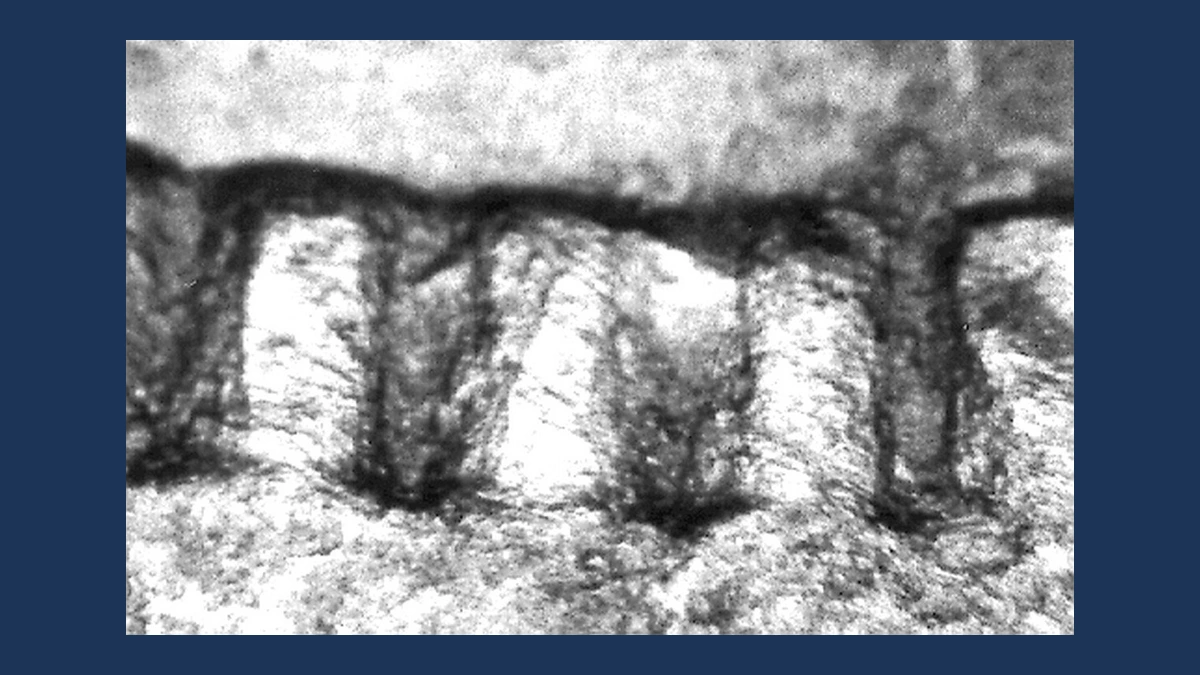
A misplaced-date variety preserves part of a number away from its intended position. The date punch touched the stamping tool in the wrong place before the main date was completed.
For 1900, a catalog listing identifies Snow 11 as MPD001. The specific small mark must be matched to that variety’s photographs.
The normal date remains important because it anchors the comparison. An unusual raised mark elsewhere is not automatically another date digit.
The raised nose feature on Snow 28 is a separate tool feature and should not be substituted for the Snow 11 misplaced date.
Estimated Value
Use an estimated $25–$1,500 for an identified 1900 misplaced-date example, with wear and the clarity of the extra number shaping the value. The estimate applies to the whole penny.
A different-year Indian cent, the 1908 FS-301 misplaced date graded MS65 Red and Brown, has a recorded $1,187 eBay result from 2021. That high-grade comparison does not establish the price of Snow 11.
A catalog match matters before paying a variety premium.
How to Identify
Keep a photograph specifically labeled 1900 Snow 11 beside the coin. A misplaced digit from another year can occupy a different place, even when its catalog number looks familiar.
Check the normal bronze specifications with a scale and calipers: 3.11 g and 19.05 mm. Examine the plain edge for reshaping before trusting small features near the border.
Use a 10× magnifier to compare the suspected mark with the photographed digit, keeping the normal date aligned. Reject random blobs as proof, and compare the extra mark’s curve and distance from the nearest normal design feature instead of borrowing a location from another variety.
7. 1900 Indian Head Penny Broadstrike (Estimated Up to $1,500)
A broadstrike normally keeps the full design while copper spreads outward without proper support from the surrounding metal ring. That ring is called the collar.
The documented 1900 coin carries a broadstrike label, but its missing border teeth near 8 o’clock suggest slight off-center movement too. Its exact shape matters more than the label alone.
This coin also retains a metal layer beside the shield and shows a small extra stroke at the 9. The expanded strike, lamination, and date feature describe different parts of the same physical penny.
Estimated Value
The expanded MS64 Red and Brown example sold for $207 at Heritage on June 3, 2006. Its price included the lamination and small date feature as well as its unusual strike.
An estimated $50–$1,500 covers worn through attractive 1900 broadstrike examples. It does not treat every expanded coin as identical to this combination.
A complete design and clear natural spreading support a broadstrike description; missing design may require an off-center description instead.
How to Identify
Measure across the coin in several directions with calipers, comparing its shape with the ordinary 19.05 mm outline. A broadstrike generally spreads the existing 3.11 g of metal rather than adding weight.
After weighing it, inspect the plain edge for hammering or squeezing. Those actions can widen a finished coin without creating a mint broadstrike.
The key decision for this example lies near 8 o’clock. Use a 10× magnifier to see whether the border teeth are absent because the design missed the metal.
Check the remaining border all the way around. If design is missing as well as spread outward, record that off-center feature rather than relying solely on the broadstrike label.
8. 1900 Indian Head Penny Off-Center Strike (Estimated Up to $2,000)
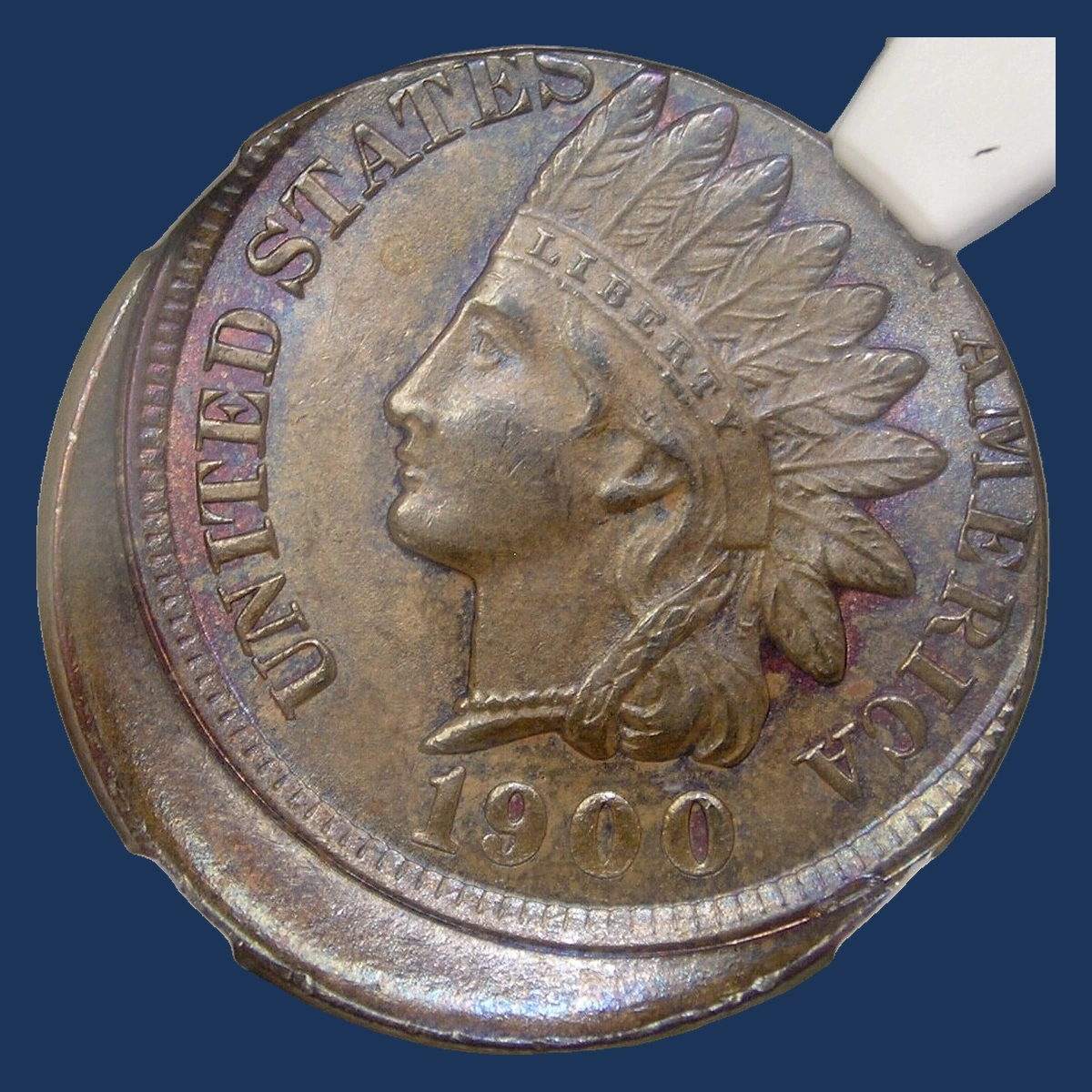
Part of STATES disappears at the top while blank copper remains near the bottom on this 1900 example. The metal disc sat about 10% off center when the tools struck it.
The shift runs toward roughly 11:30. Some cupping appears along the unstruck edge near 6 o’clock.
These details belong to the particular PCGS MS63 Brown example. Other off-center coins can point in different directions or leave larger blank areas.
The blank section is still part of the original disc. It differs from a clipped coin, where part of the metal is missing.
Estimated Value
Estimated values of $100–$2,000 allow for modest through dramatic 1900 off-center strikes. A complete date and clean copper usually improve appeal.
Recent same-year comparisons include a 15% off-center VF25 coin at $292.80 and a 5% off-center MS64 Brown coin at $414.80. Both sold at Heritage in March 2026.
They show why percentage alone does not determine price. Neither result is the sale price of the separate 10% MS63 Brown example described here.
How to Identify
Check the lower blank area for the coin’s original surface before estimating the percentage. A 10× magnifier can reveal grinding scratches if someone removed the design afterward.
Then examine the truncated STATES at the top. Its relationship to the lower blank copper should make sense as a single shifted strike.
A scale should remain near 3.11 g, since the blank part was not cut away. Record the outline with calipers against the usual 19.05 mm, and check the plain edge for filing.
On this particular example, inspect near 6 o’clock under side lighting. The unstruck edge there should show the cupped shape noted for the coin.
9. 1900 Indian Head Penny Repunched Date (Estimated Up to $3,000)
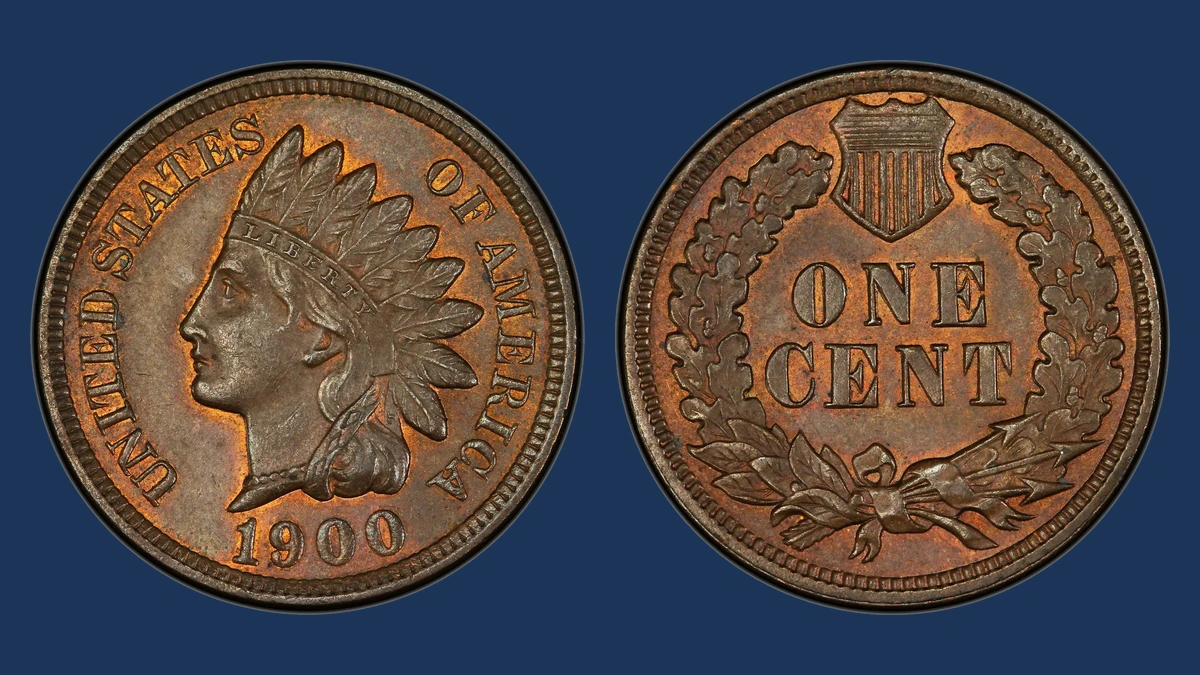
Two zeros make this date especially useful for close comparison. On Snow 1, an extra curved stroke sits above and to the right of the final 0.
That curve records an earlier position of the date punch in the stamping tool. The completed tool passed both date impressions onto later coins.
Many other 1900 varieties affect the 1, 9, or either zero in different directions. One Proof variety has extra strokes beneath the 1 and 9.
A Proof is a specially made collector coin. Its finish and value should be assessed separately from the date variety.
Estimated Value
A Snow 1, FS-301 penny graded MS65 Red and Brown brought $432 at Goldberg in June 2021, according to PCGS Auction Prices. The grade describes an attractive unworn example.
An estimated $10–$3,000 spans modest circulation pieces through better Proof or high-grade coins. The upper end includes the underlying coin’s quality, not merely a small secondary digit.
Different 1900 catalog numbers should not all be assigned the Snow 1 sale price.
How to Identify
Do not treat the two zeros as interchangeable when describing an extra stroke. Note whether it lies beside the first or final zero, then compare the correct part of the date.
With a 10× magnifier, distinguish a rounded earlier digit from a flat shelf. Snow 1 provides a clear target above and right of the last 0.
A scale and calipers should find about 3.11 g and 19.05 mm, with a plain edge. If the coin is a Proof, use Proof photographs rather than circulation examples; for Snow PR1, inspect directly below the bases of the 1 and 9 for its extra strokes.
10. 1900 Indian Head Penny Double Strike (Estimated Up to $5,000)
Two dates survive on the documented 1900 double strike. The coin moved after its first impression and received another blow about 80% off center.
The second strike lies toward 12 o’clock relative to the first. Much of its design missed the metal, but enough remained to show another complete date.
This is a heavily worn example, graded Good 6 by NGC. Wear softened the details without erasing the striking sequence.
A doubled date variety is different: its extra strokes come from one stamping tool, rather than two separate impressions of the whole coin design.
Estimated Value
The Good 6 example sold for $546.25 at Heritage on January 7, 2006. Its two readable dates helped make the error clear despite substantial wear.
An estimated $300–$5,000 allows for worn pieces through attractive examples with distinct, widely displaced impressions. For another-year comparison, a 1908 double strike graded MS62 Brown brought $4,080 in June 2024.
The second strike’s position and clarity matter more than a large percentage printed on a label.
How to Identify
Count separate design impressions before counting dates. Through a 10× magnifier, follow enough lettering or portrait detail to show that each date belongs to its own strike.
Use a scale to check against 3.11 g and calipers to record any spreading beyond 19.05 mm. Examine the plain edge for artificial pressing, which can create misleading doubled-looking marks.
On the documented coin, the second impression is far toward the top. Its details should overlap or flatten portions of the first strike rather than resemble a scratch drawn across it.
Keep the first date upright, then locate the second date near the upper displaced strike. Read all four digits in each before identifying the illustrated two-date 1900 example.
11. 1900 Indian Head Penny Wrong-Metal Strike (Estimated Up to $180,000)
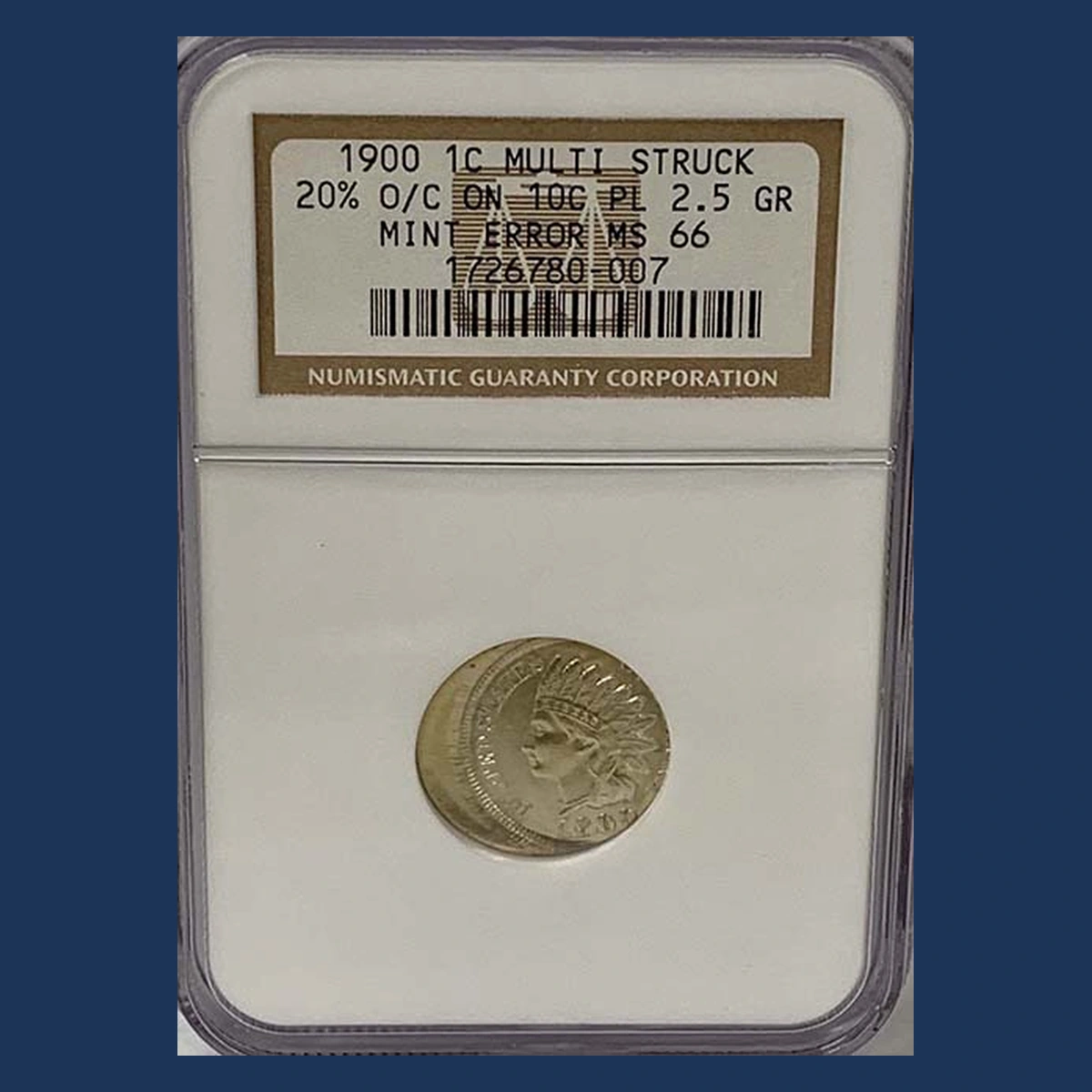
A penny design on gold belongs in a different category from an unusually colored copper coin. A documented 1900 piece was struck on a disc identified as intended for a $2.50 gold coin.
The auction description gives its weight as 65.8 grains, about 4.26 g. It is slightly smaller than an ordinary cent.
A silver example made with the same stamping tools is also reported. Its weight and original disc type require their own identification.
The surviving pieces establish the unusual metal, but do not prove whether the Mint made them accidentally or deliberately.
Estimated Value
The PCGS MS65 gold example brought $141,000 on April 23, 2015. A working estimate of $75,000–$180,000 reflects that exceptional gold rarity.
For a separately authenticated silver example, use a provisional whole-coin estimate of $5,000–$30,000, rather than borrowing the gold price. This is an estimate, not a recorded silver sale.
For scale, a different off-metal cent on a Venezuelan disc sold for $3,904 in 2026; its identity and rarity differ substantially.
How to Identify
Color alone cannot identify gold or silver because plating can change an ordinary penny’s appearance. First compare the scale reading with normal bronze at 3.11 g; the documented gold coin weighed about 4.26 g.
Measure the diameter with calipers against 19.05 mm and inspect the normally plain cent edge. Under a 10× magnifier, look for peeling coating or a different metal exposed in worn spots.
The silver report does not supply a weight that can be assumed for every silver-colored coin. For either metal, have a specialist test the composition without cutting the coin, then compare its weight, size, and design with the documented specimen.
Conclusion
A gold-colored penny and a tiny extra date stroke need very different checks. Establish the coin’s metal and shape first when those look unusual, then study the smaller details with magnification.
The estimated $5–$180,000 range includes both minor defects and exceptional precious-metal coins. Keep that difference in mind: an ordinary bronze penny does not inherit the gold example’s value because it has an unusual mark.