1905 Penny Error List with Pictures

A yellow 1905 penny needs more than a color check. A genuine example struck on a gold blank has a recorded $253,000 auction result, but gold plating cannot turn an ordinary cent into that rarity.
This 1905 Indian Head penny error list also covers tiny extra date strokes, broken-tool marks, and coins hit more than once. Estimated values extend from $5 to $260,000.
Start with the visible feature below, then compare the metal, condition, and exact design before using its price range.
1. 1905 Indian Head Penny Clipped Planchet (Estimated Up to $500)
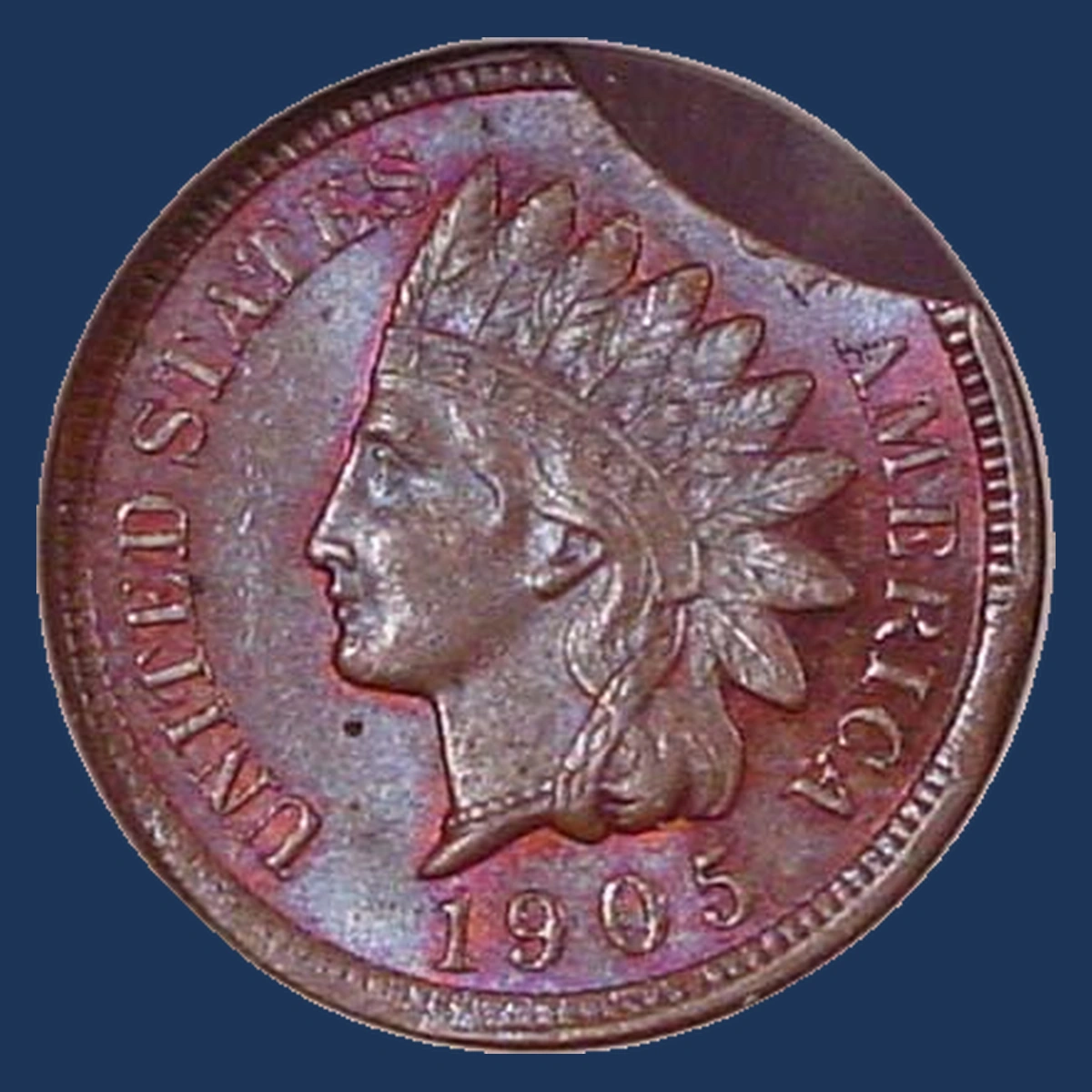
Two curved gaps can be part of the original blank rather than cuts made after the coin was finished. The metal was already missing when the design was stamped.
This is a clipped planchet, meaning an incomplete prepared blank. A pictured NGC MS64 Brown example has about a 10% gap near 1 o’clock and a 1% gap near 4 o’clock.
That grade describes an unworn coin with some surface marks. Its two gaps belong to the same penny.
Each gap needs its own edge check. A genuine larger clip does not automatically prove that a second notch is original.
Estimated Value
Estimate $25–$500 for genuine clipped examples, with the upper part aimed at attractive coins with clear original gaps. The pictured MS64 coin illustrates the type, without a reported sale here.
For perspective, a different 1905 penny with a ragged clip and an off-center strike sold for $211.50 in August 2013. That was one price for the combined errors.
A double clip need not be worth twice a single clip. Compare condition and the amount of missing metal together.
How to Identify
Photograph each gap from the front, back, and edge. On the pictured example, distinguish the larger opening near 1 o’clock from the tiny one near 4 o’clock.
Use a magnifier where each gap meets the rim. Look for original rounded metal movement rather than a fresh cut through a completed border.
A scale can compare the remaining weight with the normal 3.11 grams, while calipers measure an intact span against about 19 millimeters. A measurement across a gap understates the original width.
Inspect the remaining smooth edge for filing. Weakness opposite a gap can help, but its absence does not settle the question; both openings still need to fit the original strike.
2. 1905 Indian Head Penny Die Cracks and Cuds (Estimated Up to $750)
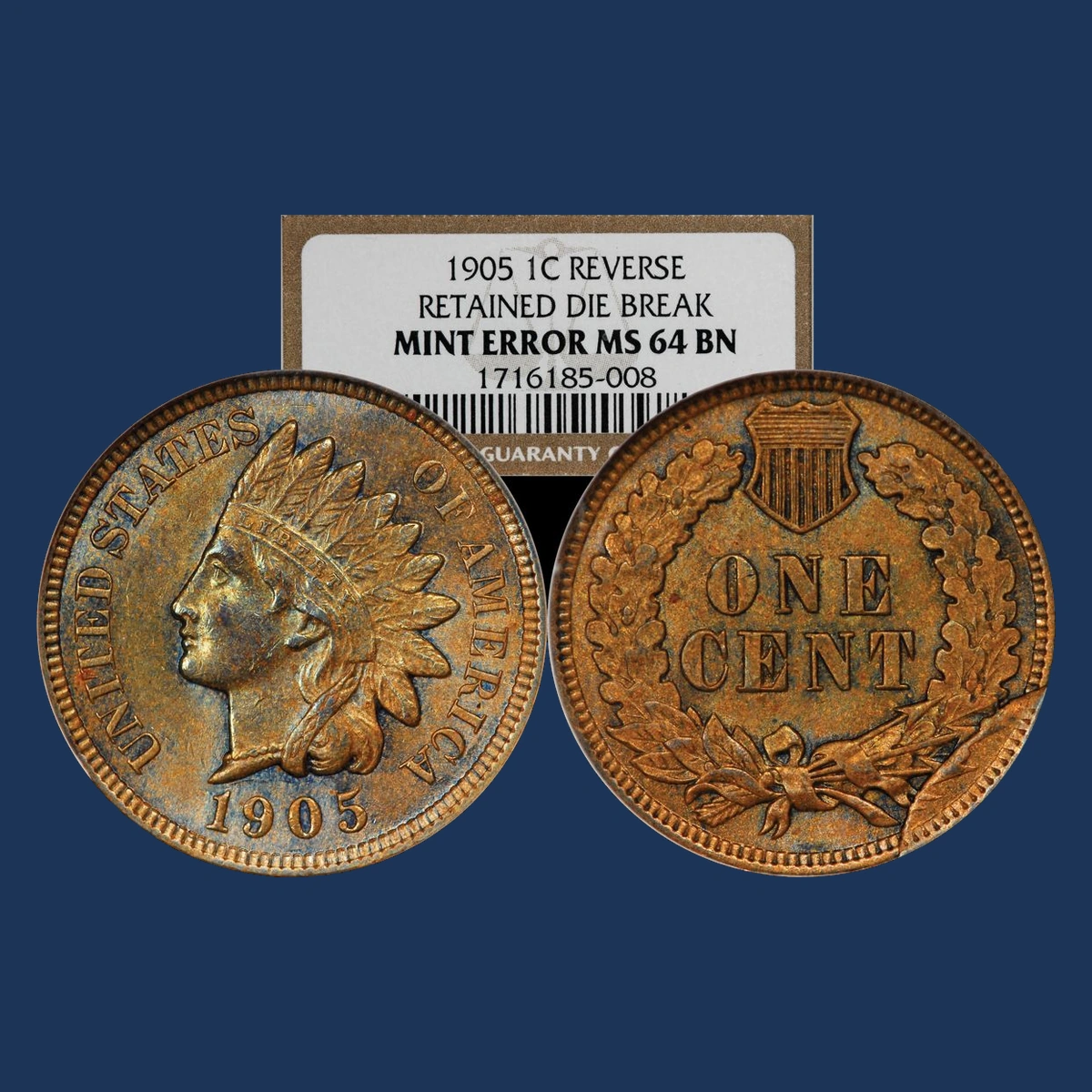
A thin raised line may follow the wreath, while a larger rim patch can partly cover it. These marks form when a die, the steel tool that stamps coins, cracks or breaks.
A cracked piece may remain in place and keep some design visible. Collectors call that a retained cud.
If the piece falls away, metal can fill the opening and form a solid raised lump. That is a full cud.
The 1905 examples include several back-rim locations and stages. One documented tool progressed from a retained section to a complete break, so its earlier and later coins look different.
Estimated Value
Small clear cracks can fit an estimated $5–$75, while larger retained sections and full cuds may bring roughly $50–$750. Size alone does not replace checking the coin’s condition.
A 1946-S Lincoln cent with a cud sold for $288 in March 2021. It offers a later bronze-cent comparison, not a price for a particular 1905 wreath break.
Price a combined date variety and cud as one coin. Adding two maximum estimates would overstate what that example has demonstrated.
How to Identify
Tilt the coin to distinguish a raised line from a cut-in groove or an inward dent. Under a magnifier, follow the line toward any wider rim patch and check whether wreath detail survives inside it.
Surviving design can fit a retained piece, while a solid patch with lost detail may show a complete break. Compare the same location and stage in known examples before deciding which form you have.
Where safely accessible, weigh the coin against 3.11 grams and measure its width against about 19 millimeters with calipers. Inspect the smooth edge beside the patch for a folded rim or solder, either of which changes the explanation.
3. 1905 Indian Head Penny Repunched Date (Estimated Up to $1,000)
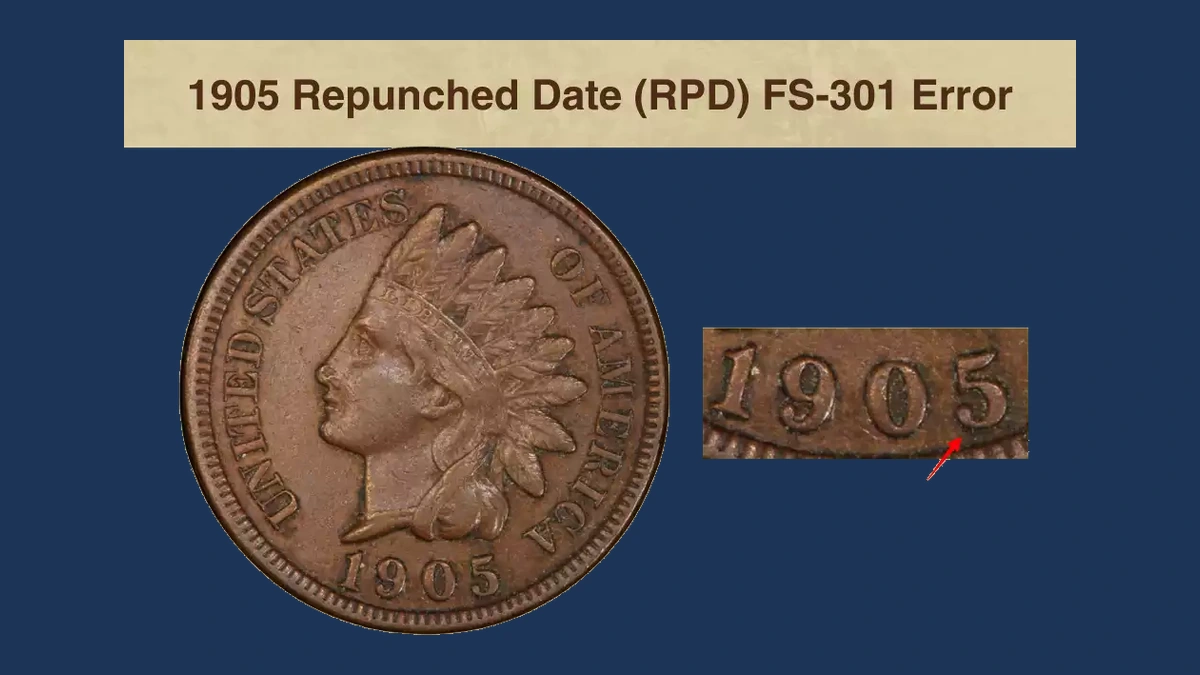
Look closely beneath the 5 or inside the loops of the date. Small raised strokes may be leftovers from an earlier date punch in the stamping tool.
The date was added to that tool separately. A second punch in a slightly different position could leave parts of the first impression visible.
The familiar Snow 1 example shows an extra stroke below the 5. Other 1905 examples involve different digits and directions, sometimes alongside cracks.
One documented variety also has weak feather tips on early coins from a blocked tool. Later coins have complete tips, so that weakness is not required.
Estimated Value
PCGS records a $396 sale in July 2013 for a Snow 1 example graded XF40. That is a worn coin with substantial design detail remaining.
An estimated $10–$1,000 spans minor varieties through stronger, well-preserved examples. It does not give every repunched date the same value as Snow 1.
Read the extra stroke before comparing prices. Surface damage, polished color, and wear can change the value even when the date variety is correctly identified.
How to Identify
For Snow 1, place a 10× magnifier over the base of the 5 and compare the extra stroke below it. For another variety, select its own date photograph before tracing the digits.
Keep the date upright while moving the light. A reflection may disappear, but an original raised stroke remains in the same position.
Check accessible weight with a scale and width with calipers against 3.11 grams and about 19 millimeters. Inspect the smooth edge and nearby date surface for alteration.
Compare every visible remnant in the loops and bases. A flat shelf beside one digit is not enough to identify a repunched date.
Do not reject a later coin solely because its feather tips are complete; those tips changed as the blockage cleared.
4. 1905 Indian Head Penny Misplaced Date (Estimated Up to $1,500)
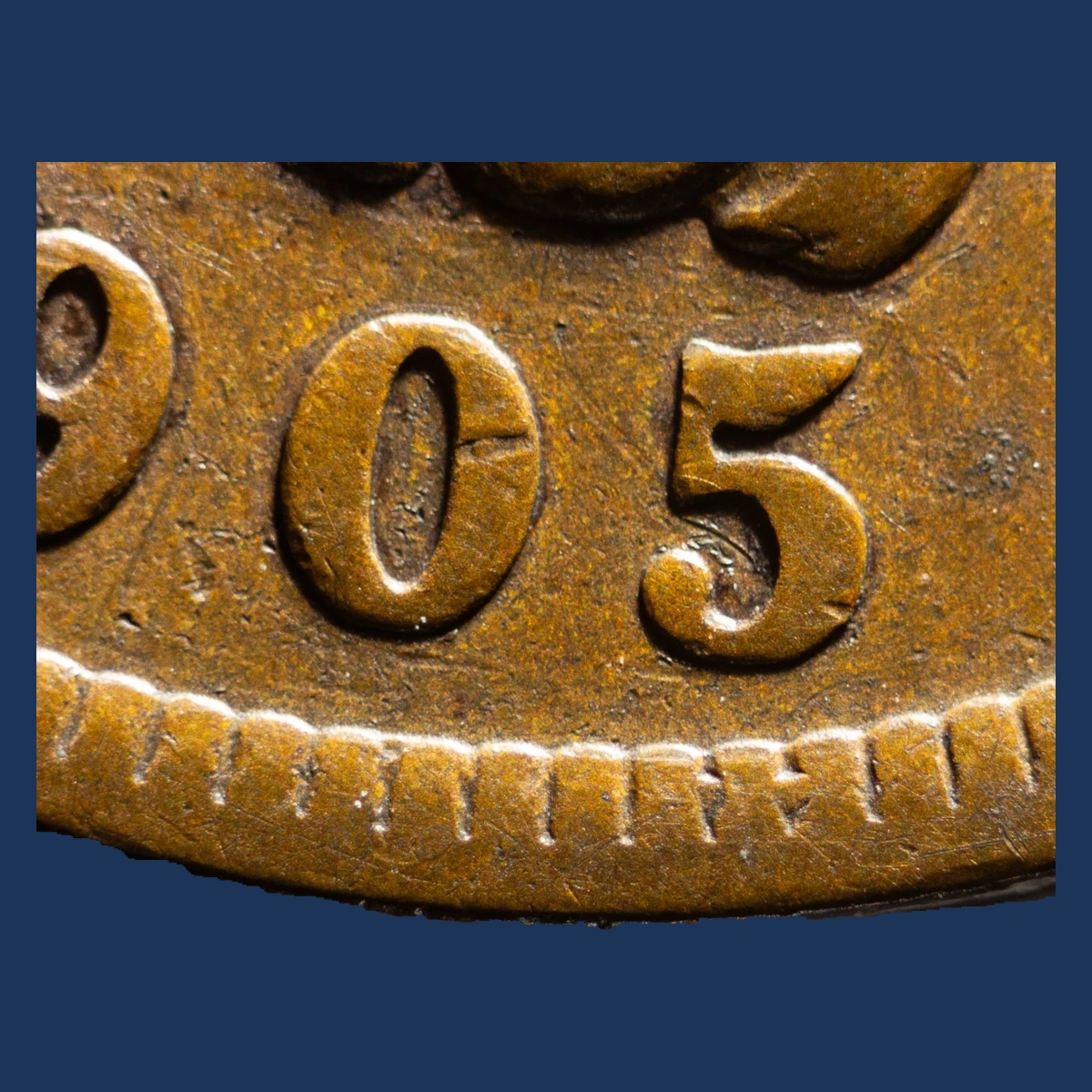
A piece of a number can appear well away from the main date. An accidental date-punch impression in the tool can leave such a mark on every coin it stamps.
On one 1905 variety, the tops of 9, 0, and 5 appear among the small border teeth below the date. Another has misplaced 0 and 5 remnants there.
A separate variety places a 1 in the neck. These are different locations, not one pattern that every example must show.
Some pennies also have repunched main-date digits or later tool cracks. The misplaced number remains the feature to locate first.
Estimated Value
The visibility of the stray digit strongly affects an estimated $20–$1,500 range. A faint fragment on a worn penny should not be priced like a clear example in exceptional condition.
A different-year 1908 misplaced-date cent graded MS65 Red and Brown has a recorded $1,187 eBay result from 2021. It is an unworn, partly red comparison, not a sale for the 1905 neck variety.
Identify the particular number and its position before using that upper-end comparison.
How to Identify
Begin with a normal 1905 penny beside the coin, using the same lighting. Its border teeth and neck give you a guide to shapes that belong there.
Under magnification, trace the suspected extra number rather than outlining every irregularity. The below-date examples need curved digit tops among the border teeth; the neck example needs the shape of a 1.
If a mark cuts into the surface, examine it for a scratch before calling it a raised punch remnant. Use scale and caliper readings, when safely accessible, to compare 3.11 grams and about 19 millimeters.
A smooth original edge supports the basic coin check. Return to the number’s outline and position: a random bump between border teeth does not establish a misplaced date.
5. 1905 Indian Head Penny Doubled Die Reverse (Estimated Up to $1,500)
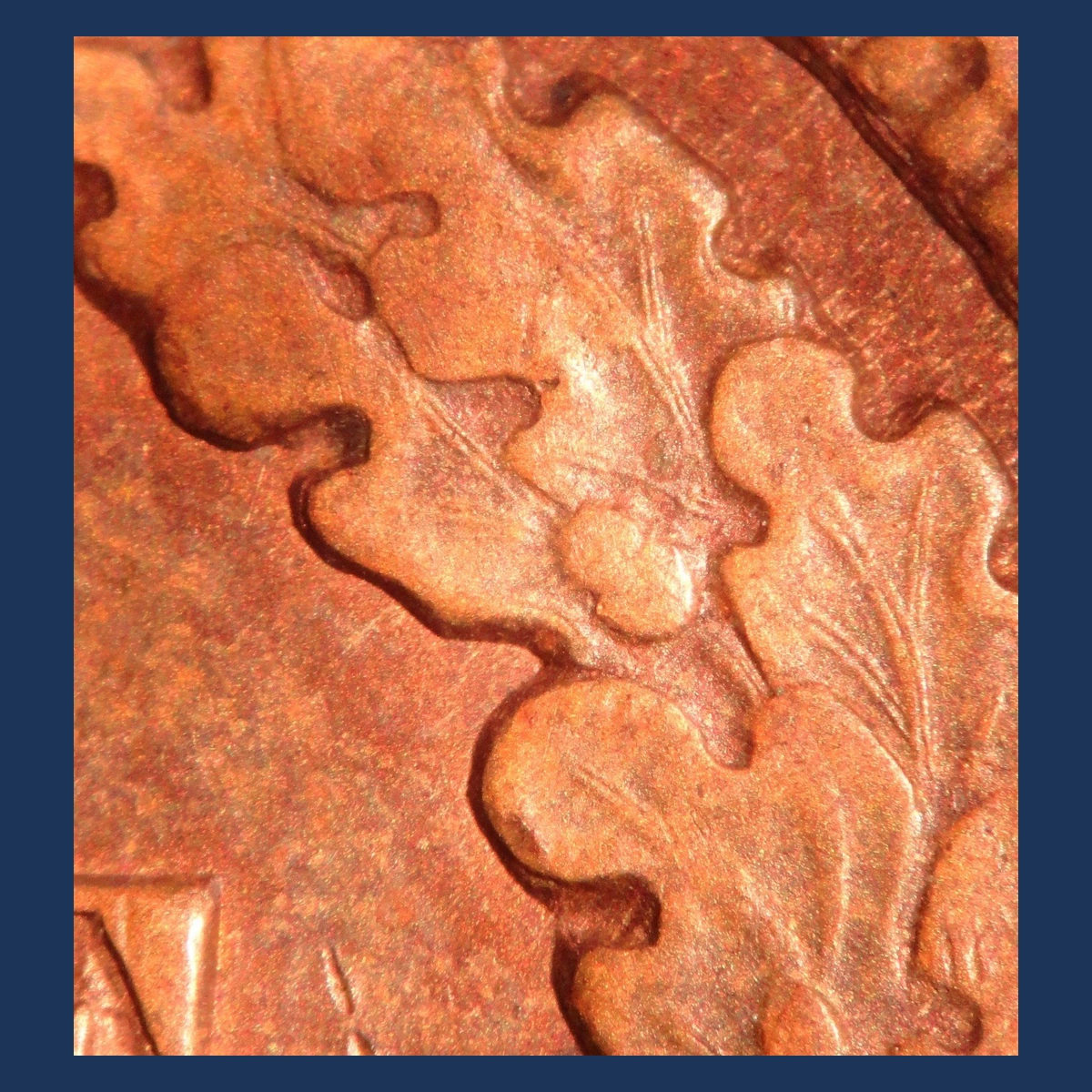
Leaf veins can look doubled even when the main lettering appears normal. Repeated detail was built into the back stamping tool, so later coins copied the same outlines.
This is called a doubled die reverse, with reverse meaning the back. The 1905 varieties do not all affect the same area.
One shows doubling on both sides of the wreath. Others are stronger on the left leaves or on the upper right wreath and shield bars.
Clash marks, spots copied from tool rust, or a repunched date can accompany particular examples. These features should not replace checking the repeated leaf detail.
Estimated Value
For an identifiable 1905 doubled-back variety, estimate $15–$1,500 across worn to attractive unworn examples. Subtle leaf thickening belongs near a different part of that range from strong, clear doubling.
An 1887 Indian cent with recognized front doubling sold for $1,380 in June 2025. It is a same-series comparison involving a different date and face.
The 1905 estimate does not turn that sale into a matching transaction. Wear on the leaves and the correct variety still control the comparison.
How to Identify
Two similar-looking wreaths may come from different pairs of stamping tools, so begin with photographs of both faces. The front date’s position above the border teeth helps select the right back comparison before you trace leaves.
Use a scale and calipers on an accessible coin to compare 3.11 grams and about 19 millimeters, checking the smooth edge for a join. Then examine the left and right leaf veins separately with a magnifier.
Follow the repeated raised lines in the locations shown for that variety, including shield bars only where appropriate. Rough spots or faint opposite-face outlines may be separate tool marks, so return to the actual doubled leaf edges when these distract you.
6. 1905 Indian Head Penny Off-Center Strike (Estimated Up to $1,500)
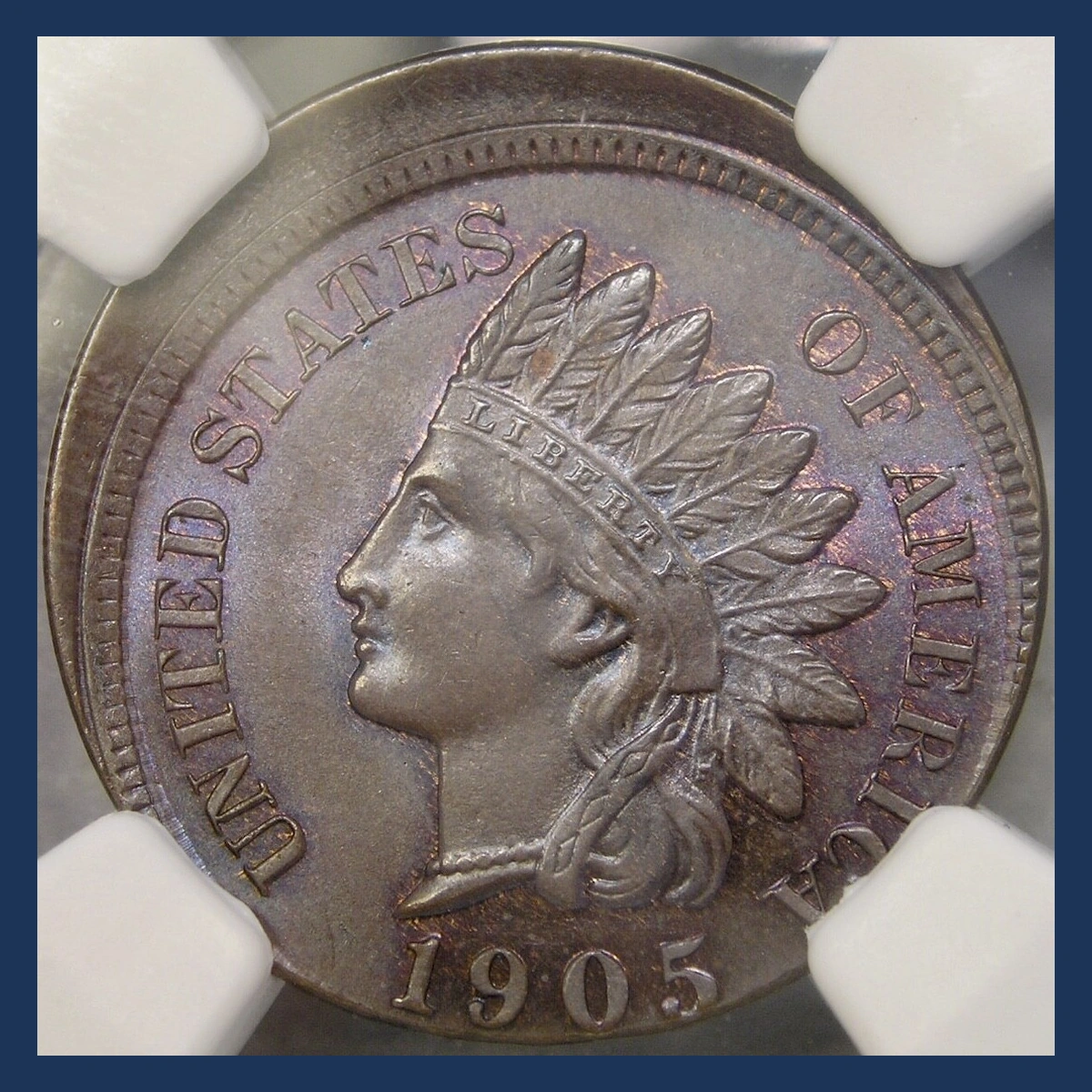
The portrait and wreath can fall partly beyond the blank when it enters the press in the wrong position. An unused crescent remains beside the incomplete image.
A pictured 1905 example was struck about 40% off center toward 12 o’clock. Its NGC MS64 Brown grade describes an unworn brown coin with some marks.
The error concerns where the whole design landed, not a small doubled letter. Both faces should fit the displaced blank.
Other examples have smaller shifts and different preservation. A readable date keeps the comparison tied to this year rather than a similar-looking undated Indian cent.
Estimated Value
A 40% off-center example graded MS64 Brown sold for $1,035 in November 2004. A different 10% off-center MS62 Brown coin brought $204 in October 2021.
Those two sales show why shift and condition matter together. An estimated $100–$1,500 covers a useful range of genuine, identifiable 1905 examples.
The older high-grade sale is not a guaranteed present price. A worn coin with less design remaining, damage, or a poorly readable date needs its own comparison.
How to Identify
Find the date before judging the dramatic blank crescent. The Indian Head design alone covers many years.
For a partial date, compare the surviving digit shapes carefully before assigning 1905. A general resemblance to this year does not finish that check.
Compare the front and back boundaries in whole-coin photographs. Both should fit an incomplete strike, rather than one face shifted while the other remains normally centered.
With calipers, record the irregular outline rather than assuming it must still measure exactly the normal 19 millimeters. A scale check against 3.11 grams helps reveal missing metal.
Turn the coin to inspect its smooth edge and blank area under a magnifier. Grinding away a completed design leaves a different surface from metal that never received one.
7. 1905 Indian Head Penny Double Strike and Indent (Estimated Up to $4,000)
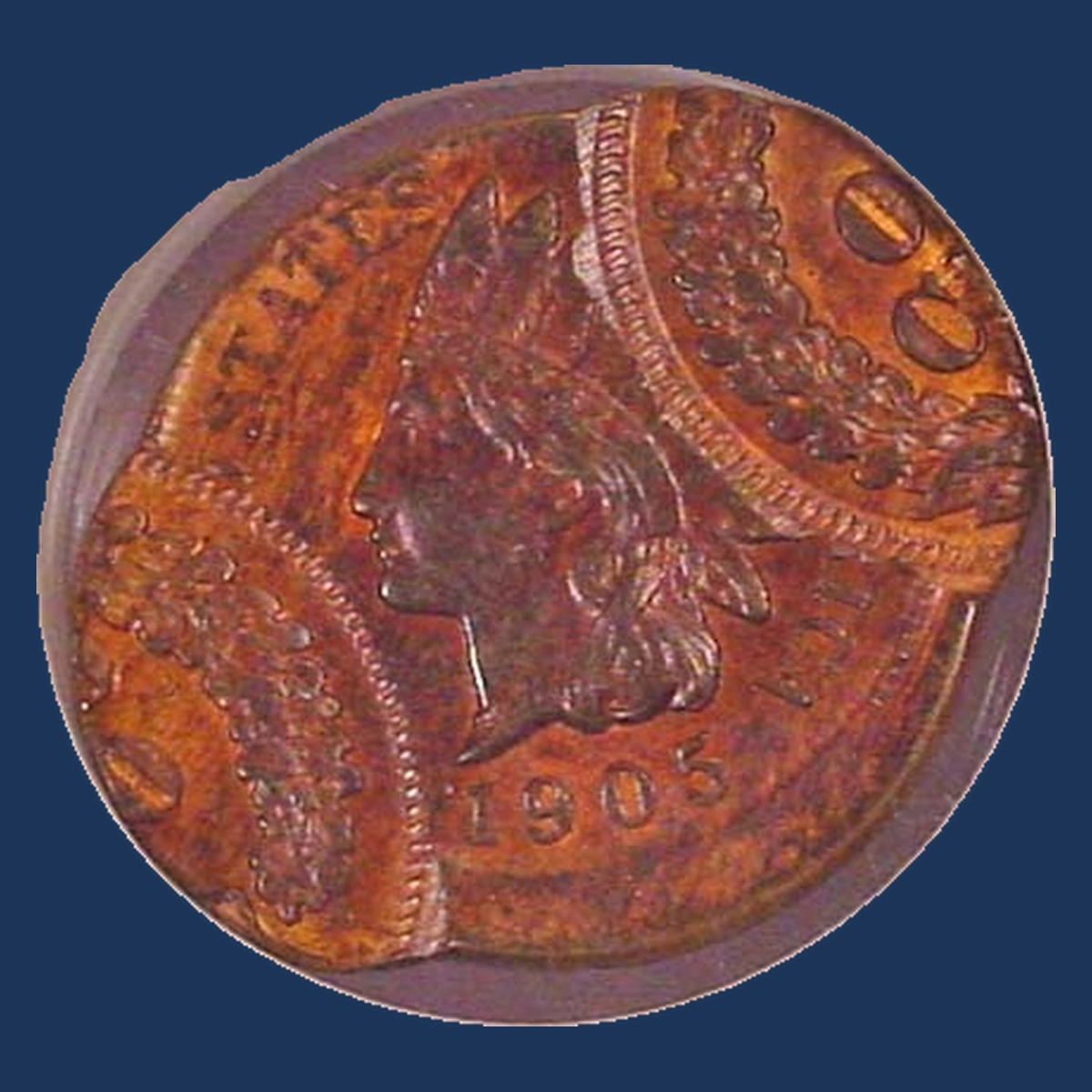
Two sets of letters or portrait fragments can show that a penny received another blow. The second design may land far from the first.
One example begins 10% off center near 8 o’clock, then receives another strike 75% off center near 3 o’clock. Another has a second strike only 5% off center.
That second example also has a depression across about half the front. Collectors call this an indent, made when another blank blocks part of the strike.
Another coin combines a 40% second strike with an indent. Its depression size should not be borrowed from the other specimen.
Estimated Value
Double-struck examples can be estimated at $400–$4,000, depending on wear, the surviving images, and any accompanying indent. Each compound coin receives one price.
A 1912 Lincoln cent with a second strike 10% off center sold for $1,920 in June 2025. Its MS65 Brown grade describes a well-preserved unworn coin.
That later bronze-cent sale provides a broad mechanism comparison. It does not establish a sale for any of these 1905 coins or a separate amount to add for the depression.
How to Identify
A large depression may draw the eye first, but map the two strikes before naming the dent. On copies of the photographs, mark which date, portrait, and letters belong to each blow.
The 75% second strike should preserve a very different overlap from the example with only a 5% shift. Keep the direction of each blow with its matching example.
Inspect the depression boundary under a magnifier, following how the design stops or weakens against it. A later hammer dent may crush an already finished image instead.
Check accessible weight and width with a scale and calipers against 3.11 grams and about 19 millimeters, allowing for strike distortion. Examine the smooth edge for a join before accepting two apparent images as one genuine coin.
8. 1905 Indian Head Penny Triple Flipover Strike (Estimated Up to $6,000)
This penny carries the remains of three press blows, with later images placed over the opposite face’s earlier design. The coin turned over during the sequence.
The pictured example is graded NGC MS63 Red and Brown, an unworn coin with marks and partly red copper color. Its first strike sits about 10% off center toward 11 o’clock.
The later two impressions are about 75% off center near 2 and 8 o’clock. They overlap the first design.
A count of visible numbers alone cannot prove three strikes. The portrait fragments and lettering on both faces must fit the same sequence.
Estimated Value
An estimated $1,500–$6,000 reflects the complexity of a genuine triple flipover and the importance of readable overlapping images. The pictured 1905 example is not assigned an unpublished auction result.
A 1920 Lincoln cent with three strikes sold for $1,800 in August 2020. That later bronze penny provides a multiple-strike comparison, but its arrangement is different.
Turning over adds a different relationship between the faces. Clear earlier design, original surfaces, and wear matter more than merely counting three apparent dates.
How to Identify
Use front and back photographs together; a single close-up cannot explain a flipover. Mark the first, slightly off-center impression, then trace the two much more displaced designs.
At crossings, examine which older feature runs beneath a later image with a magnifier. The opposite-face details must fit a turned-over coin rather than three unrelated patches.
An accessible piece can be weighed against the normal 3.11 grams. Calipers help record its changed outline relative to the ordinary 19-millimeter cent, without treating the distorted shape as a different denomination.
Inspect the smooth edge for a seam joining separate pieces. If the three proposed images cannot be followed across both faces, stop short of assigning the illustrated strike sequence.
9. 1905 Indian Head Penny Struck on a Gold Blank (Estimated Up to $260,000)
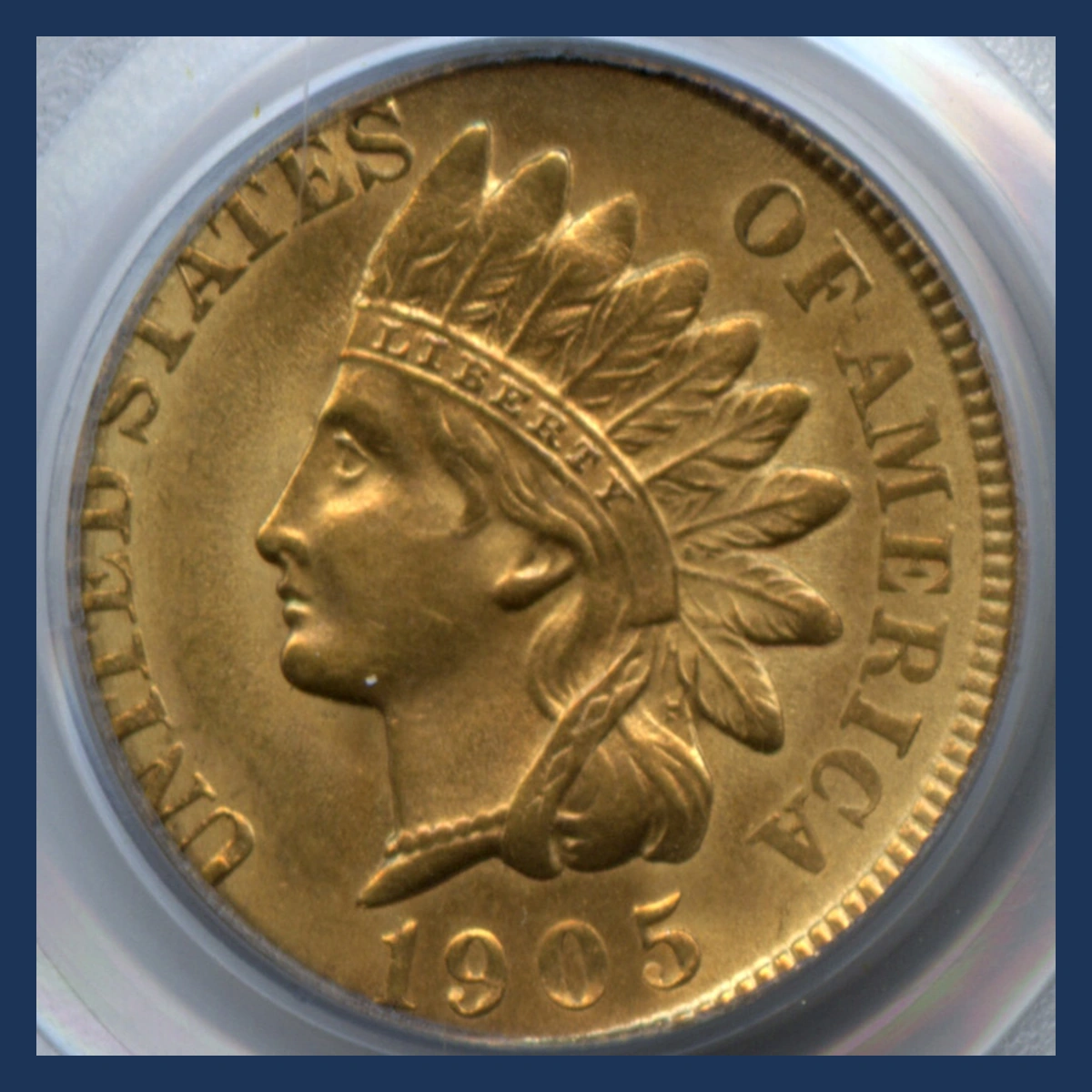
Yellow metal is only the first clue on this penny. Its blank was intended for a United States $2.50 gold coin, also called a quarter eagle.
The auctioned cent weighs 64.5 grains, or about 4.18 grams, and contains 90% gold and 10% copper. That differs sharply from the normal bronze cent.
Its design lies slightly toward 9 o’clock, with the tops of UNITED STATES cut off. The date, feather tips, and outer wreath also show weakness.
Its route into the cent press is not established. A real gold-blank strike does not, by itself, prove whether the event was accidental.
Estimated Value
A Heritage-authored record lists a $253,000 result for the PCGS MS64 gold cent. A later September 2015 auction brought $105,750.
An estimated $100,000–$260,000 reflects that rare certified coin’s documented market history, not the gold content alone. MS64 describes an unworn coin with some marks.
This range does not apply to a plated bronze penny. Metal testing, the exact strike, and professional authentication must support the identity before a comparison with those sales makes sense.
How to Identify
A scale gives a useful first separation: the reported gold coin weighs about 4.18 grams, compared with 3.11 grams for bronze. Keep a certified coin in its holder and use its documented measurements.
Calipers can check an accessible example’s width. The gold blank was smaller than the ordinary cent’s roughly 19 millimeters, so do not reject it for failing the bronze diameter.
Have the metal checked without scratching or acid testing. Gold plating over copper is not a 90% gold blank.
Under magnification, compare the clipped tops of UNITED STATES and weak outer design with the certified example. Inspect the edge for a coating boundary or join; color alone cannot resolve either the metal or the strike.
Conclusion
The gold-blank cent sits at the far end of the estimated $5–$260,000 range. Most checks begin with smaller clues: an extra number stroke, a raised rim patch, or an incomplete design.
Keep the entire coin in view when comparing those clues. A repeated date can share a coin with a broken-tool mark.
Double strikes may also include a dent made by another blank. Their features belong to one whole-coin price.