1911 Penny Error List with Pictures

The small D beneath the date made its Lincoln cent debut in 1911. On some 1911 Wheat pennies, another D or S impression survives beside the main mintmark; an unworn S/S example sold for $780 in 2023.
Other mistakes changed the metal, outline, or entire struck design. Estimated whole-coin values for the types here range from $3 to $2,000.
Work through the visible features below to tell a tiny tool mistake from peeling copper, misplaced strikes, and coins struck more than once.
1. 1911 Lincoln Wheat Penny Die Crack (Estimated Up to $100)
A fine raised line can cross the portrait, lettering, or open surface. It may record a crack in the die, the steel tool that stamped the coin.
Under pressure, copper flows into the opening in the tool. The resulting line remains part of the coin’s original struck surface.
Die cracks are reported for 1911, but no single path applies to every example. The actual line should be followed rather than assigned a familiar nickname.
A crack report does not by itself establish a BIE chip or a large rim break. Those shapes need their own evidence.
Estimated Value
Allow an estimated $3–$100 for ordinary 1911 pennies with genuine raised cracks. A faint line can add very little, especially on a heavily worn coin.
This is a comparison-based range for small Wheat cent tool defects, not a documented sale of a particular 1911 crack. A bold, continuous line is easier for a collector to appreciate.
The estimate includes the underlying penny. A valuable mint or grade should be assessed separately from how much the crack adds.
How to Identify
A raised line and a cut require opposite explanations. Start by moving a lamp around the coin, keeping your eye on the line’s shadow.
If it appears raised, follow it through a 10× magnifier. There is no required path through particular letters for the general 1911 crack report.
A scale and calipers can check for substantial alteration against 3.11 g and 19.05 mm. Inspect the plain edge for crushing that might have pushed copper onto the face.
Examine the surface beside the line for pitting, since corroded metal can crack too. At the clearest point, compare the line’s height with a nearby normal letter; the suspected mint crack should also stand above the original surface.
2. 1911 Lincoln Wheat Penny Die Clash (Estimated Up to $150)
A fragment from the opposite design may appear in an open area. This can result when the stamping tools strike each other without a disc between them.
The tools can pick up small traces from their contact. Later coins reproduce those marks alongside the intended design.
Clashes have been reported for 1911 pennies, but the report does not define one mint or exact location. The shape must be checked on the individual coin.
Deep backward impressions can also come from two finished coins squeezed together later. That damage is not automatically a genuine mint clash.
Estimated Value
An estimated $5–$150 covers genuine 1911 clashes on ordinary circulated or modest-grade coins. Weak traces generally add less than a recognizable opposite-design fragment.
The range uses comparable Wheat cent clashes rather than a recorded 1911 auction price. Original surfaces and a clear explanation of the mark help buyers judge the error.
Many scratches or polishing lines can look unusual without forming a transferred design. Their number does not justify a higher error value.
How to Identify
Ignore the error name initially and draw only the extra shape you can actually see. A short curve or letter fragment is more useful than a vague claim of a second design.
Use a 10× magnifier, then compare the drawing with the opposite face of a normal penny. See whether both the shape and its orientation fit.
Before accepting a match, inspect the plain edge and both faces for pressure damage. Compare scale weight and caliper width with 3.11 g and 19.05 mm; normal figures do not exclude every imitation.
Return to the apparent match and examine its nearest surviving detail. Check whether that second detail fits the same opposite-design placement without independently rotating your comparison.
3. 1911 Lincoln Wheat Penny Lamination (Estimated Up to $250)
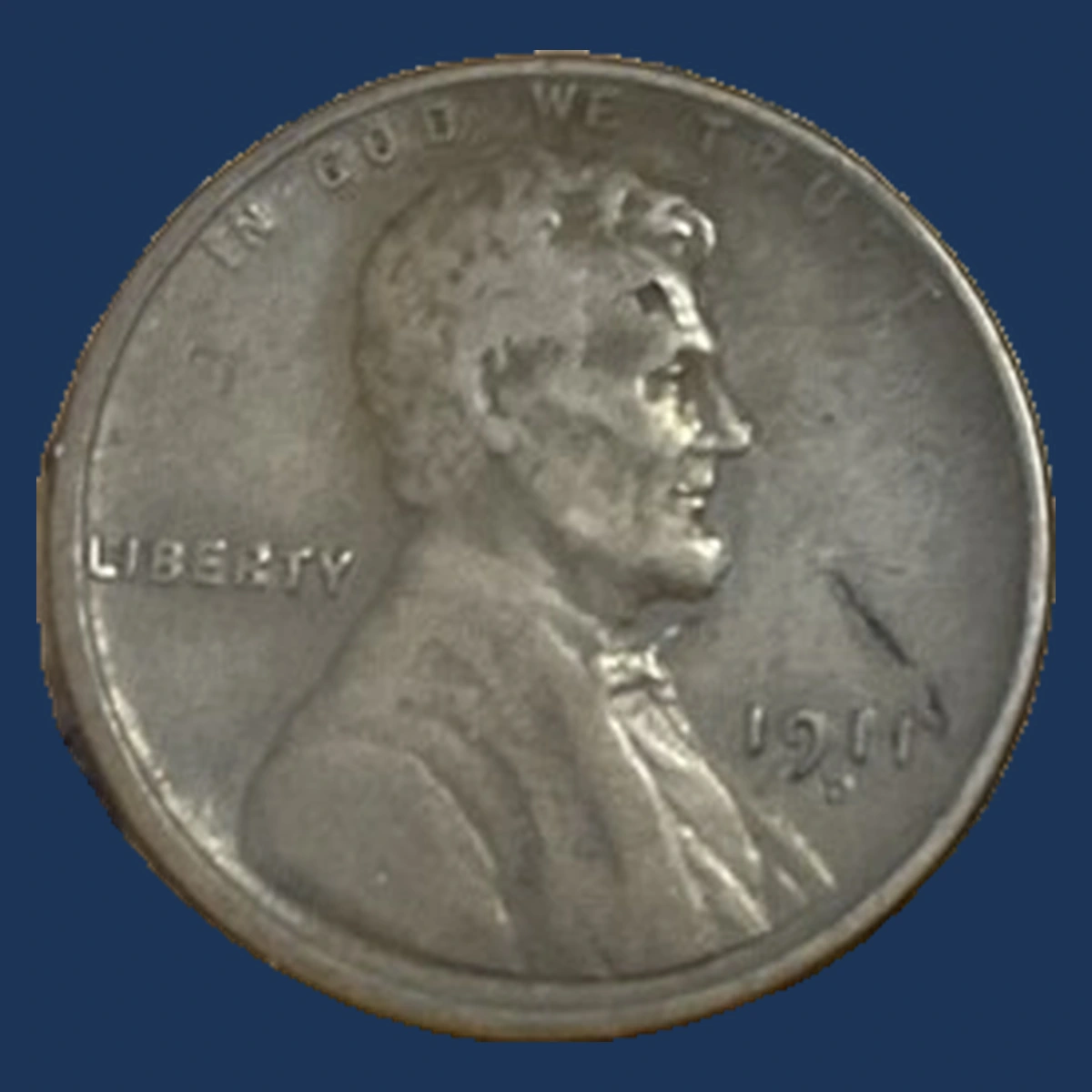
Copper can separate along a thin layer, leaving a flap or shallow missing patch. This lamination begins within the metal rather than in an added coating.
A Philadelphia dealer example places the peeling near nine-thirty on the back. San Francisco lamination has also been reported without that same exact location.
Another Denver coin has a repunched mintmark and back lamination. Its NGC VF35 Brown grade indicates circulation wear, while the extra mintmark and peeling remain separate features.
Normal 1911 bronze contains copper throughout. Peeling should not be described as the loss of a modern cent’s copper plating.
Estimated Value
For genuine 1911 lamination, an estimated $10–$250 covers ordinary circulated or modest-grade examples. The size and clarity of a natural flap influence its appeal.
A 1966 front-lamination cent graded MS63 Brown brought $61 in 2021, offering a later copper-cent comparison. It does not establish the sale price of the 1911 examples.
The Denver coin also carries a repunched mintmark. Its whole-coin value needs both features considered together, without adding two independent estimated prices.
How to Identify
Photograph the whole back before enlarging a peeling patch. The Philadelphia example is reported near nine-thirty, but the Denver and San Francisco coins need their own locations recorded.
Weigh the penny against 3.11 g on a scale before touching any loose metal. A flap still attached may leave the weight close to normal.
With a 10× magnifier, find the flap’s joined end or the shallow seam around a missing layer. Keep the copper in place.
Check the plain edge for continued separation and measure against 19.05 mm with calipers. Lower the lamp toward the surface and watch the seam’s profile: a physical layer has an edge that a flat color stripe does not.
4. 1911 Lincoln Wheat Penny Curved Clip (Estimated Up to $400)
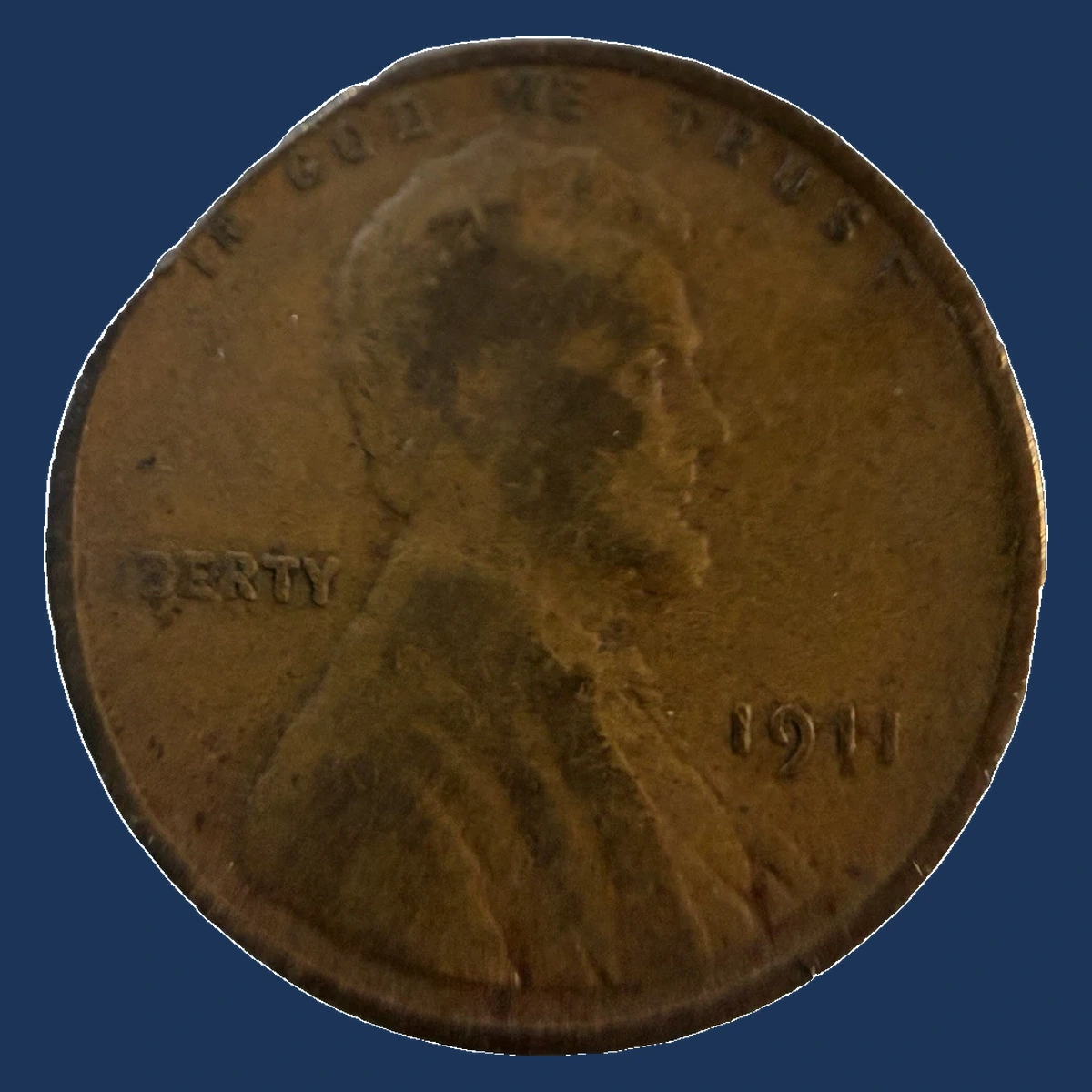
A rounded gap can interrupt the penny’s outline before the design is struck. The blanking punch overlapped an earlier hole in the metal strip, leaving an incomplete disc.
That disc could still pass through the press and become a coin with a curved clip. Part of the intended design near the gap might then be weak or absent.
The 1911 curved-clip report has no fixed mint or position. A differently shaped gap should not be used as a direct picture comparison.
Cutting a finished coin can also remove a curved piece. The edge and surrounding strike need closer examination.
Estimated Value
An estimated $20–$400 covers genuine 1911 curved clips, with small worn examples nearer the modest end. A clear gap and readable date help the error stand out.
For comparison, a 1939 clipped cent graded MS64 Brown sold for $180 in 2023. That different-year result supports the general mechanism estimate, not an exact price for a 1911 specimen.
The underlying mint and grade still matter. A later cut carries no equivalent mint-error premium.
How to Identify
Use calipers on an undamaged full width to compare with 19.05 mm. Record the scale weight against 3.11 g; later cutting can reduce it just as a genuine incomplete disc does.
Now inspect the curve where metal is missing. Each end should be examined through a 10× magnifier where it joins the ordinary plain edge.
Saw teeth, filing, or a sharp ridge cut through finished lettering are reasons to question the coin. A weak opposite rim can help, but its absence does not decide every clip.
Photograph both ends of the gap under the same light. Follow the intact rim into each junction and look for a natural transition in the struck metal rather than a cut across it.
5. 1911 Lincoln Wheat Penny Off-Center Strike (Estimated Up to $800)
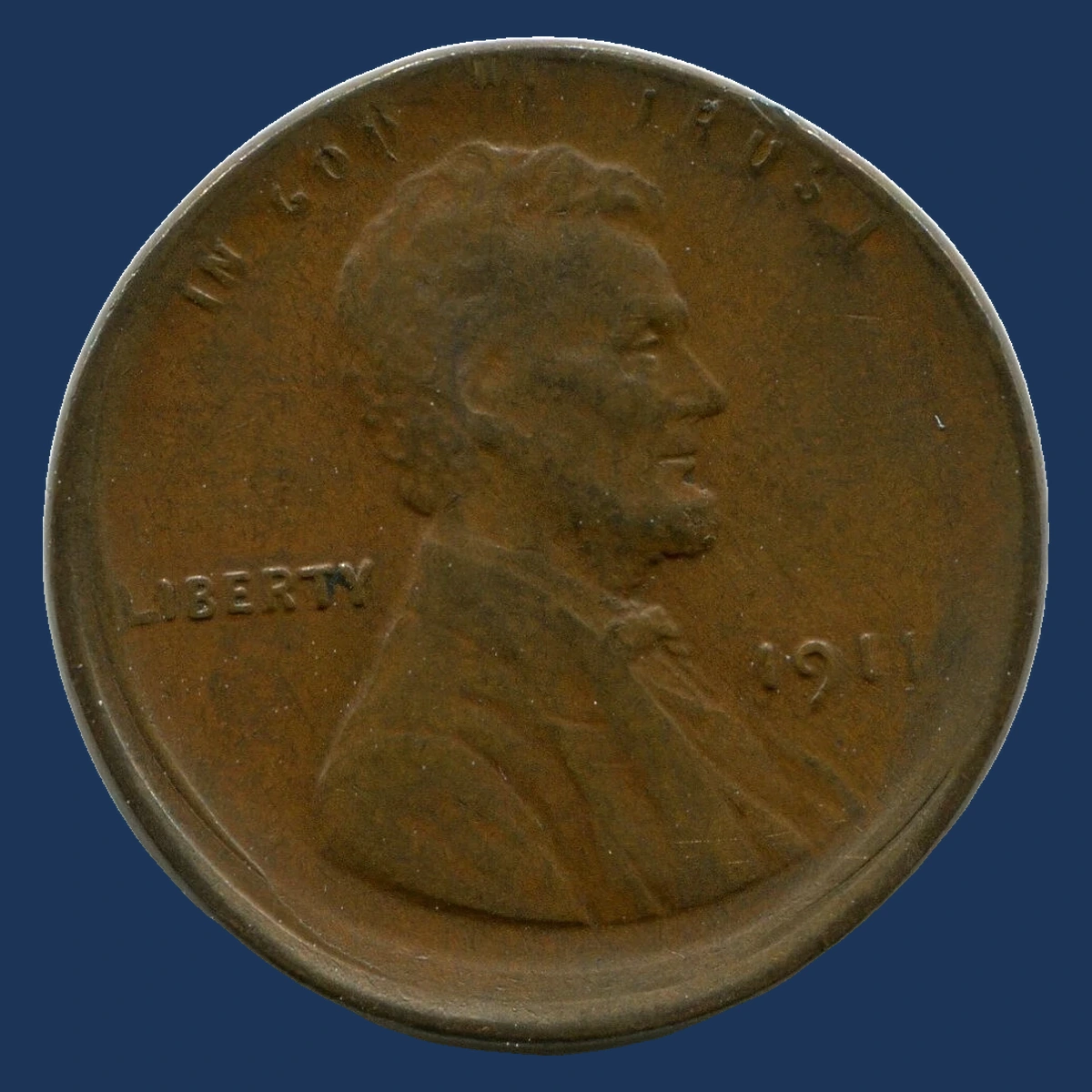
The coin’s design can run off one edge while unused metal remains on the other side. This happens when the disc is not centered between the stamping tools.
The Denver example graded ANACS VG10 is 10% off center toward two o’clock. The grade describes a coin with substantial circulation wear.
A San Francisco example graded PCGS VF20 shows a 15% shift toward ten-thirty. Lincoln remains visible, while much of IN GOD WE TRUST falls beyond the disc.
Those are separate coins with different directions and degrees of displacement. The visible date and mint letter identify which example is being compared.
Estimated Value
The Denver 10% off-center example sold for $159 on January 3, 2022. It shows that a genuine mint error can retain collector value despite considerable wear.
An estimated $75–$800 covers ordinary 1911 off-center examples through stronger or better-preserved pieces. The San Francisco mint issue can also contribute to the whole coin’s value.
The estimate does not assign a sale amount to the VF20 S specimen. Both the displacement and the condition need to match any price comparison.
How to Identify
Look for the mint letter before comparing the misplaced design. The Denver coin shifts toward two o’clock, while the San Francisco specimen shifts toward ten-thirty.
On the S example, read how much of IN GOD WE TRUST remains. Its complete portrait and missing upper motto make a more useful comparison than the percentage alone.
Measure the outline against 19.05 mm with calipers and weigh against 3.11 g on a scale. A 10× magnifier should be used along the plain edge to look for later trimming.
Keep track of the same physical edge as you turn the coin over. Check whether the back design also runs toward that edge, rather than assuming a one-face shift proves the whole disc was off center.
6. 1911 Lincoln Wheat Penny Repunched Mintmark (Estimated Up to $1,000)
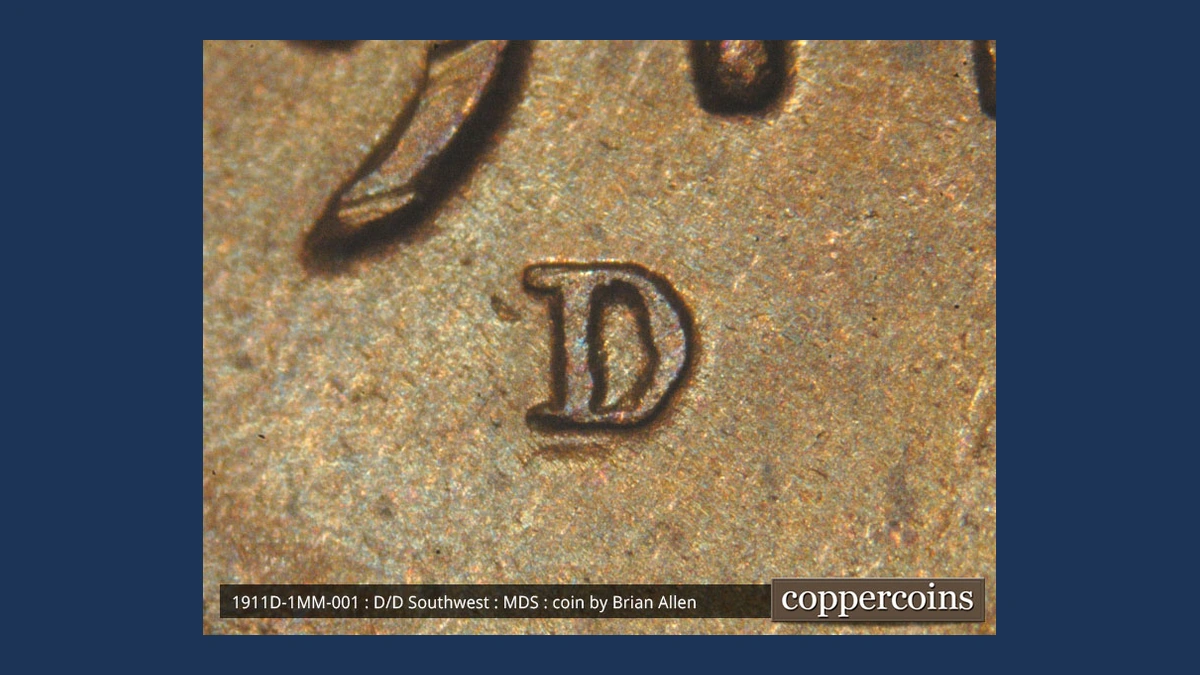
The D or S below 1911 may contain strokes from more than one mintmark impression. These remnants came from hand-punching the letter into the steel stamping tool.
If the punch moved before another blow, the earlier position could remain partly visible. Coins made from that tool would reproduce the same extra strokes.
Denver and San Francisco repunched mintmarks are recorded. The notation D/D means D over D, while S/S means S over S.
The exact remnants vary between tools, so one example’s position does not describe every coin. A normal mintmark sitting unusually high or low is not enough.
Estimated Value
A Denver FS-502 example graded MS63 Brown brought $586.80 in November 2023. At the same Heritage sale, an S/S example graded MS64 Red and Brown brought $780.
An estimated $25–$1,000 covers many identifiable 1911 repunched mintmarks. Variety, wear, and preservation make a substantial difference even within one year.
These are whole-coin prices. The stronger estimate requires a clear matching variety, and each mint’s coin needs its own comparison.
How to Identify
A mintmark is a small target, so take a full-front photograph first to preserve its relationship to the date. Then make a 10× close-up of the D or S.
Compare that letter with the same documented variety. Find a surviving curve or tip from the earlier punch, instead of treating every thick edge as another letter.
Check surrounding copper for an added mintmark and inspect the plain edge for alteration. Record normal scale and caliper comparisons of 3.11 g and 19.05 mm.
A flat striking shelf can resemble a remnant without reproducing a letter shape. Align the main D or S with the reference photograph, then check whether the extra stroke occupies the same place relative to it.
7. 1911 Lincoln Wheat Penny Broadstrike (Estimated Up to $1,200)
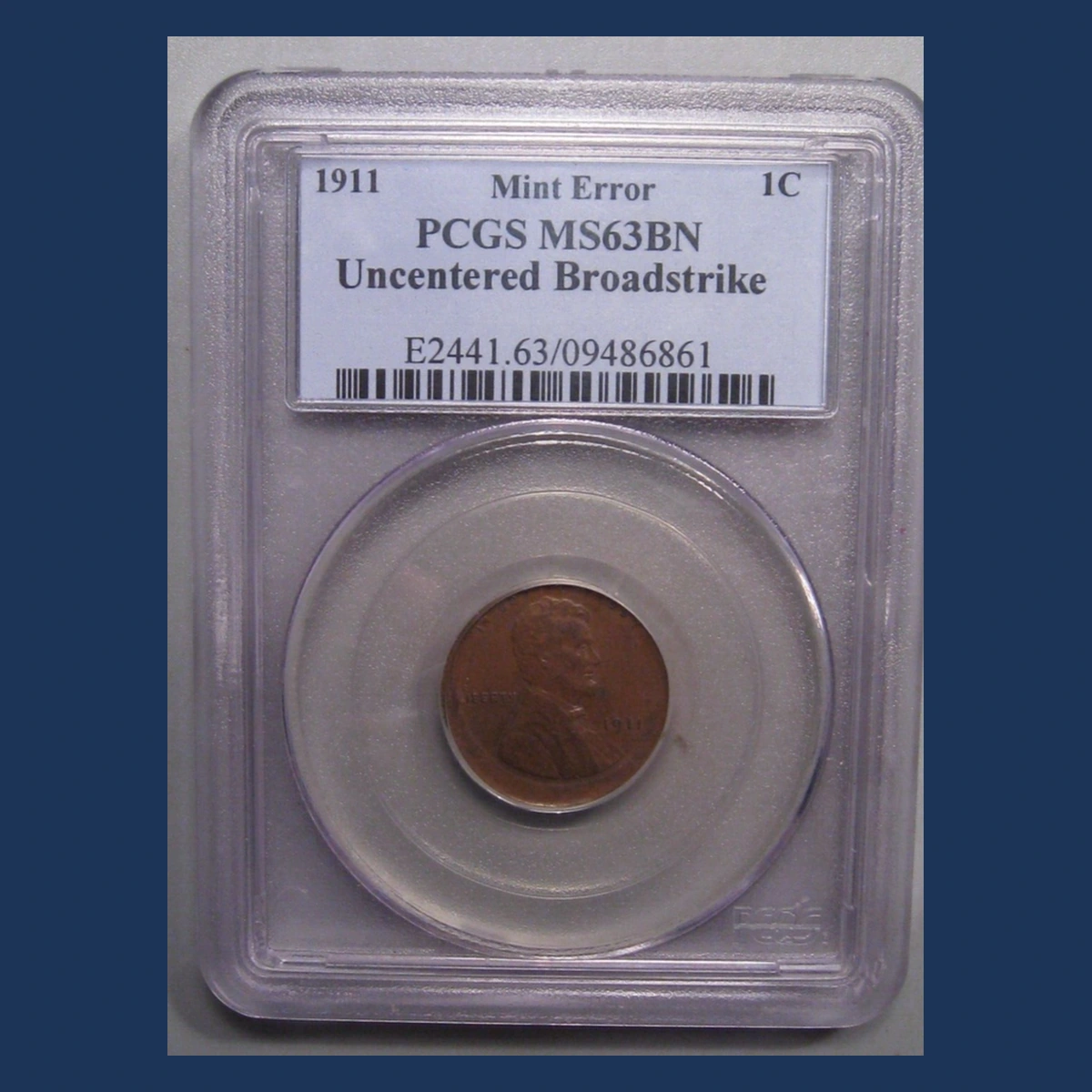
The border may extend beyond normal size even though the design stays centered. A broadstrike forms when the collar, the ring controlling the coin’s edge, fails to contain the copper.
The metal spreads under pressure without losing the complete intended design. This differs from an off-center strike that pushes part of that design beyond the disc.
The Stack’s Bowers 1911-S example was graded NGC MS63 Brown. Its catalog describes a centered strike with clear details despite the expanded shape.
Flattening a finished penny can imitate extra width. The rim and original design must support the mint-made explanation.
Estimated Value
An estimated $100–$1,200 covers genuine 1911 broadstrikes, including the underlying value of earlier mintmarked examples. Better-preserved San Francisco coins can support stronger prices than worn common-date comparisons.
The 1911-S catalog confirms the error, but no sale amount is quoted here. A 1919 broadstrike with an additional rotation brought $431.25 in 2006, providing a different-year compound-error comparison.
That result is not interchangeable with the 1911-S coin. Preservation, mint, and the extra rotation all affect the comparison.
How to Identify
Weigh the coin and measure its width in several directions. The ordinary comparisons are 3.11 g and 19.05 mm, using a scale and calipers.
Extra width with roughly normal mass could fit spread metal, but later flattening can produce that combination too. Examine the plain edge through a 10× magnifier for crushed or folded surfaces.
Now compare the face with the recorded San Francisco broadstrike. Its design stays centered and complete despite the enlarged border.
Follow the upper lettering into the narrowest part of the border, then check the back. Read each outer word in that tightest area; complete intended lettering is the useful distinction from an off-center design that falls beyond the disc.
8. 1911 Lincoln Wheat Penny Double and Triple Strikes (Estimated Up to $2,000)
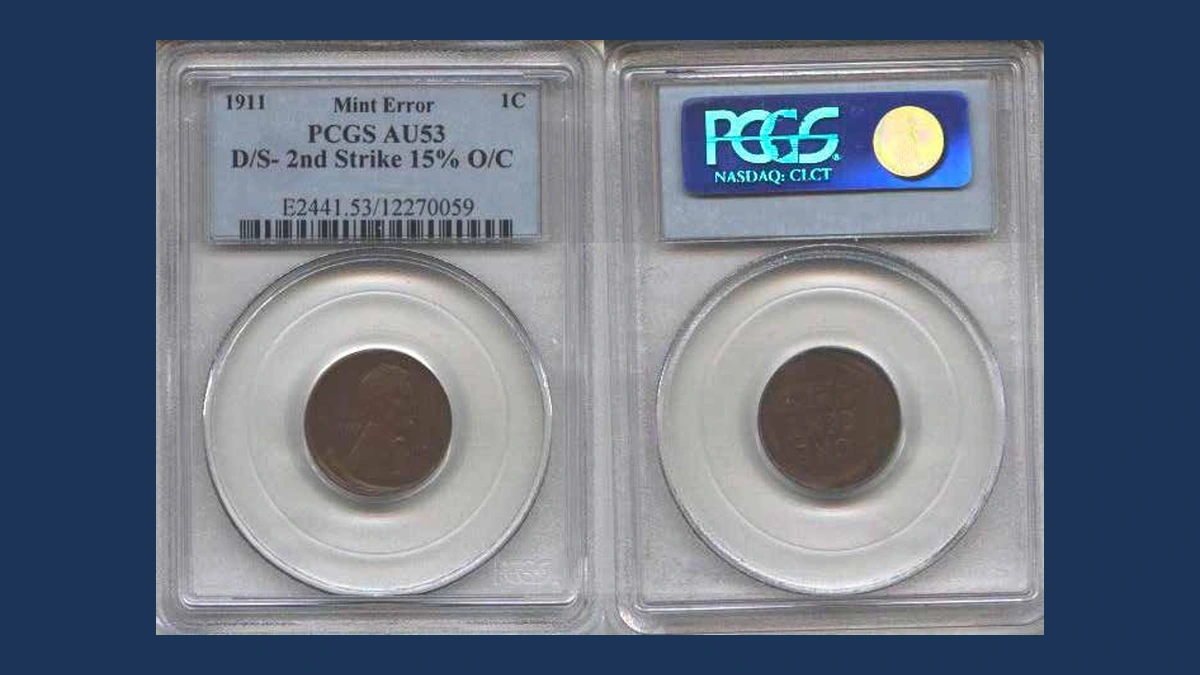
Several impressions can remain when a penny receives extra blows. Movement between blows leaves earlier and later outlines in different positions.
A Philadelphia example graded PCGS AU53 has a centered first strike and a second strike 15% off center. A separate PCGS VF25 example has a 10% second displacement.
A dealer catalog also describes a 1911 triple strike, with the second and third blows broadstruck and slightly rotated. The repeated outlines show especially in the letters.
These are related repeat-strike errors. The triple-struck example’s mint, exact angles, and certification should not be assumed from the other coins.
Estimated Value
An estimated $250–$2,000 covers genuine 1911 double and triple strikes. Clear surviving impressions and attractive original copper help support the stronger end.
The estimate uses related early Wheat cent errors rather than a confirmed sale amount for the reported 1911 pieces. A 1919 triple-struck cent graded MS64 Brown sold for $1,020 in March 2025.
That comparison has a different date and known grade. The number of strikes alone does not determine a coin’s value.
How to Identify
Choose a letter with two clearly separated positions and mark both on a photograph. For the reported double strikes, compare the centered first design with the displaced second impression.
The triple-struck example needs three impressions and has extra spread from its later blows. Do not give it the grades or mint identities of the separate double-struck coins.
Use a scale against 3.11 g and calipers against 19.05 mm, then inspect the plain edge for artificial squeezing. A 10× magnifier can show where one impression presses over another.
Check whether the repeated lettering turns slightly on the triple-struck piece. Move to another letter and mark its positions too; the two sets should follow the same sequence of movements.
Conclusion
From estimated $3 cracks to $2,000 multiple strikes, these 1911 errors offer very different things to look for. A second mintmark stroke needs close comparison, while an expanded or shifted coin requires a view of both faces and the edge.
Judge each penny as a complete object. Mint, wear, original surfaces, and any combined errors all affect the price, so one unusual detail never tells the whole story.