1937 Penny Error List with Pictures

One empty crescent helped a 1937 penny bring $126 at auction. That twenty-percent off-center coin shows how a visible striking mistake can add interest without needing a famous rare date.
The 1937 penny error list also includes tiny mintmark outlines, doubled eyelids, and larger press mistakes. Estimated values run from $3 to $3,000, depending on the error and the coin.
Use the pictures and checks below to separate these different clues.
1. 1937 Lincoln Wheat Penny Repunched Mintmark
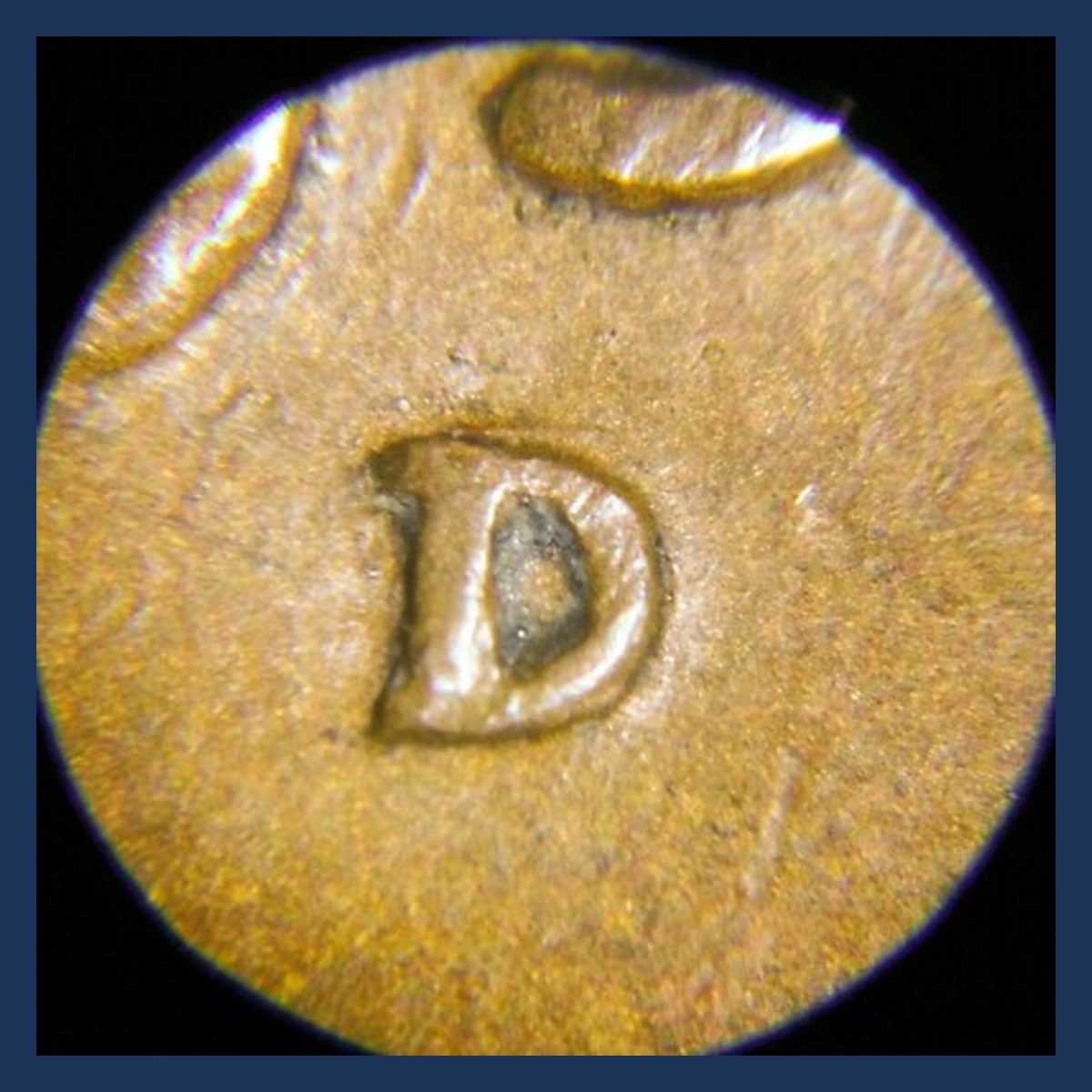
An extra curve around the D or S can be part of an earlier mintmark impression. Workers added the letter with a hand punch when preparing the die, the steel stamping tool.
A slight change in position between blows left more than one outline. The finished tool then copied those outlines onto many coins.
Denver varieties include extra marks above, below, and beside the main D. Some show three punch positions.
The two listed San Francisco varieties have extra S details toward the left, but their smaller identifying marks differ.
Estimated Value
Estimated prices of $3–$100 cover modest 1937 repunched mintmarks through stronger, attractive examples. This is an estimated collecting range rather than a sale for each numbered variety.
A clearly visible extra curve is easier to appreciate than a faint thick spot. Wear and marks can hide the separation, even on a genuine coin.
For the Denver triple-punch varieties, the additional outlines must be visible before a larger premium makes sense.
How to Identify
The letter below the date tells you which photographs to use, but it does not tell you the repunching direction. Denver examples can have extra details above, below, or beside the main D.
D-WRPM-007 has reported traces below and toward the upper left; a 10× magnifier and an adjustable lamp help reveal them. Both listed S varieties point left, so their smaller marks distinguish them in the Wexler photographs.
A loose ordinary cent should be near 3.11 g and 19.05 mm on a scale and calipers. Within those normal dimensions, the extra stroke still needs to form a curved letter remnant rather than a flat shelf.
2. 1937 Lincoln Wheat Penny Clipped Planchet
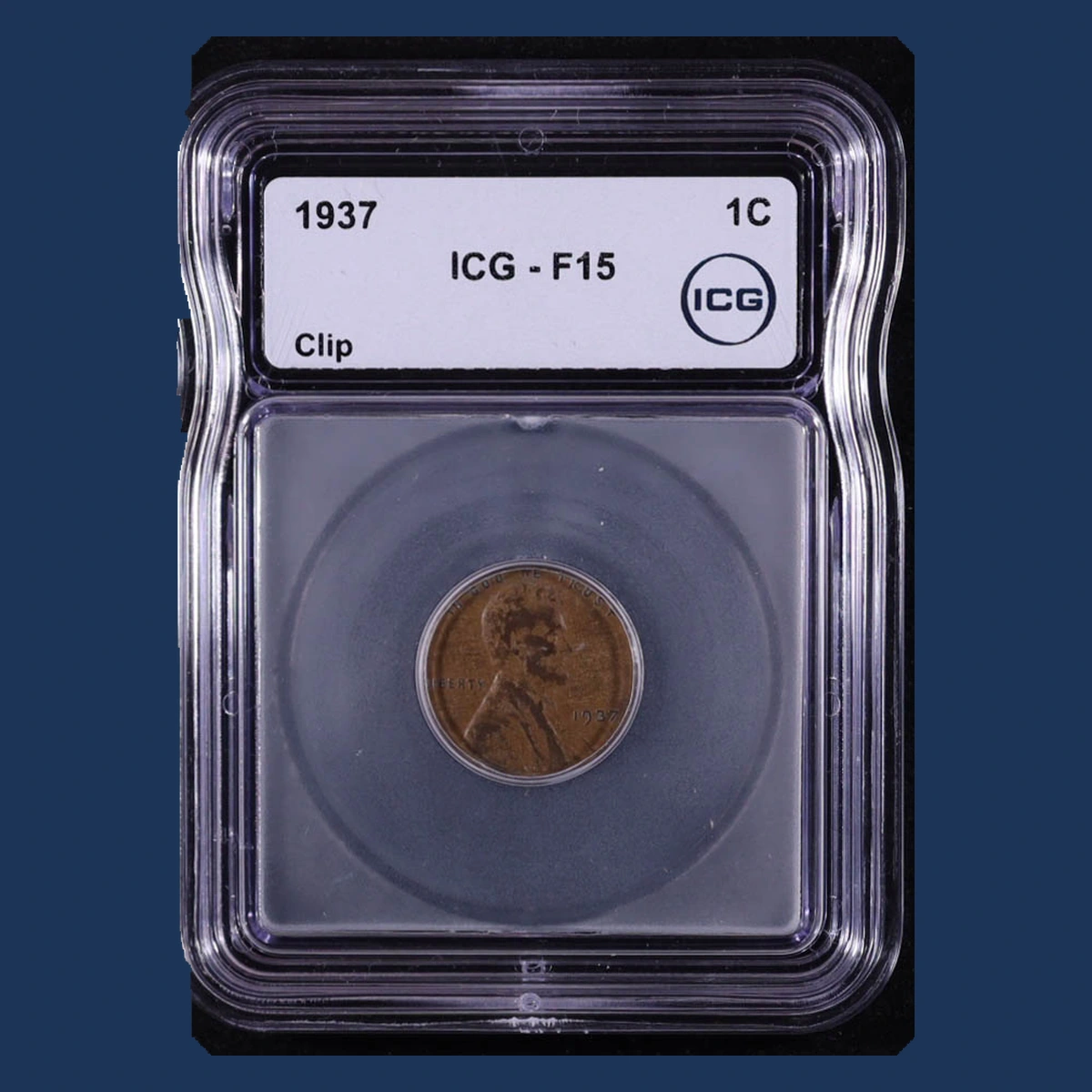
A small missing piece at the edge is easy to overlook on a worn penny. A clipped planchet is a coin blank that was incomplete before the design was struck.
The blank-cutting machine may overlap an earlier hole or reach an unfinished edge of the metal sheet. The press later stamps the incomplete blank.
A Philadelphia 1937 cent with a small clip appears in a published example. Its exact gap shape is not specified there.
The important question is whether the nearby rim formed around missing metal, rather than being cut away afterward.
Estimated Value
Budget an estimated $10–$150 for a small, genuine 1937 clip. The range allows for worn pieces as well as attractive examples with a plainly visible gap.
As a different-year comparison, a 1920 cent with a seven-percent curved clip sold for $49 in March 2025. PCGS graded it AU55, meaning light circulation wear.
That sale illustrates an affordable early Wheat-cent clip, not the price of the reported 1937 coin.
How to Identify
A small clip may remove too little metal for a kitchen scale to show clearly. Use a precise scale and compare with the ordinary 3.11 g weight, allowing for wear.
Calipers can measure a surviving full span against 19.05 mm. Neither number alone proves how the gap formed.
The stronger evidence lies beside the missing piece: examine the nearby letters and rim with a 10× magnifier. Their strike can weaken where metal flowed toward the incomplete edge.
Check the opposite rim as well, although weakness there is not guaranteed. Photograph both ends of the gap closely enough to reveal filed grooves or sharp cuts through finished detail.
3. 1937 Lincoln Wheat Penny Retained Die Breaks and Early Cracks
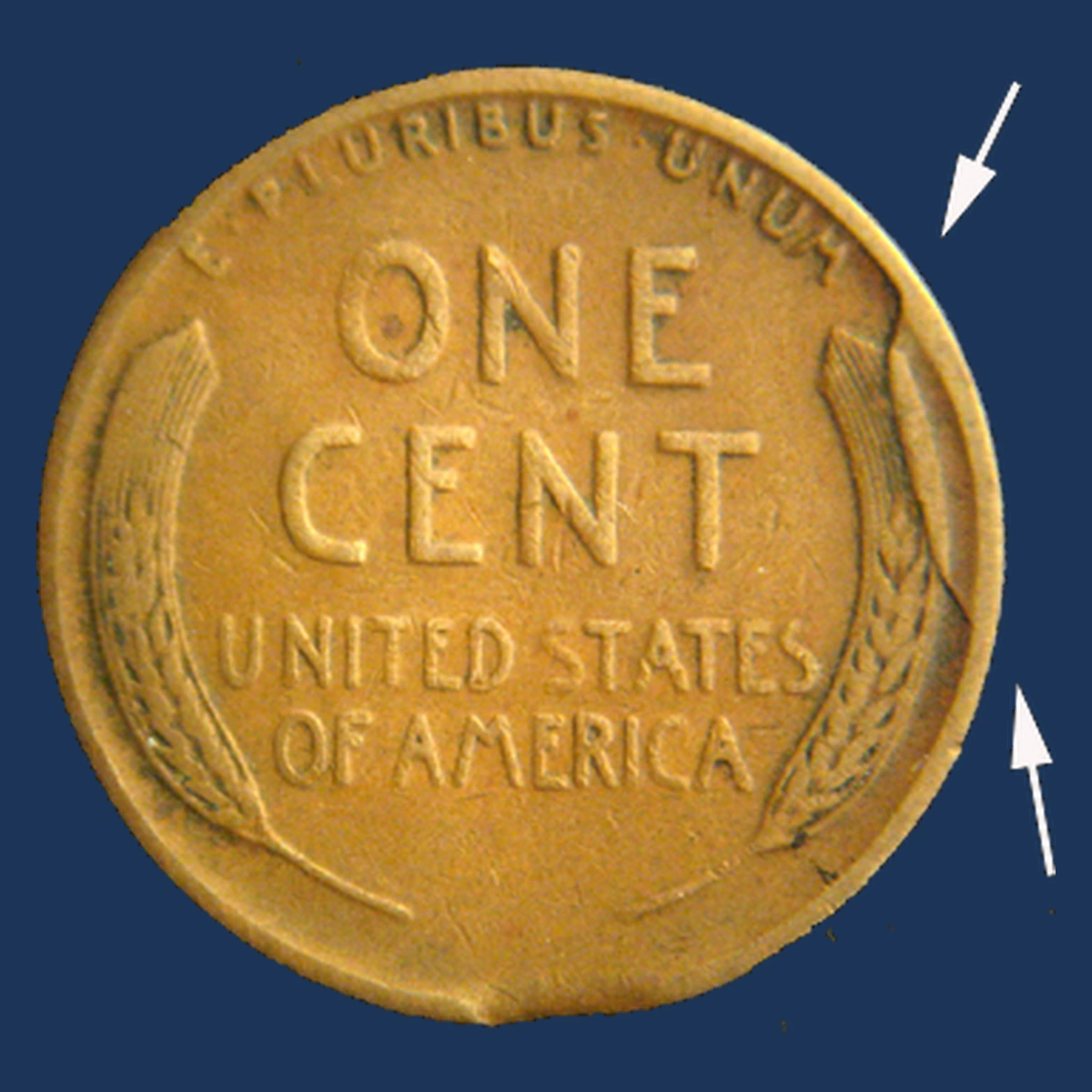
An outlined patch near the rim may still contain parts of the original design. The broken section of the stamping tool stayed in place instead of falling out completely.
Collectors call this a retained die break. If the loose piece shifts, its outline or height can change on later coins.
The 1937 listings also include earlier cracks before a larger break developed. A thin raised line should not be described as a fully missing tool section.
Several examples affect the back, while the exact side and position depend on the individual variety.
Estimated Value
Early cracks have an estimated value of $5–$30. More visible retained breaks can range from about $25–$250 when their shape and surface are clear.
These are estimates for the strength of the feature, not separate auction results for each stage. A tiny line can be interesting without carrying the price of a large shifted patch.
Wear, corrosion, and a damaged edge can obscure the details collectors need to see.
How to Identify
First compare the outlined patch with the individual Cuds on Coins photographs. The 1937 numbers describe different shapes, so a crack anywhere near the rim is not enough.
Under a 10× magnifier, see whether lettering remains inside the outlined area. A trapped tool section may still stamp design even after it shifts slightly.
A scale and calipers can check a loose coin against 3.11 g and 19.05 mm. These measurements help expose added metal, but a genuine tool break normally leaves the basic coin size unchanged.
Move the light across a thin line. A crack from the stamping tool rises above the surface, unlike a scratch cut into it.
4. 1937 Lincoln Wheat Penny Broadstrike
A broadstruck penny can look too wide for its design. Metal spread outward because the collar, the ring around the blank, did not restrain it normally.
The full design remains on the coin, although its border may be uneven. This differs from an off-center strike that loses part of the design beyond the blank.
An NGC MS66 Brown 1937 example appears in the Heritage archive. The grade describes an unworn coin with few marks and brown copper surfaces.
Its width is a striking feature, not evidence that extra copper was added.
Estimated Value
The NGC MS66 Brown broadstrike sold for $99 in April 2020. That actual result provides a useful comparison for an attractive 1937 example.
An estimated $40–$300 covers worn, plainly expanded coins through better preserved pieces with a strong visual effect. Brown color alone does not make a copper error unattractive.
Compare the completeness of the design and original surface before paying more simply for a larger-looking outline.
How to Identify
Record the widest and narrowest spans with calipers before judging an uneven border. Compare them with the normal 19.05 mm diameter and check the loose coin’s weight against 3.11 g on a scale.
Extra width does not require extra metal. The blank can spread during striking while retaining approximately its original weight.
Trace the outer lettering on both faces under a 10× magnifier. Broadstriking should keep the intended design within the expanded metal, even when its border looks uneven.
Hammering can also spread a finished cent. Inspect the widest edge for crushed letters or impact marks that would show the expansion happened after the design was already complete.
5. 1937 Lincoln Wheat Penny Off-Center Strike
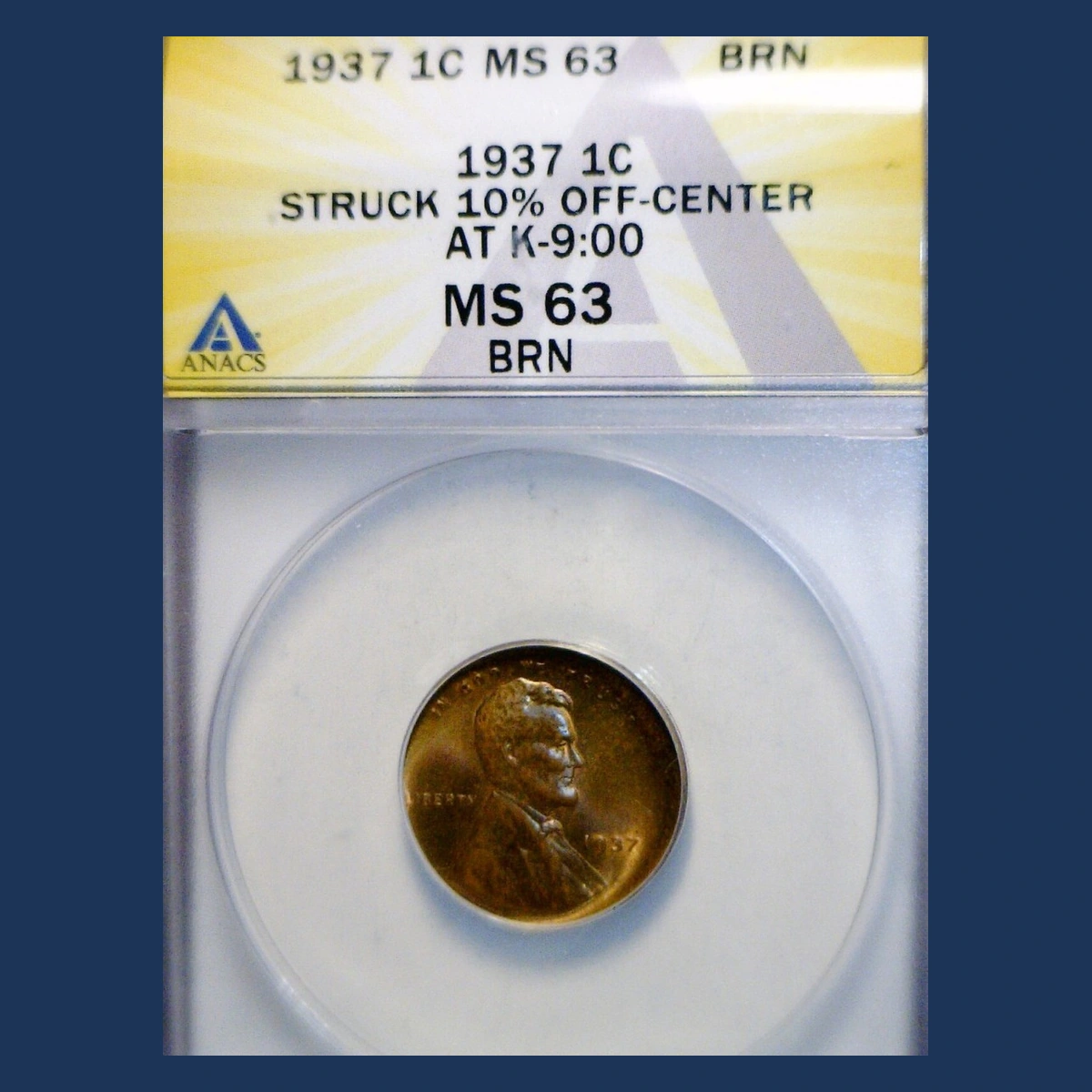
A bare crescent beside Lincoln is the most obvious sign of an off-center strike. The blank arrived partly outside the proper striking position.
Only the area between the two tools received the design. The unused metal stayed largely smooth, while some letters or portrait details never reached the coin.
Published 1937 examples include a fifteen-percent displacement and a separate twenty-percent coin. Their mintmarks and directions should be checked individually.
A percentage describes the degree of displacement, not the amount of copper missing. The coin can retain its original weight even with a large blank area.
Estimated Value
A twenty-percent off-center 1937 cent graded PCGS MS64 Brown sold for $126 in September 2019. MS64 means an unworn coin with some visible marks.
For the type, estimate $40–$400 according to displacement, condition, and the readable date. A clear 1937 makes the coin easier to collect by year.
Do not transfer one example’s percentage or price to another simply because both show an empty crescent.
How to Identify
Trace the boundary between the stamped design and the bare crescent.
The edge of the design should end naturally where the blank left the striking area.
A 10× magnifier helps show whether someone has ground the design off a normal coin. Grinding leaves an altered surface rather than untouched blank metal.
Photograph both faces in the same orientation and check where their designs are missing. A displaced border on only one side may have a different cause.
For a loose example, use a scale and calipers to compare with 3.11 g and 19.05 mm. Begin your comparison with the readable date and the matching blank area on both sides.
6. 1937 Lincoln Wheat Penny Struck Through a Fragment
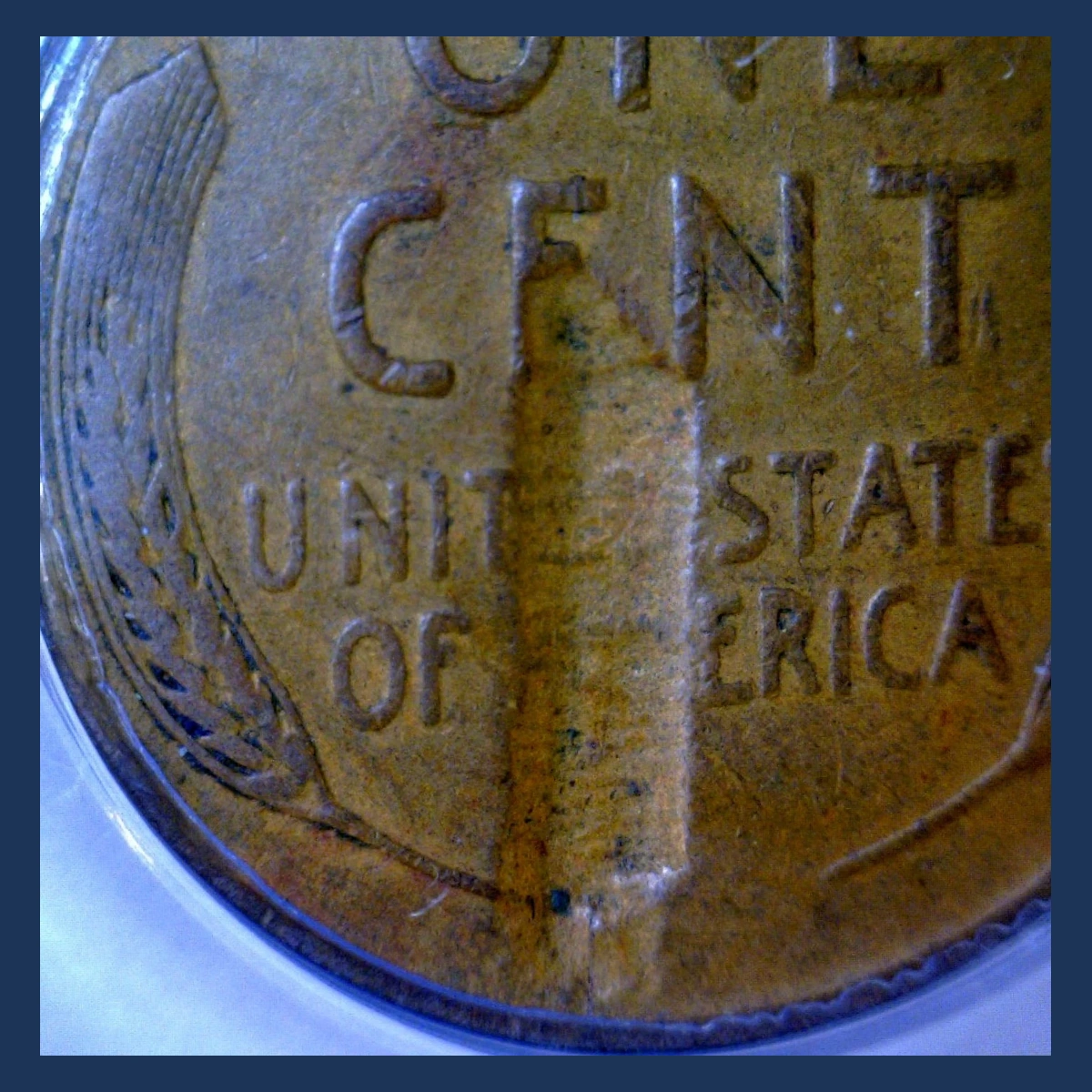
Part of Lincoln’s face is interrupted on a reported 1937 struck-through coin. A fragment lay between the blank and the stamping tool when the press closed.
The obstruction stopped that part of the portrait from forming normally. Its shape can leave an impression that looks quite different from ordinary wear.
A Heritage catalog lists an NGC MS63 Brown example struck through a previously struck fragment. This means the interfering piece itself had already received a coin design.
That description does not establish that the fragment remains attached to the penny today.
Estimated Value
An estimated $100–$750 suits a clear 1937 fragment strike, with the impression’s size and readability carrying much of the appeal. This is an estimate, not a newly confirmed sale result.
The published year guide reports $515 for an MS63 Brown example. It is a reported figure rather than an independently matched price here.
A recognizable impression in Lincoln’s portrait is more persuasive than a small unexplained dent or dark patch.
How to Identify
Study the interrupted part of Lincoln’s face under a 10× magnifier. Look for a defined impression and any small design traces left by the interfering fragment.
A later punch or blow can also damage the portrait. Check for freshly pushed metal around the depression and sharp cuts that cross already struck details.
Do not probe anything that appears attached.
Photographs from low angles can show a raised piece or a sunken impression without disturbing it.
The usual coin is 3.11 g and 19.05 mm; a scale and calipers check a loose example, while holder records suit a sealed one. Focus on how the fragment’s outline interrupts the original portrait, not merely how unusual the face looks.
7. 1937 Lincoln Wheat Penny Double Strike
Two portraits or shifted groups of letters can reveal a second strike. The first completed coin remained in the press area instead of moving away normally.
A later blow stamped another design across it. Depending on how the coin moved, the overlap may be slight or spread across much of the face.
A worn Philadelphia 1937 example appears in a published auction account. That short account does not establish the precise position of the coin between blows.
The useful feature is a second coherent design, rather than a fuzzy edge beside one letter.
Estimated Value
Estimate $150–$1,500 for a genuine 1937 double strike, with obvious overlapping designs and preserved surfaces supporting the stronger prices. The range reflects the error’s appearance rather than a fixed premium for this date.
A published account reports $190 for a worn Philadelphia piece sold in 2000. That older reported result gives context but does not set today’s price for every example.
The visibility of the second strike matters more than simple doubled-letter wording.
How to Identify
Choose one repeated design element and follow it across the coin. A second portrait edge, date, or group of letters should occupy a consistent second position.
Tiny extra outlines around just a few letters could instead come from a doubled stamping tool. A 10× magnifier will help separate these appearances.
Check the coin’s outline as well. A second blow may alter it, so a caliper reading different from the normal 19.05 mm does not alone disprove the error.
Use a scale to compare its weight with 3.11 g, and inspect for added or pressed-on metal. Identify two readable sets of struck detail that fit the coin’s two different positions.
8. 1937 Lincoln Wheat Penny Doubled Die and Inherited Doubling
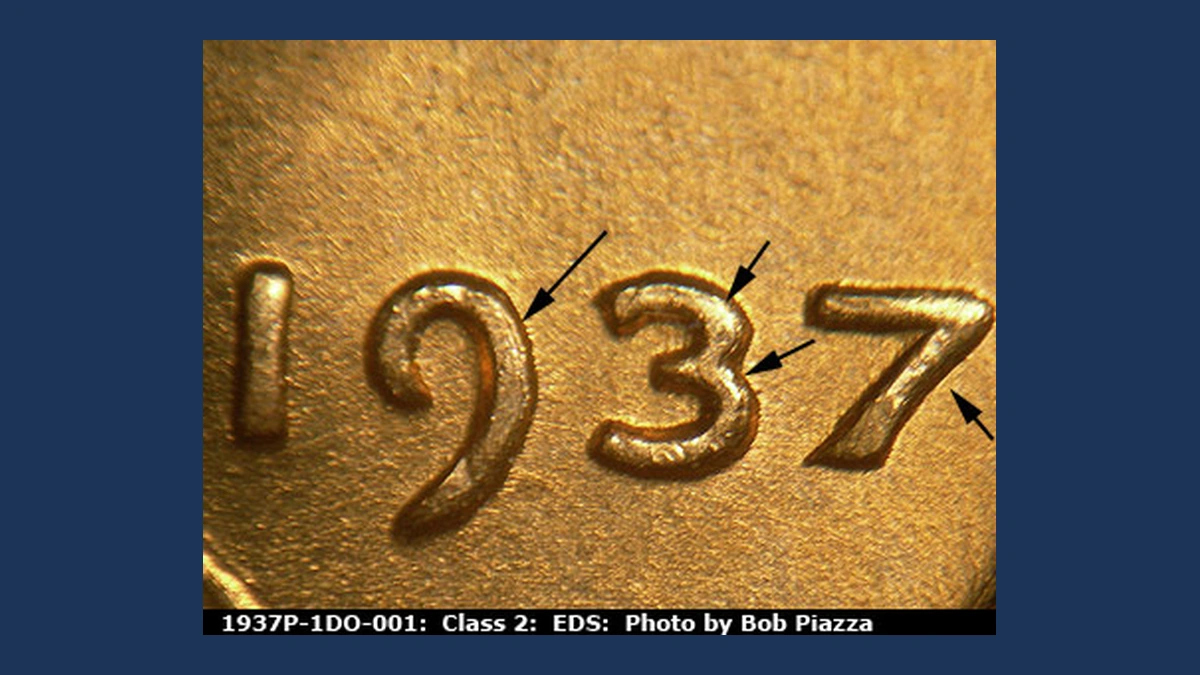
Some 1937 cents show a second eyelid, thicker letters, or separated wheat details. The doubled design was already present in the tools used to make them.
Several Philadelphia tools also inherited slight doubling from an earlier tool used to make working dies. That shared feature should not be mistaken for a rare individual variety by itself.
Other examples have their own additional details, including different doubled eyelids. Denver and San Francisco varieties affect both faces.
A Philadelphia proof, a specially made collector coin, also has a listed doubled back design near the left wheat ear.
Estimated Value
Estimate $3–$150 for ordinary-strike examples, depending on the exact variety and strength of the doubling. Slight inherited doubling belongs near the lower end.
For the proof back variety, an estimated $200–$2,000 includes the collector coin’s underlying value as well as its unusual design. It is not a pure error premium or a recorded variety sale.
Color, surface preservation, and a correct match to the variety photographs are essential comparisons.
How to Identify
Decide whether the coin is an ordinary strike or a proof before choosing comparison photographs. Both Philadelphia types lack a mintmark, so the missing letter cannot answer that question.
For the proof back variety, inspect the left wheat ear and its stem with a 10× magnifier. An ordinary-front extra eyelid requires an entirely different comparison.
A scale and calipers check normal standards of 3.11 g and 19.05 mm on a loose coin. Neither measurement can tell which doubled tool struck it.
Philadelphia WDDO-005 places the extra eyelid above the main one, while several others put it below. Compare that small line’s actual position before naming the variety.
9. 1937 Lincoln Wheat Penny Reported Wrong Planchet
A published year guide lists a 1937-S cent struck on a blank intended for a different coin. The description calls the coin Fine, meaning well worn but still showing its main design.
It does not name the intended denomination or give the blank’s metal content. Those missing details prevent a useful claim that this particular penny is silver or foreign.
The error type remains straightforward: the wrong prepared blank entered the cent press. Its weight, width, or metal should then fit that different blank rather than a normal copper cent.
Estimated Value
For a confirmed 1937-S wrong-planchet cent, use an estimated $500–$3,000, adjusted after identifying the actual blank. This is a conditional estimate, not a verified price for the reported coin.
A different-year comparison is the 1941-D cent on a silver dime blank, graded NGC AU58. Mint Error News reports its September 2024 sale at $2,640.
That known silver example illustrates the mechanism without establishing the 1937 coin’s metal.
How to Identify
The reported blank has no established denomination, so do not begin by calling it a dime blank. Start a measurement record for the individual coin.
Weigh it on a precise scale and measure its diameter with calipers. The cent standards are 3.11 g, 19.05 mm, and an alloy containing 95 percent copper.
Inspect the edge under a 10× magnifier for filing or a coating. These alterations can change weight, width, or color after a normal penny has left the Mint.
A professional non-destructive metal test can then identify what the coin actually contains. Match its measured metal and dimensions to the proposed blank, rather than assigning silver or a foreign country from appearance.
Conclusion
From a $3 mintmark variety to a confirmed wrong-planchet example estimated near $3,000, 1937 errors offer very different things to examine. A clear photograph matters most when the feature is tiny.
Check the eye, lettering, and mintmark against the right variety, then turn the coin to examine its edge. Keep actual auction results separate from estimates when comparing prices.
Leave uncertain metal identities to measurements and a professional test.