1794 Half Dollar Error List with Pictures

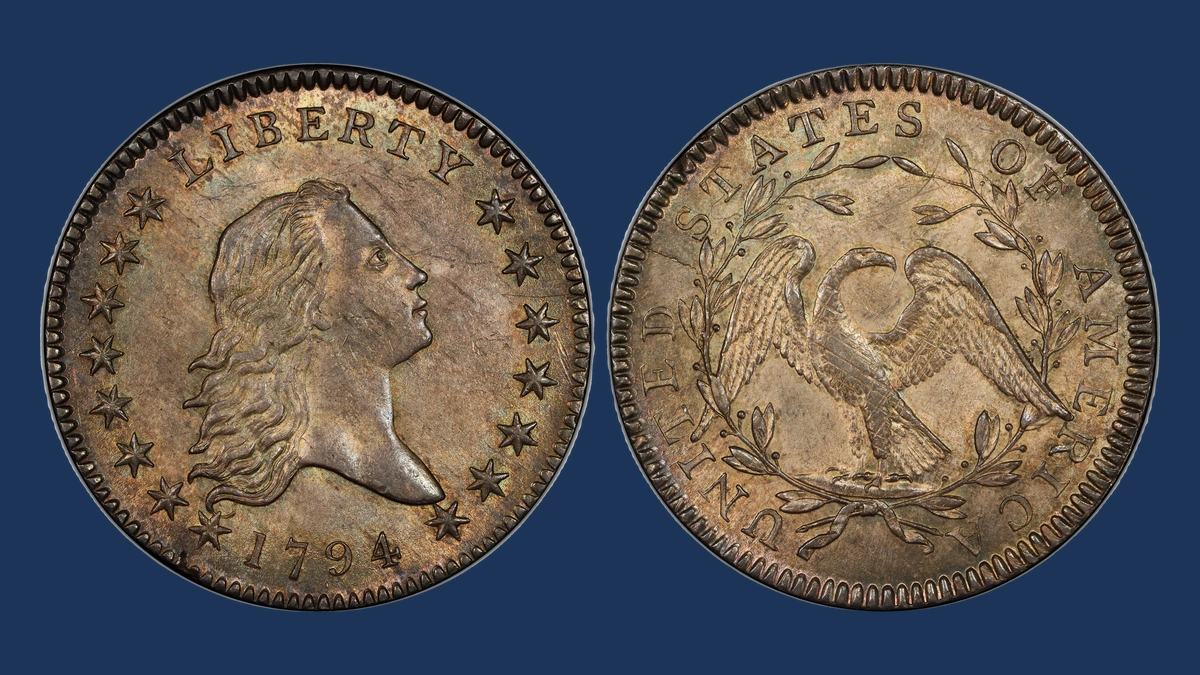
A tiny overlap on a coin’s edge can be easy to miss. One silver 1794 half dollar with overlapping edge ornaments sold for $705,000 in April 2015.
This guide covers three 1794 half dollar errors, with estimated values from $5,000 to $750,000 for the examples described. That huge upper figure belongs to one exceptional rarity.
Look beyond the date. Read on to find the raised line, broken border, and edge detail that tell these coins apart.
1. 1794 Flowing Hair Half Dollar Obverse Die Crack Error (Estimated Up to $10,000)
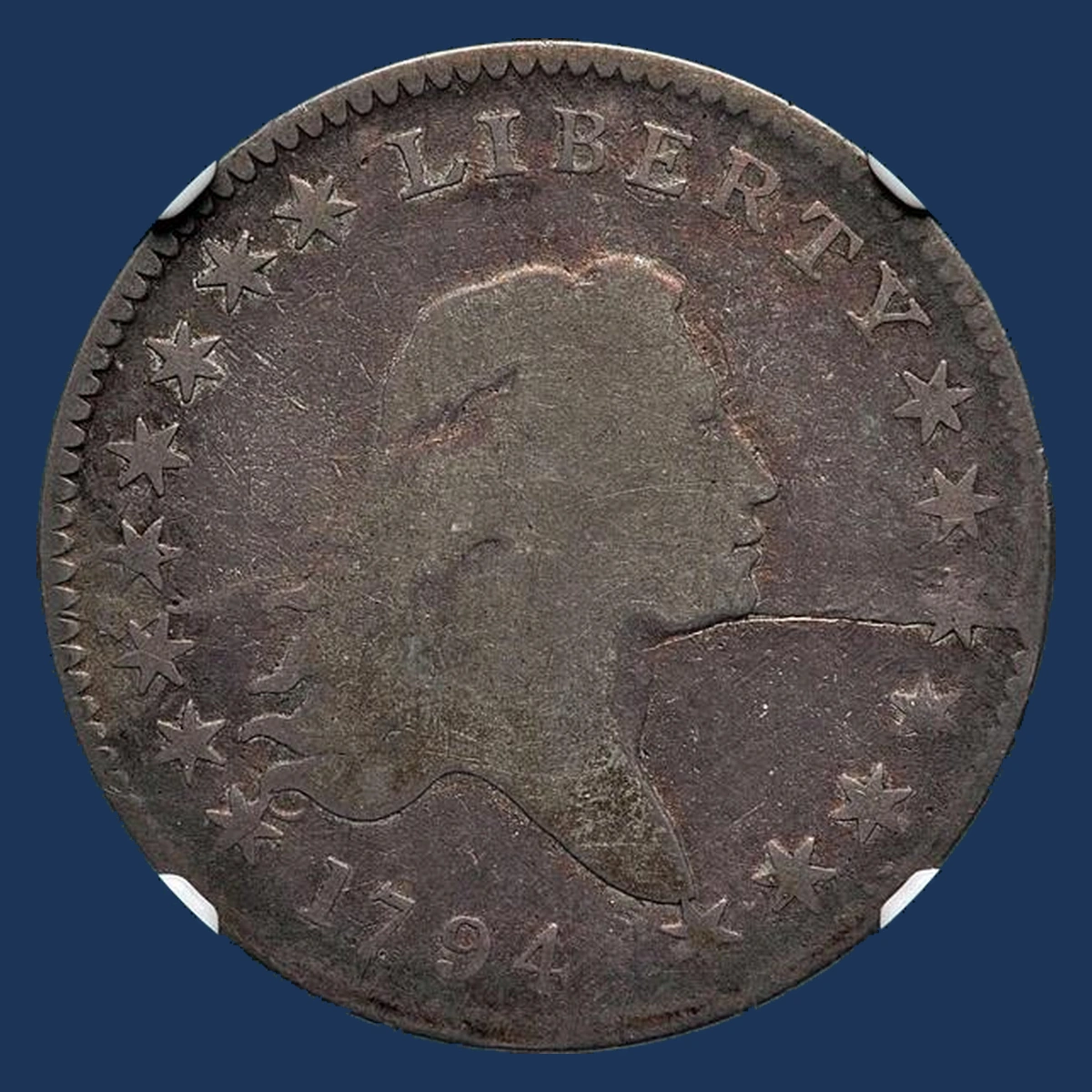
A thick raised line crosses parts of Liberty’s portrait on this 1794 half dollar. It begins at star 3 and heads across the bust, near the lower chin, toward star 11.
The John Reich Collectors Society describes this feature on an O-104a example. O-104a is a catalog number used to identify this coin variety.
The coin itself did not split. A die, the steel tool that stamped its design, cracked instead.
Silver filled that crack during striking and formed a ridge. Its length can differ as the tool wears and breaks further.
Estimated Value
A heavily worn example offers a useful starting point. Heritage sold an NGC Good 6 O-104a for $5,318.75 in July 2012.
Estimate $5,000–$10,000 for similar circulated coins with this crack. Clearer detail and surfaces without damage can support a higher price.
Remember what you are buying: a scarce first-year half dollar. The sale price includes that coin’s value, rather than showing a separate charge for the crack.
How to Identify
Count to star 3 on the lower left of the front. Follow any raised line toward Liberty’s chin with a 10× magnifier.
Move a lamp to one side. A ridge catches light along its top, while a scratch cuts into the surface.
Wear may hide part of the line, so compare several points along its path. Cleaning marks or stains can look connected in a single photograph.
Check the whole coin too: flowing hair, a small eagle on the back, and lettering around the edge. An unworn example weighs 13.48 grams and measures about 32.5 millimeters; use a digital scale and calipers.
For a quick match, compare the raised path with a photographed O-104a example.
2. 1794 Flowing Hair Half Dollar Reverse Cud Error (Up to $10,200)
Look above ER in AMERICA on the back. A raised patch joins the rim where normal border detail should appear.
Collectors call this a cud. It forms when a piece breaks off the edge of a die and silver fills the open space during striking.
A cud covers an area rather than leaving just a thin line. The known 1794 examples discussed here belong to the O-104 variety.
Check both faces separately. A coin can have this patch on the back without the long crack across Liberty on the front, so one feature does not prove the other.
Estimated Value
The visible patch above ER helped identify a PCGS VF30 coin sold by Stack’s Bowers. It brought $10,200 in August 2022, despite lacking the long front crack.
Comparable examples with moderate wear have an estimated range of $7,000–$11,000. Grades from Fine to Very Fine describe that general level of wear.
Repairs can lower the price. Buyers also consider the coin’s remaining detail and the scarcity of this particular variety.
How to Identify
The letters ER give you a fixed place to start. Hold AMERICA upright and inspect the rim just above those two letters.
The patch should rise from the surface and meet the rim. Use a 10× magnifier and angled light to see its shape clearly.
A dent can push metal inward from the edge, but it often leaves crushed detail nearby. Compare that damage with the smooth raised area in a documented cud photograph.
A digital scale should show about 13.48 grams on an unworn coin; wear reduces that weight. Calipers should read roughly 32.5 millimeters, and the edge carries lettering.
Matching the patch above ER to a known example is the most direct check.
3. 1794 Flowing Hair Half Dollar Overlapping Edge Ornaments Error (Up to $705,000)
FIFTY CENTS OR HALF A DOLLAR runs around the edge, with small decorative symbols beside the words. On this silver O-109 coin, some symbols overlap where the inscription begins and ends.
Specialist Bradley Karoleff described the overlap. The words themselves are not reported as fully doubled.
A machine called a Castaing machine pressed the lettering into the edge before the coin’s faces were stamped. This gives the feature a different cause from a crack or cud.
Silver matters here. Copper test pieces also exist with the same face designs.
Estimated Value
This is an exceptional coin, not a typical edge error. The silver O-109 graded NGC VF25 sold at Heritage for $705,000 in April 2015.
An estimated $500,000–$750,000 applies to that rare silver specimen, using its historical sale as a guide. Its identity and recorded ownership history carry much of the value.
An overlap on another 1794 half dollar does not make it equally valuable. The coin must be the same rare variety.
How to Identify
Start with photographs of the complete edge. You need to see where the decorative symbols meet, which a normal front or back photograph cannot show.
Under a 10× magnifier, the symbols should be pressed into the edge. Scratches and later marks will not reproduce the documented ornament shapes.
Keep those views with photographs of both faces of the same coin. The O-109 number identifies a specific pair of stamping tools, so the face details must match too.
A silver example normally weighs 13.48 grams and measures about 32.5 millimeters; check a loose coin with a digital scale and calipers. Copper test pieces need separate identification.
Confirm the rare silver specimen by matching its face details, edge overlap, and recorded history together.
Conclusion
A raised line, a rim patch, and overlapping edge symbols each tell a different story. Estimated values here run from $5,000 to $750,000, depending on the exact coin and its condition.
Most of that spread comes from the rare silver O-109 specimen. For any example, examine all three surfaces and match the visible feature before connecting it to an auction price.