2008 Penny Error List with Pictures

Lincoln and the Memorial normally occupy opposite faces. Seeing pieces of both on one face can point to an extra strike—or to a very different kind of transferred design.
Our 2008 penny error list explains those differences, with estimates from $2 to $2,000. An older wrong-blank cent sold for $372 in September 2025, while many small raised marks are worth far less.
Explore the features below before matching an unusual penny to a price.
1. 2008 Lincoln Penny Doubled Die (Estimated Up to $150)
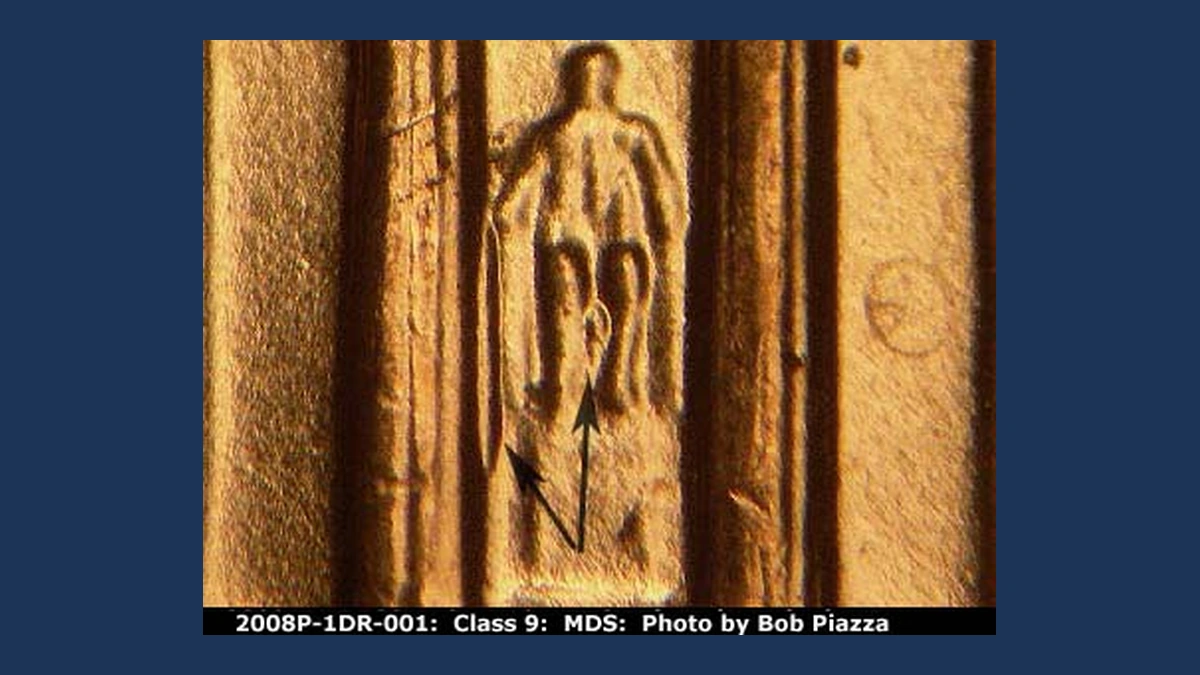
Extra thickness beside 2008 or LIBERTY may lead collectors to suspect a doubled die. A die is the steel tool that stamps the coin’s design.
If that tool already carries repeated detail, coins made with it can repeat the same feature. Reports also mention the eye and ear.
The Memorial-column doubling category needs a separately identified back-side example. It should not be treated as a required partner to front-side doubling.
An apparent extra beard is a different reported clue associated with tool contact. Its nickname alone does not establish that the portrait was doubled.
Estimated Value
A minor, identified doubled die can be estimated at $5–$40. More distinct separation on an attractive unworn penny may support about $40–$150.
These estimates compare modern Lincoln varieties, not famous early doubled dates. The back-side range applies only after its repeated feature is properly identified.
General swelling from a worn tool usually creates less collector interest. No particular 2008 auction result is assigned to every doubled-looking date, letter, or Memorial column.
How to Identify
Choose the correct normal comparison first. A 2008 penny has the Memorial back, not the Shield design used from 2010 onward.
Examine the date, LIBERTY, and reported portrait detail with a 10× magnifier. For a suspected back-side variety, compare individual columns rather than assuming that any thick column is doubled.
A scale and calipers can check an accessible coin against 2.50 g and 19.05 mm. The edge is normally smooth.
Change the light direction to remove misleading bright borders. Flat steps from striking movement differ from a repeated raised shape.
The useful match is a specific extra outline in the same place as a confirmed example of that variety.
2. 2008-D Lincoln Penny Die Clash (Estimated Up to $150)
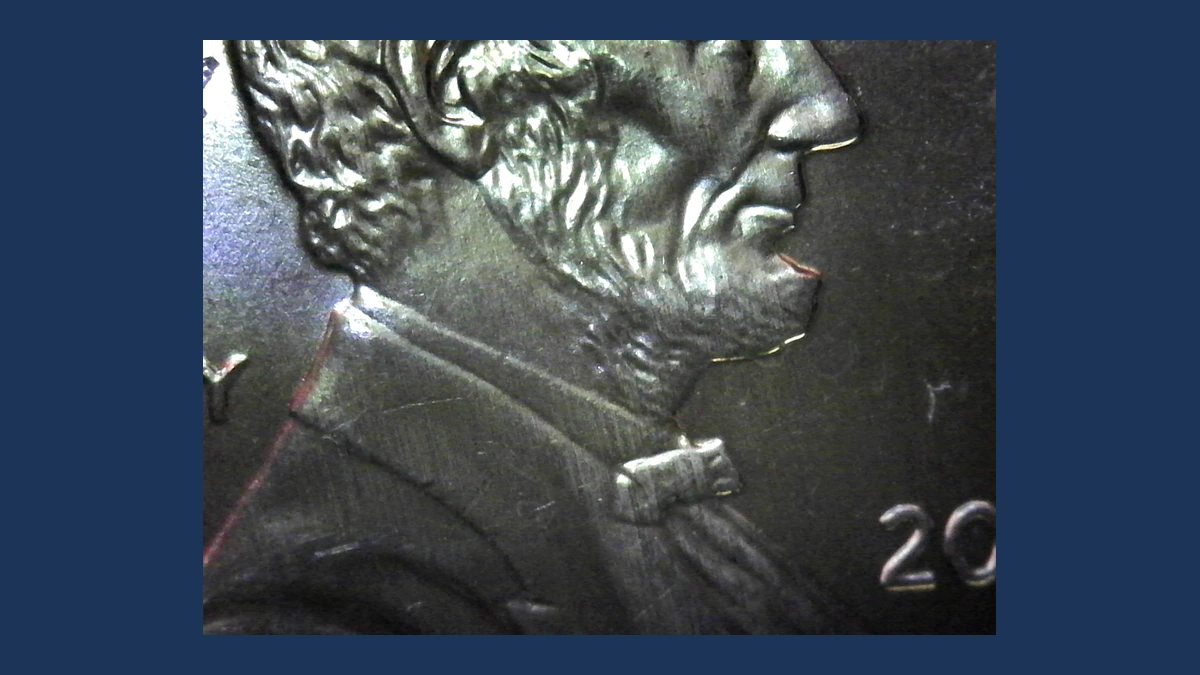
Faint extra lines near Lincoln can resemble an added beard. Some 2008-D reports use that description for marks linked to a die clash.
A clash happens when the front and back stamping tools strike each other without a blank between them. Their contact can damage the tools with traces of the opposite design.
Later coins may carry those traces. They need not show a complete second portrait or building.
The beard nickname is only a starting point. A scratch or a different tool defect can make Lincoln look unusual without proving the reported cause.
Estimated Value
An estimated $5–$150 covers faint identifiable clashes through stronger, attractive examples. The upper part needs recognizable design traces, not just an unexplained patch under Lincoln’s face.
This range comes from comparable modern cent clashes. It is not a verified price for a particular 2008-D “extra beard” coin.
Surface condition helps determine appeal. Wear can hide a real clash, while heavy scratches can make its lines harder to separate from damage acquired after minting.
How to Identify
Can the strange line be matched to part of the Memorial? That is a better question than whether Lincoln seems to have more facial hair.
Use a 10× magnifier and photographs of both normal faces to compare the shapes. Their positions must fit the way the two stamping tools oppose each other.
Watch for straight scratches cutting through finished details. A pressed-in backward portrait may instead involve another coin contacting the surface.
Check the smooth edge and, when safely accessible, use a scale and calipers against 2.50 g and 19.05 mm. Those measurements exclude some alterations but do not prove a clash.
A recognizable fragment from the opposite face is the feature to seek.
3. 2008 Lincoln Penny Clipped Blank (Estimated Up to $250)
A curved missing section usually starts when the blank-cutting punch overlaps an existing hole in the metal strip. A straight missing section can instead come from the strip’s edge.
Both leave an incomplete blank. If it reaches the press, the design forms on the metal that remains.
The 2008 clip reports do not establish every shape or percentage for this year. Each example needs its own edge examination.
A cut made after striking can produce a similar silhouette. The nearby lettering, the rim, and the surface inside the gap help reveal the difference.
Estimated Value
Estimate $15–$250 for genuine 2008 clips, with size, preservation, and surviving date affecting the range. A small, damaged clip usually belongs toward the lower end.
A 2021 Shield cent with a 5% straight clip sold for $114 in September 2025. That later design provides a price comparison, not an image or exact match for 2008.
The amount of missing metal is not a price formula. Clearly original edges matter more than a seller’s claimed percentage.
How to Identify
Inspect the gap before weighing the penny. A fresh cut may show sharp tool marks or lettering abruptly sliced after it was already formed.
A 10× magnifier helps reveal how the struck surface meets the missing section. Also check the opposite rim for weakness, a helpful but not universal clue.
On a safely accessible coin, use a scale against the normal 2.50 g. Calipers can compare an intact span with the standard 19.05 mm.
The surviving edge should be smooth apart from the error and ordinary wear. Low weight supports missing metal but cannot date its removal.
The stronger test is original design formed beside the gap, rather than design freshly cut away.
4. 2008 Lincoln Penny Struck-Through Error (Estimated Up to $300)
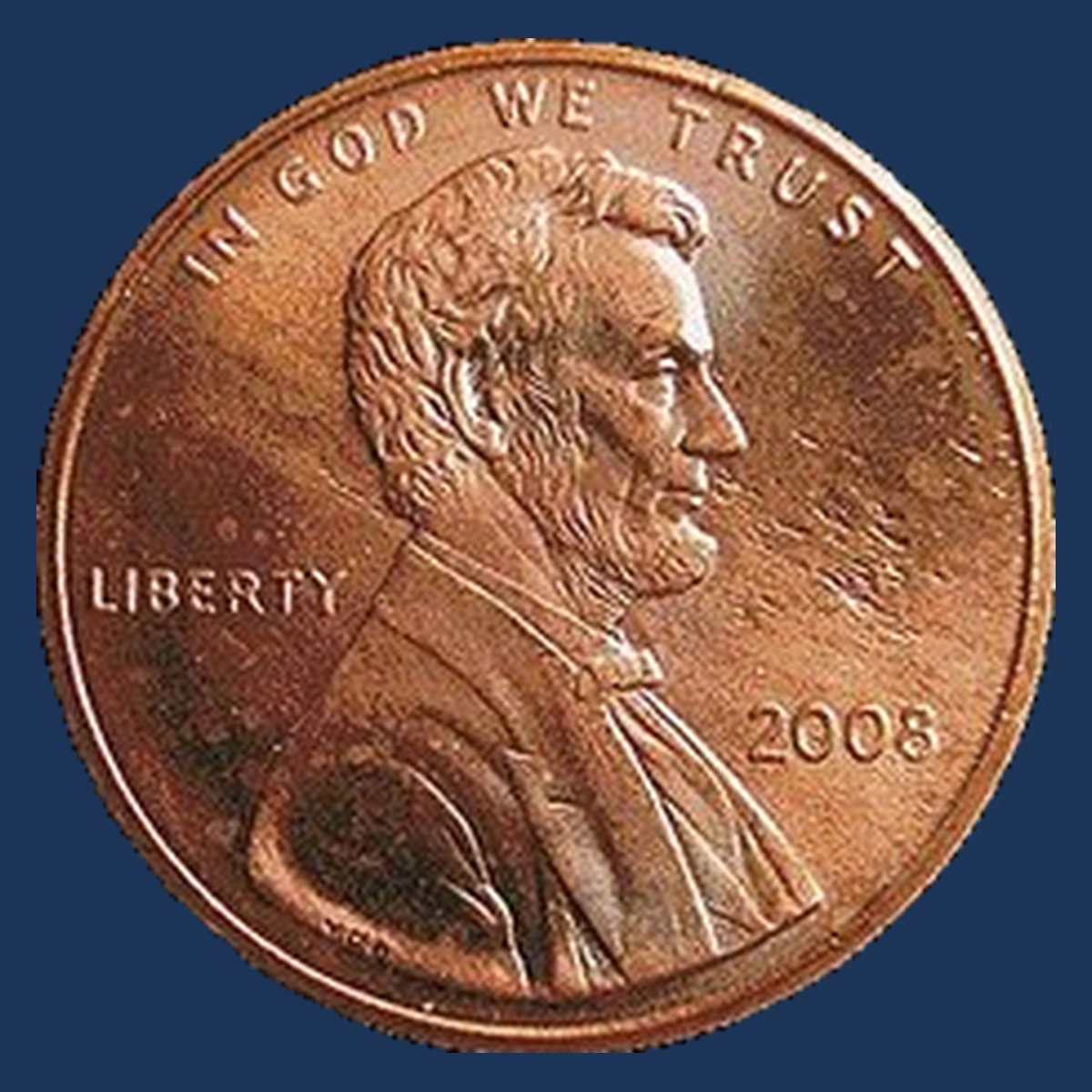
Small pits can cluster beside Lincoln while leaving his raised portrait largely untouched. Mike Diamond described a 2008 cent with this unusual pattern.
The impressions run mainly from upper left to lower right and stop at the portrait’s boundary. He suggested gritty paste on the stamping tool as their cause.
That explanation is a proposed mechanism, not a chemical test of the material. A separate 2008 report describes a line-shaped impression on the back.
Both involve material interrupting a strike. The line example does not establish that any wire remains attached to the finished penny.
Estimated Value
For small confirmed struck-through features, estimate $10–$75. Distinctive groups of impressions or larger clear marks can fit approximately $75–$300.
These are comparison-based estimates for modern cent errors. No sale price is attached to Diamond’s illustrated 2008 coin or the separate line-impression report.
A 2021-D cent struck through grease sold for $84 in September 2025. That different-year result gives scale, but grease-filled detail and the patterned pits do not necessarily attract identical prices.
How to Identify
Look at the boundary of Lincoln’s portrait, not only the depth of each pit. In Diamond’s 2008 example, the affected flat areas end against the raised design.
Use a 10× magnifier to follow the upper-left to lower-right direction. Random corrosion or scattered impact dents need a different explanation.
For the separate back-side line, inspect how the impression interrupts the design. Do not assume it shares the portrait-side pattern or contains retained material.
The ordinary penny is 2.50 g and 19.05 mm with a smooth edge; check using a scale and calipers where accessible. The distinctive first check is the patterned pits stopping at Lincoln’s boundary.
5. 2008 Lincoln Penny Broadstrike (Estimated Up to $350)
A complete Memorial surrounded by extra metal can reveal a broadstrike. The blank spread more widely because the collar did not limit it normally.
The collar is the metal ring around the coin during striking. Without its full restraint, the outside can expand and become thinner.
The 2008 report concerns a Philadelphia coin made for ordinary circulation. Philadelphia also made satin-finish set coins that year, so surface appearance needs the correct comparison.
Smooth edges are normal on both. A broadstrike depends on expanded shape and intact design, not on the absence of edge grooves.
Estimated Value
Use an estimated $20–$350 range for genuine broadstrikes. Slight expansion and worn surfaces fit lower; a larger, attractive spread can support more.
These values compare modern Lincoln cent striking errors. They are not a documented sale of the reported 2008 Philadelphia example.
A well-preserved surface makes the original strike easier to judge. A penny widened later by pressure should not be priced as a broadstrike merely because it measures more than a normal cent.
How to Identify
Place a normal 19.05-mm penny beside the suspected broadstrike. Keep both images at the same scale to avoid a misleading size comparison.
Calipers can record several widths on an accessible coin. A scale reading should remain near 2.50 g if the blank kept its normal metal.
Now follow the date and outside lettering around both faces. The intended design should stay on the coin despite the expanded border.
Under a 10× magnifier, inspect the smooth edge and high points for crushing or tool marks. Satin set surfaces should be compared with satin coins, rather than ordinary circulation strikes.
Complete original design within natural outward spread is the important combination.
6. 2008 Lincoln Penny Cracks, BIE, and Cuds (Estimated Up to $400)
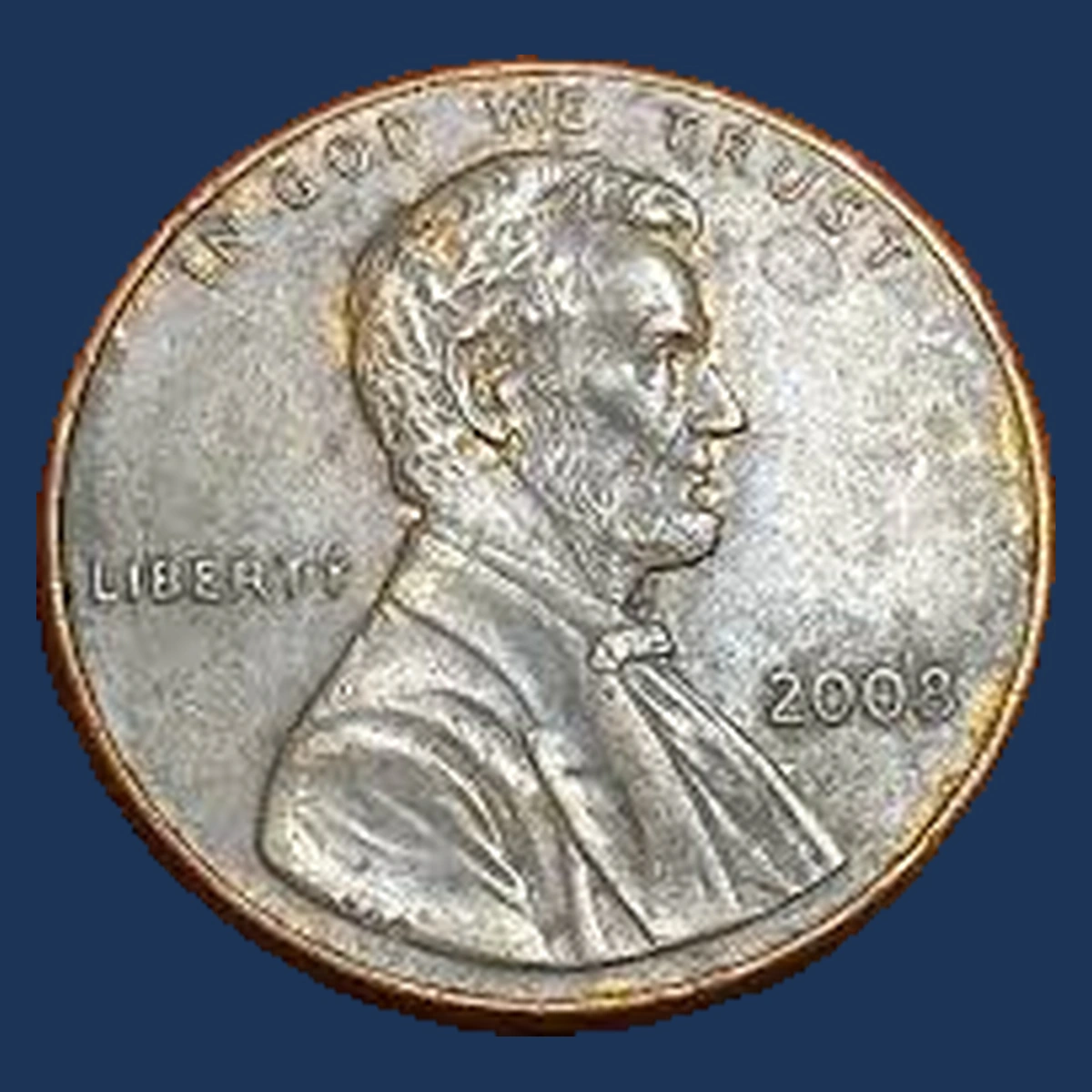
An extra I-shaped bar between B and E in LIBERTY gives the familiar BIE appearance. A small broken area in the stamping tool lets coin metal fill that space.
A narrow crack instead leaves a raised line. Other small missing pieces can produce interior bumps away from LIBERTY.
A cud is different in one important way: its raised patch connects to the rim. It forms where a larger part of the tool is missing.
The reported 2008 group includes these forms without one fixed clock position. A large interior bump alone does not prove a cud.
Estimated Value
For small cracks and BIE chips, allow an estimated $2–$50. Larger rim-connected cuds can fit roughly $50–$400, depending on appearance and preservation.
A later 2021-D cent with a retained cud sold for $186 in September 2025. Its broken tool piece stayed partly in place, so it is a related comparison rather than the same defect.
The upper range should not be applied to every small bump. Clear boundaries and genuine struck metal are essential.
How to Identify
Check the B-to-E gap in LIBERTY first when a seller calls the coin BIE. The I-like feature belongs between those two letters, not between B and I.
Use a 10× magnifier with light from the side. A raised line can record a tool crack, while a cut into the surface suggests a scratch.
For a larger patch, follow its connection to the smooth edge. Look for plating bubbles or added material that might imitate a tool break.
An accessible normal cent should be near 2.50 g and 19.05 mm; use a scale and calipers. The quickest classification comes from the raised feature’s shape and whether it reaches the rim.
7. 2008-D Lincoln Penny Low-Pressure Strike (Estimated Up to $400)
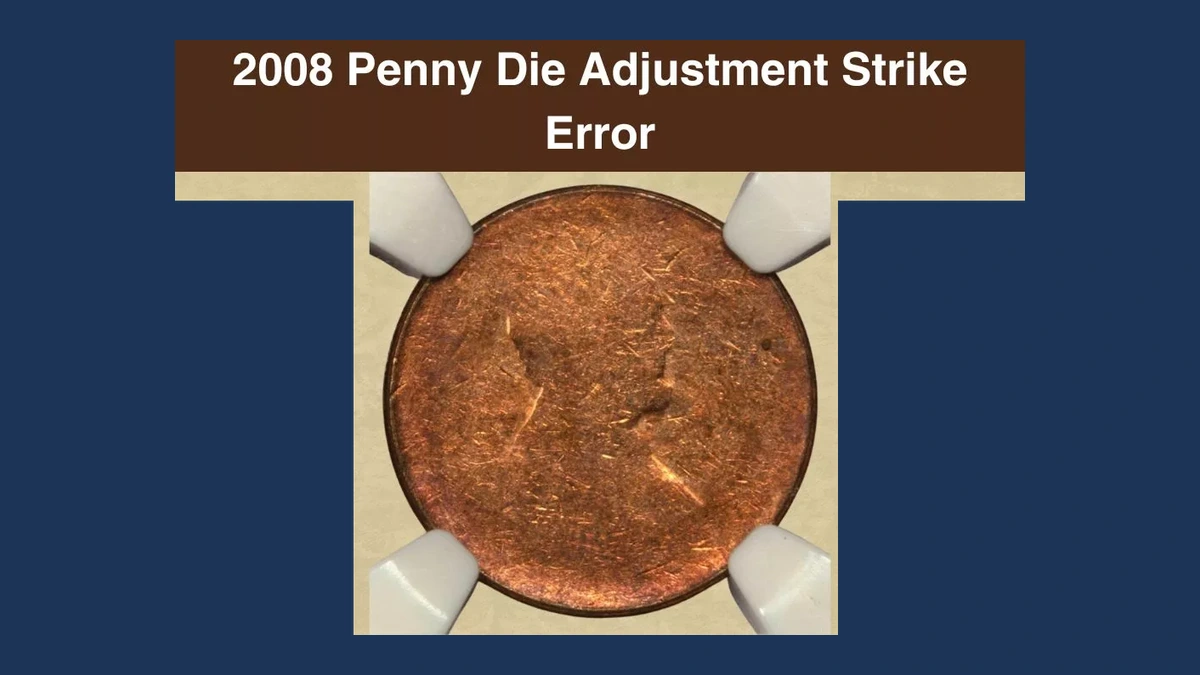
A low-pressure strike can leave much of the intended design faint. The tools did not force the blank’s metal fully into their recessed details.
The reported 2008-D category is sometimes called a die-adjustment strike. That term suggests a reason for low pressure, but appearance alone cannot prove what the operator intended.
Both faces need attention. A local weak letter may instead result from a blocked tool, while broad wear can flatten an ordinary coin later.
Remaining blank texture and shallow original detail can help distinguish a weak strike from years of circulation.
Estimated Value
An identified low-pressure strike can be estimated at $30–$400. Strong overall weakness with a readable date can attract more attention than slightly soft detail.
The range compares modern cent errors of this kind. It is not a verified 2008-D auction result or a price for every coin advertised as a test strike.
Condition still matters. Chemical damage and ordinary wear can also weaken designs, but they do not carry the same manufacturing-error value.
How to Identify
Compare both faces with an unworn 2008-D cent. Note whether weakness affects broad areas or only one clogged-looking letter.
With a 10× magnifier, inspect flat areas and shallow details for surviving blank texture. Smoothly rubbed high points suggest wear instead of incomplete metal movement during striking.
Check weight with a scale against 2.50 g and diameter with calipers against 19.05 mm when safely accessible. Examine the smooth edge for filing or chemical damage.
An unusually low weight deserves another explanation before calling the coin low-pressure. Do not infer that a Mint employee was testing the press from softness alone.
Broad shallow original detail on both faces is the first meaningful feature to compare.
8. 2008 Lincoln Penny Off-Center Strike (Estimated Up to $500)
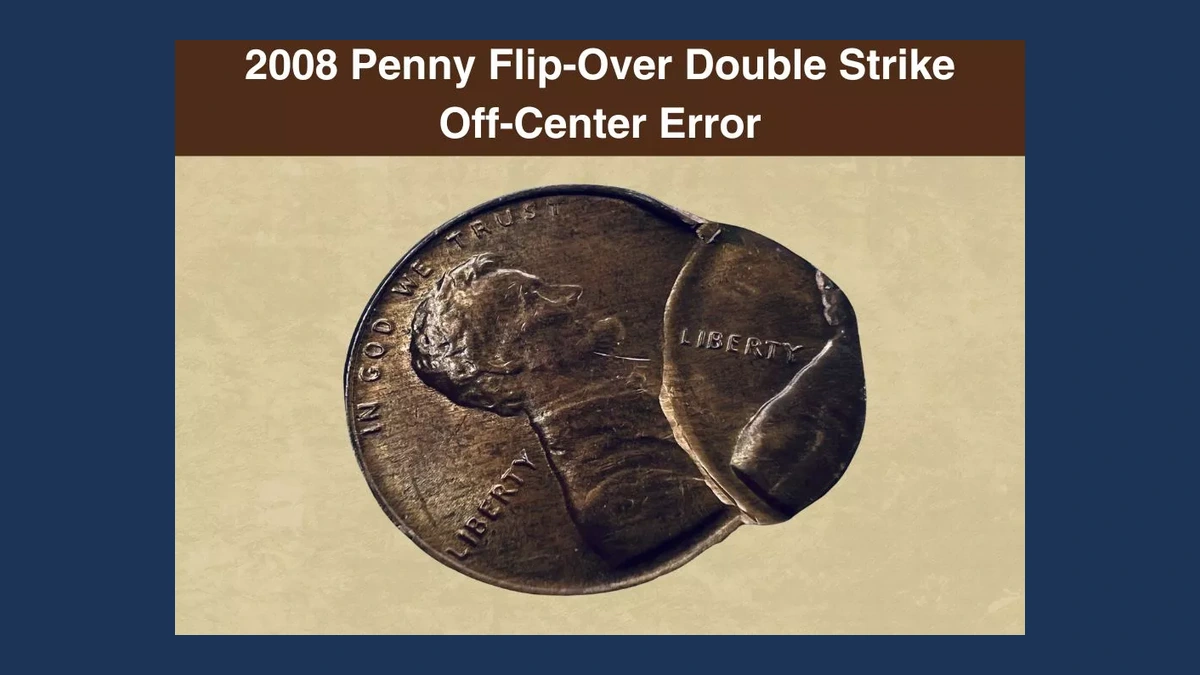
A penny can leave the press with part of its blank still untouched by the design. The blank was sitting off center between the stamping tools.
Part of Lincoln or the Memorial falls outside the available metal. Both faces reflect that same misplaced blank.
For a 2008 identification, the visible date matters. An undated Memorial cent described broadly as 2000 through 2008 does not prove the final year.
The reported category does not establish an exact direction or offset percentage. Those details should be measured from each coin rather than supplied by a generic label.
Estimated Value
Estimate $20–$100 for smaller genuine off-center strikes. More dramatic shifts with a clear 2008 date can fit approximately $100–$500.
The range uses comparable modern Lincoln errors rather than a documented 2008 auction. Keeping the date may be more valuable to a dated collection than losing another large part of the design.
A blank crescent must be original. Ground-away detail or a coin with only one tool shifted does not match the same error.
How to Identify
Read the year before estimating the offset. If 2008 is not visible or otherwise securely established, a Memorial back alone cannot supply that date.
Photograph the full outline on both faces. The empty area should fit corresponding incomplete designs rather than one uneven rim behind a centered opposite face.
A 10× magnifier can expose grinding in a supposedly unstruck area. Inspect the smooth edge for cuts or filing as well.
The normal blank starts at 2.50 g and 19.05 mm; a scale and calipers can check an accessible coin. Allow for its changed shape during striking.
The key view combines a readable date, untouched blank metal, and matching displacement on both faces.
9. 2008 Lincoln Penny Saddle Strike (Estimated Up to $750)
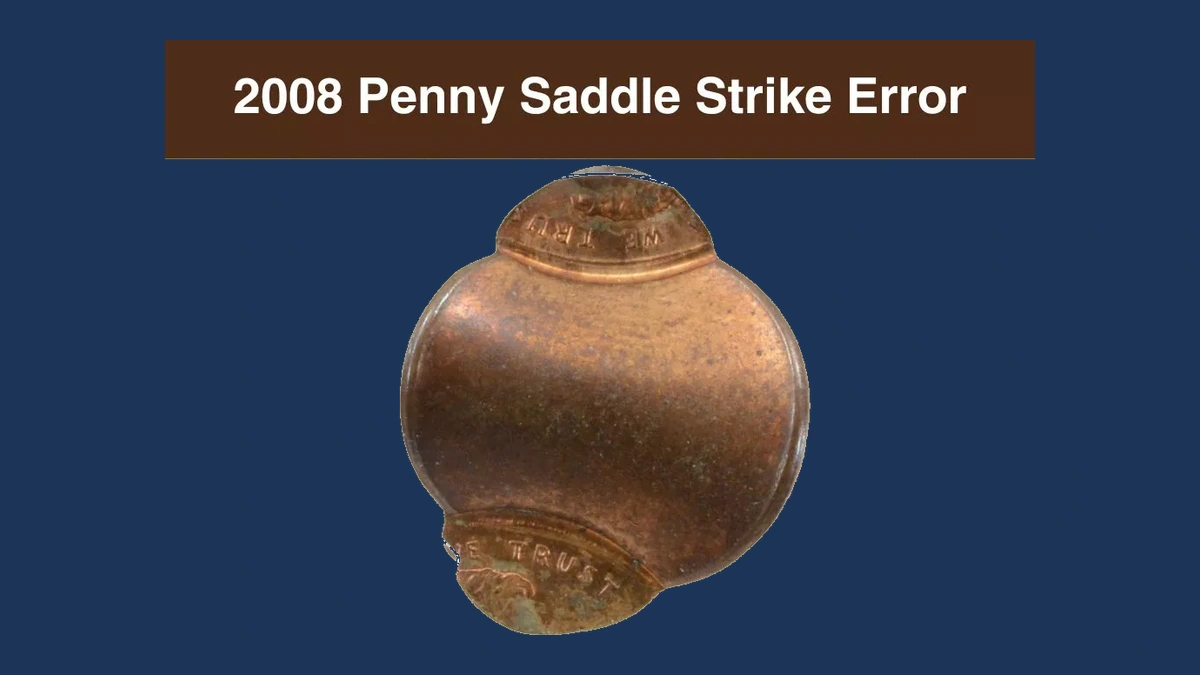
A saddle-struck coin has two separate struck areas with a bent bridge between them. The bridge gives the piece its saddle-like shape.
This unusual result involves neighboring striking positions. It is more specific than an ordinary second strike landing partly over the first.
The 2008 Philadelphia report belongs to this category, but it does not establish a third central impression. Two separated contact areas and the raised middle are the features to investigate.
A penny bent after minting can have a curved center too. The shape must be explained together with the actual struck designs.
Estimated Value
A no-date Lincoln cent described as double-struck and saddle-struck sold for $94 in March 2025. It was graded MS63 Red and Brown: unworn with noticeable marks and partly browned copper.
For a dated 2008 saddle strike, estimate $100–$750, depending on completeness and appearance. The undated comparison does not establish a 2008 price or exact metal identity.
Two clear strike areas and a readable year make the unusual shape easier for collectors to understand.
How to Identify
Do not flatten the bent middle. Its relationship to the two struck areas is central to identifying the error.
View the piece from above and from the side, using a 10× magnifier where designs meet the bridge. Separate original impressions from later bends and plier marks.
An ordinary 2008 blank is 2.50 g and 19.05 mm with a smooth edge. Use a scale when safely accessible; calipers can record the altered outline without squeezing the raised metal.
Look for two distinct strike areas rather than inventing a central third design. The decisive shape is an original bridge rising between two separately struck portions of the same blank.
10. 2008 Lincoln Penny Flipover Double Strike (Estimated Up to $1,000)
Pieces of the Memorial can overlap Lincoln when a coin turns over before receiving another strike. The second blow puts the opposite design onto a face that was already struck.
The reported Philadelphia 2008 example also shifted position between strikes. That movement can leave the two impressions visibly offset.
This differs from a doubled die. Here, the coin receives separate blows instead of copying a repeated detail already present on one tool.
The result should contain recognizable struck designs. A backwards impression squeezed into a finished coin later requires a different explanation.
Estimated Value
For a genuine dated flipover double strike, use an estimated $150–$1,000 range. Clear overlapping designs, a readable year, and attractive surfaces support stronger prices.
A 1979 cent double-struck with its second strike off center sold for $204 in September 2023. That older copper-alloy coin provides a related double-strike comparison, not a flipover identification for 2008.
The 2008 estimate depends on its own design overlap. It is not a reported sale of the original Philadelphia example.
How to Identify
Try to identify both Lincoln and a section of the Memorial on the same face. A second date alone does not establish that the coin turned over.
Under a 10× magnifier, follow the separate struck outlines through their overlap. Check the other face for a consistent sequence of impressions.
A normal blank weighs 2.50 g and is 19.05 mm across, with a smooth edge. Use a scale and calipers if safely accessible, allowing for expansion from repeated blows.
Inspect for crushing caused by coins pressed together outside the Mint. The clearest flipover clue is original portrait and Memorial detail struck onto the same side, rather than a vague doubled edge.
11. 2008-D Lincoln Penny Brockage (Estimated Up to $1,000)
Backward letters pressed below the surface are the first clue to a brockage. A previously struck coin comes between a stamping tool and the next blank.
Its raised design acts like a stamp. The new coin receives a sunken mirror image instead of the normal design in that area.
The 2008-D report identifies the type without fixing which face or how much area is affected. Those features must remain tied to the individual example.
The effect differs from faint clash lines and from raised overlapping designs after a flipover strike. Depth and letter direction are especially useful here.
Estimated Value
An undated Lincoln cent with a full front-design brockage sold for $192 in March 2025. Its MS62 Brown grade describes an unworn coin with noticeable marks and brown surfaces.
Estimate $100–$1,000 for a genuine dated 2008-D brockage, with coverage and clarity influencing price. The older undated comparison is not a sale of this year.
Heritage’s March 2025 archive also records the separate $94 saddle-strike comparison used above.
How to Identify
Find a letter that reads backward, then check whether it sinks into the surface. A 10× magnifier and side lighting make both observations easier.
Inspect the normal design on the opposite face and keep the readable date and D mintmark associated with the same coin. Do not infer unseen coverage from another year’s picture.
For an accessible penny, a scale and calipers provide the usual 2.50 g and 19.05 mm checks. Study the smooth edge for squeezing or later impacts.
Two coins pressed together can imitate a backward impression, so professional examination matters. A mirror-image design impressed during the original strike is the defining feature, not simply unusual lettering.
12. 2008 Lincoln Penny Reported Wrong-Blank Error (Estimated Up to $2,000)
A cent made on the wrong blank can have an unusual size or metal composition. Some 2008 accounts go further and describe a British pound blank.
That foreign-blank identity is not established by an independently confirmed specimen here. A larger or differently colored penny should not be assigned to Britain on appearance alone.
The basic error requires a genuine U.S. cent design struck on metal intended for another coin. A normal penny with stripped copper exposes gray zinc instead.
Identifying the blank is therefore part of identifying the error. The country cannot be filled in from the nickname.
Estimated Value
Use a conditional estimated range of $300–$2,000 for an authenticated 2008 wrong-blank cent after its metal is identified. This is not a confirmed British-pound-blank price.
A 1981-D cent on a clad dime blank sold for $372 in September 2025. That domestic wrong-blank error has the Memorial design but a different year and known blank.
The comparison illustrates the mechanism. A claimed foreign origin needs its own evidence before it can influence the value of a 2008 coin.
How to Identify
Start with the ordinary cent specifications: 2.50 g, 19.05 mm, and a smooth edge. Record an accessible coin’s weight with a scale and width with calipers.
Inspect the metal at the edge using a 10× magnifier. A thin copper coating over gray zinc is normal construction, even when damage exposes it.
Look for filed borders or chemical roughness that could explain unusual measurements. A grading service can then examine whether the metal matches a genuinely different blank.
The British-pound claim requires that identification, not just a yellow color or large size. A genuine 2008 cent design together with measured, identified wrong metal is the useful confirmation.
Conclusion
The 2008 cent closes the Memorial-back series, and its errors offer more than unusual lettering. Directional pits, overlapping designs, and backward impressions each point to a different event.
Estimated values span $2–$2,000, from minor raised marks to an authenticated wrong blank. Keep the date and both faces visible when making comparisons.
A striking nickname cannot replace the actual shape, surface, or metal that makes the error identifiable.